5 Signs Your Body May Want More Zinc
Zinc is an essential mineral that supports hundreds of processes, from cellular energy production to skin cell turnover. If you've noticed persistent low energy, dull skin, or slow post-workout recovery, suboptimal zinc status may be one piece of the puzzle worth examining.
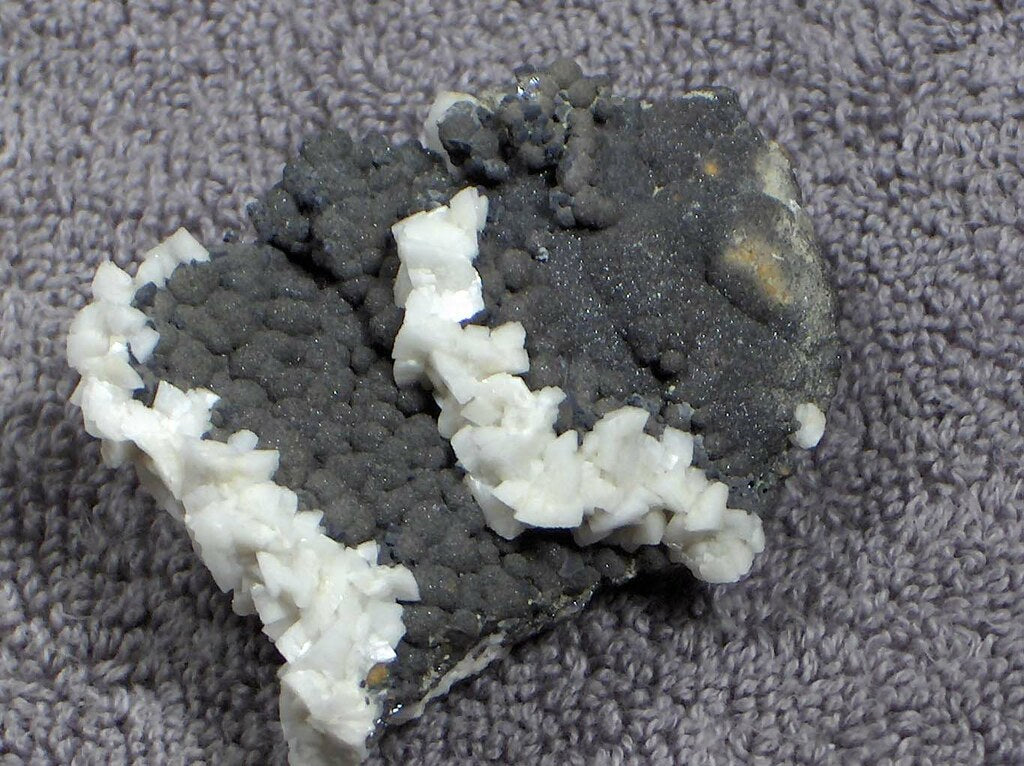
"Saddle Dolomite on Sphalerite" by subarcticmike is licensed under CC BY 2.0. To view a copy of this license, visit https://creativecommons.org/licenses/by/2.0/.
Why Zinc Matters More Than Most People Realize
Zinc sits at the center of more body processes than most people realize. It supports over 300 enzymatic reactions. Every cell in your body needs it. It helps maintain immune function, protein synthesis, DNA replication, and the skin's natural repair cycle. Your body cannot make zinc on its own and stores very little of it, which means consistent daily intake matters more than most nutrients.
Women tend to underestimate how much zinc their lifestyles demand. Stress, intense exercise, and a diet heavy in processed foods can all affect how well your body absorbs and uses the zinc you take in. The most bioavailable forms are zinc bisglycinate and zinc picolinate, both of which absorb significantly better than zinc oxide, the form most often found in low-cost multivitamins.
Customers often ask us why zinc is a key ingredient in MINX CUBES. The short answer: the research on zinc's role in women's vitality is hard to ignore. And in our formula, we chose a chelated form specifically for better absorption and gentler digestion.
Sign 1: Your Energy Feels Flat
Not tired in the "I need more sleep" way. More like a low-grade flatness that doesn't fully lift, even after a solid night's rest. That persistent, uninspired feeling is worth paying attention to.
Zinc supports the conversion of nutrients into usable cellular energy. It helps maintain the function of mitochondria, the structures inside your cells that produce ATP. When zinc is suboptimal, that conversion can become less efficient. You're eating well, sleeping enough, doing the right things. But something still feels off.
Fatigue has many potential causes, and a conversation with your healthcare provider is always a smart first step. But if you've ruled out the obvious suspects and are looking at nutritional factors, zinc status is a reasonable thing to examine. Food sources include oysters (around 74 mg per 3-ounce serving, by far the richest source), red meat, pumpkin seeds, and legumes. Plant-based diets can struggle here. Phytates in grains and legumes bind to zinc and reduce how much your body actually absorbs.
Sign 2: Your Skin Looks Different Than Usual
Dull. Slower to bounce back. A little rough around the edges. If your skin has shifted in ways that don't fully respond to your usual routine, suboptimal zinc status could be a contributing factor.
Zinc supports the body's natural skin cell turnover process. It helps maintain the integrity of the skin barrier and promotes collagen synthesis, which keeps skin looking firm and even-toned. It also plays a role in sebum regulation, which matters for anyone whose skin swings between dry patches and unexpected breakouts.
Your skin is constantly repairing itself at a micro level. Scrapes, sun exposure, everyday friction. All of it requires cellular repair. When zinc is suboptimal, that repair work can feel sluggish.
The inside-out approach to skin health is real. That's exactly why we included a meaningful dose of chelated zinc in MINX CUBES for your daily routine. Chelated forms absorb better and are gentler on the stomach than standard zinc salts.
Sign 3: Workouts Feel Harder to Come Back From
You trained Monday. By Wednesday you still feel it. Not the satisfying kind of soreness. The kind that makes you wonder if something is off.
Recovery speed depends on many things: sleep quality, protein intake, hydration. Zinc fits into this picture too. It supports protein synthesis, the process your muscles use to rebuild after exercise. It also supports a normal inflammatory response in the body, which matters for how quickly you feel ready to move again.
Active women tend to lose more zinc through sweat. A review by the NIH Office of Dietary Supplements notes that athletes may have higher zinc requirements than sedentary individuals. If you're training consistently, your zinc needs are simply higher.
This isn't a call to overload on zinc. The recommended daily amount for adult women is 8 mg, and the tolerable upper intake sits around 40 mg per day. But reaching that 8 mg consistently from food alone, especially during a busy week, is harder than most people assume. That's where a well-formulated daily supplement can help fill the gap.
Sign 4: Your Hair and Nails Feel Fragile
Hair that breaks more than usual. Nails that peel or chip at the edges. These are subtle signals easy to chalk up to stress or seasonal dryness, but nutrition is worth considering.
Zinc supports the production of keratin, the structural protein that forms both hair and nails. It also plays a role in maintaining healthy hair follicle function. When zinc is suboptimal, these structures can reflect it. Nails may develop white spots; hair may feel drier or appear less vibrant than it used to.
The scalp is skin too, and zinc's role in the skin barrier extends there. A dry, flaky scalp that doesn't respond well to shampoo changes is sometimes linked to nutritional gaps rather than a product issue.
Hair and nail changes are slow-moving signs. They don't appear overnight. They don't resolve overnight either. If you start supporting your zinc levels consistently, give it at least 8 to 12 weeks before evaluating results. That's roughly how long a full nail growth cycle takes, and hair has its own schedule.
Sign 5: Food Doesn't Taste the Way It Used To
Food just doesn't taste as good as it used to. This is one of the least obvious signs people connect with zinc, but it has real backing behind it.
Zinc is required for the production of gustin, a protein that helps maintain taste bud function. Even mild reductions in zinc status have been associated with shifts in taste perception. Food can start to taste blander, less vibrant. Appetite can dip as a result, which then affects overall nutrient intake and potentially compounds other signs on this list.
This tends to be subtle. Most people don't say "I've lost my sense of taste." They say food feels less interesting lately, or they're eating the same things out of habit rather than actual appetite. Smell is closely linked to taste, and zinc supports normal olfactory function too. If both taste and smell feel a little muted lately, it's worth raising with your healthcare provider.
How to Support Your Zinc Levels
Zinc is available from food, and a varied diet with animal proteins provides a solid baseline. Oysters are exceptional. Beef, crab, pumpkin seeds, chickpeas, and cashews all contribute meaningfully. Start there.
The gap often comes from absorption. Zinc competes with iron and calcium for absorption pathways. Phytates in whole grains and legumes bind to zinc and reduce uptake. Everyday stress and consistent exercise influence zinc status over time too. Getting to 8 mg reliably from food alone, especially on plant-forward eating patterns, takes real effort.
In our formula, we use a chelated form of zinc specifically because chelation protects the mineral from absorption-blocking compounds and increases how much actually reaches your cells. A lower dose does more.
If you're recognizing two or more signs from this list, a conversation with your healthcare provider is the right starting point. Blood zinc levels can be tested, though they don't always capture full tissue zinc status. For daily nutritional support, a consistent and bioavailable supplement makes a strong foundation to build on.
Frequently asked questions
How much zinc do women need each day?
The recommended dietary allowance for adult women is 8 mg per day, rising to 11-12 mg during pregnancy and breastfeeding. Many women fall short of this through diet alone, particularly those following plant-based eating patterns where phytates reduce zinc absorption.
What makes chelated zinc different from regular zinc?
Chelated zinc, such as zinc bisglycinate or zinc picolinate, is bound to amino acids that protect it through digestion. It absorbs more efficiently than zinc oxide or zinc sulfate, requires a lower dose to deliver the same effect, and tends to be easier on the stomach.
Can I get enough zinc from food alone?
Oysters, red meat, pumpkin seeds, and cashews are strong sources. That said, how much zinc you actually absorb depends on the rest of your meal. Phytates in grains and legumes bind to zinc and reduce uptake significantly, so plant-forward diets require closer attention to zinc intake.
How long before a zinc supplement makes a noticeable difference?
Changes in energy or taste perception may become noticeable within a few weeks of consistent daily use. Skin and hair changes take longer, often 8-12 weeks, because those tissues turn over slowly. Consistency over time matters far more than the size of any single dose.
Is there such a thing as too much zinc?
Yes. The tolerable upper intake level for adult women is 40 mg per day. Long-term intake above that level can interfere with copper absorption and may affect the body's ability to maintain immune function already within a normal range. A well-formulated supplement stays well within a sensible daily amount.
These statements have not been evaluated by the Food and Drug Administration. This product is not intended to diagnose, treat, cure, or prevent any disease.
Written by The Minx Editorial, Women's Wellness Editor.