
Fenugreek for Women: Benefits and What to Expect
Fenugreek is a plant-based ingredient rich in steroidal saponins that may help support estrogen and free testosterone levels already within a normal range. For women, that often translates to more comfort around the cycle and a stronger sense of desire, with most studies reporting meaningful results after four to twelve weeks of consistent daily use.
What Fenugreek Actually Is
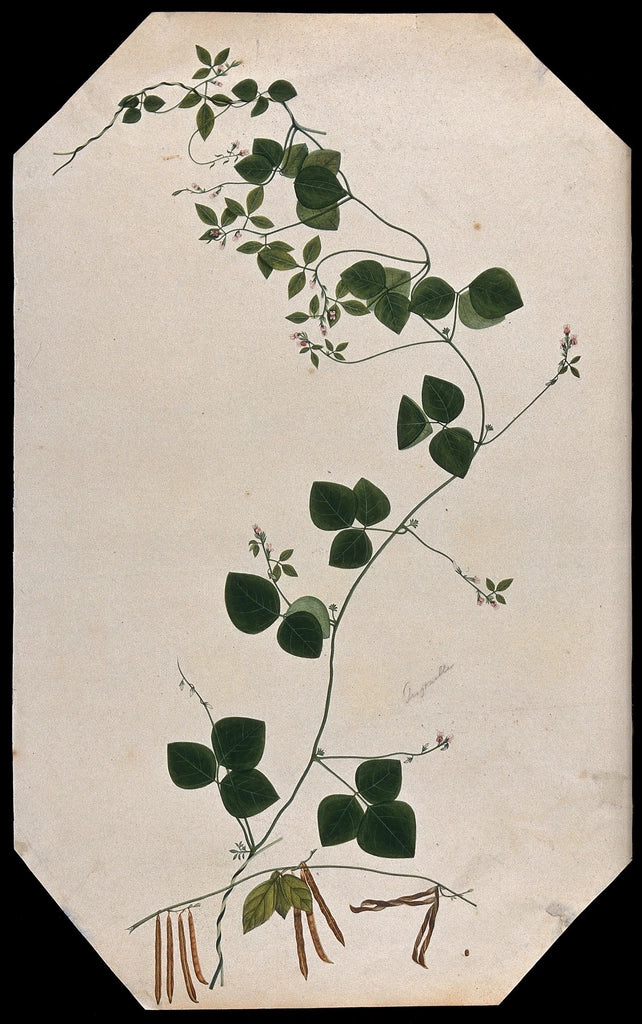
Fenugreek (Trigonella foenum-graecum) is a small leguminous plant with a long and well-documented history in traditional medicine. Native to the Mediterranean, the Middle East, and South Asia, it has been used in Ayurvedic practice for over two thousand years, mostly to support digestion and nursing mothers. Today, it shows up in a very different conversation: women's hormonal wellness.
The seeds are what matter most for supplementation. They smell faintly of maple syrup. That is not a coincidence: both fenugreek and maple syrup contain a compound called sotolon. It passes through the body harmlessly, but it can give your sweat a mildly sweet scent while you are supplementing. Unusual. Not a problem.
Interest in fenugreek among women in their thirties and forties has grown steadily over the past decade. The reasons are specific. The plant's seed extract contains steroidal saponins that interact with the body's hormonal pathways. That, more than anything else, is what has put fenugreek on the research radar for women's intimate wellness.
The Saponins: What Makes Fenugreek Unique
Not all plant compounds are created equal. Fenugreek's primary bioactives are a group of steroidal saponins, particularly furostanol saponins, with protodioscin as the most studied individual compound. These are not stimulants. They do not directly introduce hormones into the body. What they appear to do is interact with pathways that help maintain sex hormone levels already within a normal range.
The distinction matters. "Phytoestrogenic" is a term applied loosely to many plants, but fenugreek's mechanism may also involve supporting free testosterone: the fraction of testosterone not bound to proteins and therefore available for use by the body. A 2011 study published in Phytotherapy Research used a standardized fenugreek extract in healthy premenopausal women and found improvements on a validated sexual function scale after eight weeks.
Standardization is the key word here. Raw fenugreek seeds contain some saponins but in highly variable concentrations. A standardized extract specifies the percentage of active saponins, usually 40 to 50%, so every dose delivers a consistent amount of the relevant compounds. If a product does not list standardization on the label, you are guessing at your dosage in a way that makes outcomes hard to predict.
Fenugreek and Hormonal Comfort Across Life Stages
Women often first hear about fenugreek during perimenopause, when shifting estrogen levels can affect mood, sleep quality, and libido. The connection makes sense. Fenugreek's phytoestrogenic compounds interact gently with estrogen receptors, and the saponins may help support estrogen activity already within a normal range without introducing synthetic hormones.
Younger women use it too. A 2016 study in the Journal of the International Society of Sports Nutrition examined free testosterone in premenopausal women taking a standardized fenugreek extract over eight weeks. Results suggested the extract may help maintain free testosterone levels already within a normal range, with women in the study reporting improvements in sexual function and overall well-being scores.
That nuance matters. Fenugreek is not a hormone. It does not replace estrogen or testosterone. It works through the body's own regulatory systems, which is precisely why many women see it as a thoughtful first step rather than a dramatic intervention.
Desire, Drive, and What Women Actually Notice
Customers often ask us what to expect, and specifically when. Honest answer: most women reporting meaningful results in the clinical literature were using fenugreek for four to twelve weeks consistently. This is not a supplement you take once and feel by Tuesday. It is more like adjusting a slow dial.
The effects women report, both in research and in reviews we see, cluster around a few themes. A noticeable shift in sensual interest. More physical ease around the cycle. A greater sense of being present and engaged in intimate moments. None of those are clinical claims. They are what women say, and they are consistent enough across the data to be worth paying attention to.
Supporting desire is a legitimate wellness goal. It belongs in the same category as supporting sleep quality or a calm stress response. Fenugreek earns its place in that conversation because the research is specific: it targets the hormonal markers most associated with desire in women, free testosterone and estrogen, rather than acting as a general stimulant or relaxant.
Forms, Dosing, and What to Actually Look For
There is fenugreek the cooking spice and fenugreek the supplement. They are not the same thing, and the difference is dose.
Culinary fenugreek seeds taste great and contain a modest amount of bioactive saponins. But the concentrations relevant to women's wellness research come from standardized extracts, not sprinkled seeds. Most clinical studies have used doses in the range of 300 to 600 mg per day of a standardized extract, typically standardized to 40 to 50% furostanol saponins.
Capsules are the most common format. They work. But adherence is the biggest predictor of any supplement doing its job, and a product you enjoy taking is one you will actually take. In our formula, we specifically chose an extract standardized to an efficacious saponin level in a soft chew format that does not taste like a pharmacy. The right fenugreek supplement for women is one that fits your actual routine, not one you have to remind yourself to take every day.
Third-party testing is non-negotiable for this ingredient. Fenugreek varies considerably in quality by source, and independent lab verification confirms that what is on the label is in the product.
Setting Realistic Expectations
Fenugreek is not going to rearrange your life in a week. No supplement does. What it can do is provide consistent, natural support for hormonal comfort and desire over time, as part of a broader approach to intimate wellness.
Set a four-week minimum before you evaluate. Hormonal and desire-related shifts tend to be gradual and easy to miss. A simple weekly check-in with yourself, even just a short note on your phone, helps you see changes that might otherwise blend into the background of daily life.
One practical note: some women find taking fenugreek with food improves how they feel on it. The seeds are high in soluble fiber, and even in extract form, pairing it with a meal seems to reduce any initial digestive adjustment. Usually mild. Usually short-lived. Four weeks of consistency is a fair test, and most women who give it that window report something worth continuing.
Who Should Check With Their Doctor First
Fenugreek is considered generally well-tolerated by healthy adults. That said, a few situations call for a conversation with your healthcare provider before starting.
- Pregnancy: Traditional use exists, but clinical guidance here is to consult first.
- Blood sugar support medications: Fenugreek may help maintain blood glucose levels already within a normal range, which can interact with existing protocols.
- Legume sensitivities: Fenugreek belongs to the Fabaceae family, the same as chickpeas and peanuts. Women with known legume sensitivities should check before supplementing.
- Hormone-sensitive conditions: Because fenugreek may support estrogen activity, anyone managing a condition affected by estrogen should discuss this with their provider.
For most healthy women with no contraindications, fenugreek is a low-risk starting point with a solid body of research behind its use for hormonal comfort and intimate wellness.
Frequently asked questions
How long does fenugreek take to work for women?
Most clinical studies report meaningful results after four to twelve weeks of consistent daily use. Effects on desire and hormonal comfort tend to build gradually rather than appearing overnight. Keeping a simple weekly log helps you notice the shift when it comes.
What is the best dose of fenugreek for women?
Most research on women's wellness uses standardized fenugreek extract at 300 to 600 mg daily, standardized to 40 to 50% furostanol saponins. Raw seeds and culinary quantities do not contain the same concentration of bioactive compounds as a standardized supplement.
Can fenugreek help support libido in women?
Fenugreek may help maintain free testosterone and estrogen levels already within a normal range, both of which play a role in supporting desire. Published studies using standardized extracts in healthy premenopausal and perimenopausal women have noted improvements on validated sexual function scales.
Does fenugreek directly affect hormone levels?
Fenugreek's steroidal saponins interact with the body's hormonal pathways in a way that may help support sex hormone levels already within a normal range. It is not a hormone itself and does not introduce estrogen or testosterone into the body directly.
Is fenugreek safe for women to take long-term?
Available studies suggest fenugreek is well-tolerated when used as directed. If you are pregnant, nursing, managing blood sugar with medications, or have a known legume sensitivity, check with your healthcare provider before adding any new supplement to your routine.
These statements have not been evaluated by the Food and Drug Administration. This product is not intended to diagnose, treat, cure, or prevent any disease.
Written by The Minx Editorial, Women's Wellness Editor.
Read more

Discover how microcirculation supports intimate sensation in men. Learn which nutrients help, and explore Minx Man Cubes for daily circulatory support.

Low energy, poor sleep, and high stress can shift your drive. Learn the signs to watch for and how Minx Cubes can offer daily nutritional support.