
Herbs vs. Vitamins for Intimacy Support: A Guide
Vitamins maintain the biochemical foundations of wellbeing, while herbs interact with specific pathways, including circulation, mood signaling, and stress adaptation, that vitamins simply cannot reach. For intimate wellness, the most effective formulas tend to combine both categories, targeting multiple systems at once rather than placing all the weight on a single nutrient.
Why the Herb vs. Vitamin Distinction Matters
Vitamins are essential micronutrients. Your body cannot synthesize most of them in meaningful quantities, so they arrive through food or supplementation to keep baseline physiology running. Think of them as a maintenance crew: necessary, quiet, and easy to underestimate until something goes missing.
Herbs are different. A botanical is a whole-plant extract containing dozens, sometimes hundreds, of phytochemicals working in concert. Many of those compounds interact with receptors, enzymes, and signaling pathways that vitamins simply do not touch. For intimate wellness, that difference turns out to matter more than most people expect.
This is not an argument against vitamins. Correcting a genuine deficiency can change how someone feels day to day. The point is that vitamins and botanicals are playing different games. Knowing which tool does what helps you make smarter choices about what goes into your body, and it explains why the most thoughtfully formulated intimate-wellness products reach into both categories at once.
What Vitamins Do for Intimate Wellness (and Where They Stop)
Vitamin D receives considerable attention in women's health research, and with good reason. Receptors for it appear throughout reproductive tissue, and maintaining levels already within a normal range supports mood, energy, and hormonal balance. B vitamins, particularly B6 and B12, help maintain healthy nervous system function and energy metabolism, both of which influence how present and connected you feel in intimate moments.
Zinc plays a role in supporting hormone production already within normal ranges. Iron supports healthy oxygen transport and sustained energy. Magnesium contributes to muscle relaxation and sleep quality, two pillars that underlie almost everything else.
The pattern is consistent across all of them: vitamins tend to support the infrastructure of wellbeing. They keep foundations solid. When a deficiency exists, addressing it can feel like a revelation. When levels are already adequate, adding more of a single vitamin rarely produces noticeable change on its own. That ceiling effect is real, and it is why a standard multivitamin has limited impact on intimate wellness for women who are otherwise well-nourished. The foundation is there. Something else is needed to build on top of it.
Where Botanicals Have the Edge
Plants have been used across cultures for centuries to support intimate wellness. Modern research is beginning to catch up with what traditional practitioners observed over generations. Certain herbs and food-derived compounds interact with pathways that vitamins cannot, specifically around blood flow, mood signaling, and the stress response.
L-citrulline is technically an amino acid found naturally in watermelon, but it operates through plant-adjacent logic. In the body, it converts to arginine, which then supports nitric oxide production. Nitric oxide helps blood vessels relax and promotes healthy circulation throughout the body. A study published in the journal Urology examined this pathway and observed meaningful vascular benefits in subjects receiving citrulline supplementation.
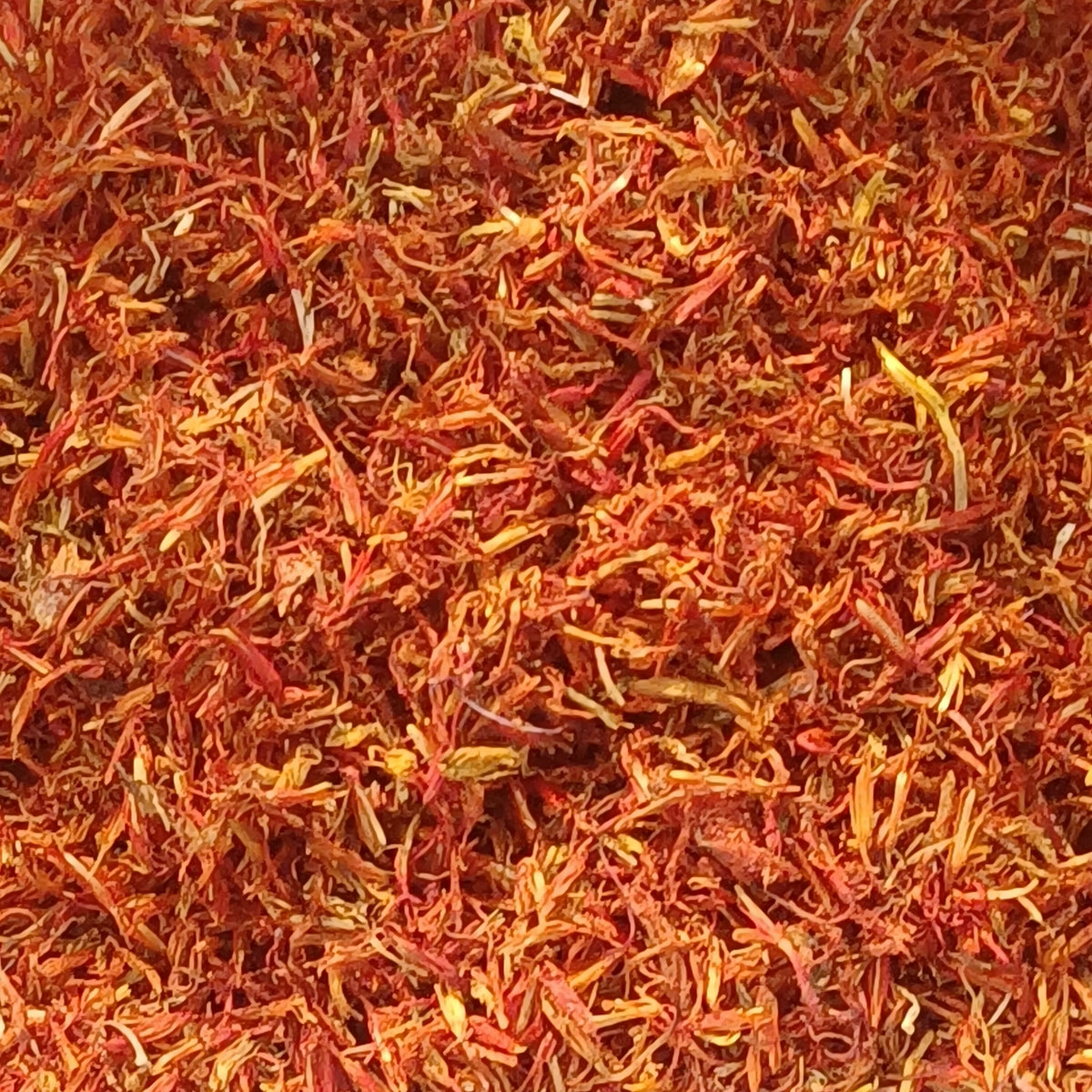
Saffron, one of the most studied botanicals in emotional wellbeing research, has been examined in multiple published trials for its effects on mood, motivation, and engagement. Mucuna pruriens is a legume containing naturally occurring L-DOPA, the direct precursor to dopamine. Panax ginseng is classified as an adaptogen, a category of herbs studied for their ability to help the body maintain equilibrium under physical and psychological stress.
None of these mechanisms are replicated by a multivitamin. A B-complex tablet cannot support nitric oxide production. Vitamin C does not interact with dopamine precursors. Botanicals occupy genuinely different territory, and for intimate wellness in particular, that territory is where a lot of the meaningful action happens.
The Logic Behind Combination Formulas
The most thoughtful intimate-wellness formulas are not either/or. They layer botanicals on top of micronutrient support because the two categories work through distinct, complementary pathways that reinforce rather than duplicate each other.
Consider what happens when L-citrulline is paired with an adaptogen like Panax ginseng. The citrulline promotes nitric oxide and supports healthy circulation. The ginseng helps the body maintain its stress response already within a normal range. A body under chronic stress tends to redirect resources away from reproductive function; that is basic physiology, not speculation. Supporting the stress axis means the circulatory benefits of citrulline are not being quietly undermined on the other side.
Add saffron's mood-supporting properties and mucuna's dopamine-precursor activity, and multiple systems are addressed at once. That layering is the core principle behind combination formulas. Customers often ask us why a single active compound is not enough. The honest answer is that intimate wellness is not a single-pathway problem. It involves mood, circulation, energy, and stress adaptation all at the same time, often interacting with one another. A formula that covers only one of those misses the others entirely.
Beetroot extends the logic further. It is a whole food rich in dietary nitrates, which convert to nitric oxide through a separate route from citrulline. The two pathways are additive, as research summarized by the National Institutes of Health on dietary nitrates and vascular function makes clear. Beetroot also delivers folate, potassium, and manganese, giving it micronutrient value alongside its botanical action. It bridges both worlds in a single ingredient.
How to Read a Label Before You Buy
Not all combination formulas are created equal. A few things worth evaluating before adding any supplement to your routine:
- Full ingredient transparency. Proprietary blends that list "herbal complex 500mg" without breaking out each component make it impossible to evaluate whether meaningful amounts of any given botanical are actually present. Transparency is a basic signal of seriousness.
- Named botanical species. "Ginseng" can refer to several plants with different properties. "Panax ginseng" specifies the most researched variety. "Mucuna pruriens" tells you far more than "velvet bean extract." Species precision on a label reflects precision in formulation.
- Mechanistic diversity. A formula that addresses only circulation, or only mood, is less likely to produce broad support than one covering at least three distinct pathways. Look for evidence that the formulator thought about the whole system, not just a single angle.
- Quality standards. GMP (Good Manufacturing Practice) certification means the manufacturing facility follows documented quality controls covering consistency, cleanliness, and testing. Some brands publish Certificates of Analysis confirming that what is stated on the label is confirmed in the actual batch.
In our formula, every ingredient is listed with its precise botanical name. Nothing is hidden inside a vague proprietary complex. That transparency is a deliberate choice, not an afterthought.
The Five Ingredients and How They Map to the Framework
In concrete terms, a well-designed intimate-wellness supplement addresses at least three distinct mechanisms. Here is how the five core ingredients in the MINX CUBES formula align with the categories described throughout this guide:
- L-citrulline supports nitric oxide production and promotes healthy circulation via the arginine conversion pathway.
- Panax ginseng functions as an adaptogen, helping the body maintain its response to stress already within a normal range.
- Saffron has been studied in published research for mood support and emotional wellbeing, with effects observed across multiple trials.
- Mucuna pruriens provides naturally occurring L-DOPA, a direct dopamine precursor that plays a role in motivation and reward signaling.
- Beetroot adds dietary nitrates for a second nitric oxide pathway and contributes whole-food micronutrients alongside its botanical action.
No single vitamin on that list could replicate even one of those roles. And no single botanical covers all five. The combination is the mechanism. Stacking these five specific ingredients means supporting circulation from two directions, addressing the mood and motivation axis with two separate botanicals, and anchoring the whole formula with an adaptogen that helps the body stay balanced under the stress that would otherwise work against all of it.
Practical Takeaways for Smarter Supplement Choices
Vitamins and herbs each have a place in an intimate-wellness routine. The mistake is treating them as interchangeable, or assuming that a higher vitamin dose can substitute for what a botanical blend does.
Use vitamins to address foundations. If your diet is consistently low in D, B12, zinc, or magnesium, correcting that creates the conditions for everything else to work. Stop there. A high-dose vitamin stack will not produce the kind of multi-pathway support that a thoughtfully formulated botanical blend provides.
Use botanicals for targeted pathway support: circulation, mood signaling, stress adaptation, dopamine precursors. Seek out combination formulas that address multiple pathways rather than relying on a single active compound to carry the whole weight alone.
Short checklist before committing to any formula:
- Full ingredient transparency, no hidden blends
- Specific botanical species named, not generic plant categories
- At least three mechanistic categories covered in the formula
- GMP certification or equivalent quality verification
If this is how you like to approach supplement research, the team behind Minx has built a product around exactly this logic. Explore the full range at the shop.
Frequently asked questions
Do vitamins help with intimate wellness at all?
Yes, primarily by supporting the foundations. Vitamin D, B vitamins, zinc, and magnesium all play roles in energy, mood, and hormonal balance already within normal ranges. When levels are adequate, additional supplementation has limited effect on its own. That is when botanical support becomes the more relevant layer to add.
What makes saffron relevant in an intimate wellness formula?
Saffron contains active compounds including safranal and crocin that have been studied for their effects on mood and emotional wellbeing. Research suggests it may help support serotonin-related signaling pathways. It is one of the more well-documented botanicals for the emotional and relational dimensions of intimate wellness, and its mechanisms are entirely distinct from those of any vitamin.
How does L-citrulline relate to intimate wellness for women?
L-citrulline converts in the body to arginine, which supports nitric oxide synthesis. Nitric oxide promotes relaxation of blood vessel walls and helps maintain healthy blood flow. Because healthy circulation plays a role in physical arousal response, this pathway is considered relevant for intimate wellness support in women, not just men.
Can I get these benefits from food instead of supplements?
Some, yes. Beetroot and watermelon, a natural source of citrulline, both contribute to nitric oxide support through whole food. Saffron is less practical in research-relevant amounts through cooking. Mucuna pruriens and Panax ginseng are not standard parts of Western diets. A well-formulated supplement offers a consistent, practical way to access these botanicals together.
Is it safe to combine herbs and vitamins in one routine?
For most healthy adults, well-formulated supplements using established botanicals at reasonable amounts are broadly considered safe. If you take prescription medications or manage an existing health condition, checking with a healthcare provider before starting any new supplement is standard, sound advice, regardless of whether the formula is herb-based, vitamin-based, or both.
These statements have not been evaluated by the Food and Drug Administration. This product is not intended to diagnose, treat, cure, or prevent any disease.
Written by The Minx Editorial, Women's Wellness Editor.
Read more

Zinc supports testosterone synthesis and sperm integrity in men. Learn how dietary gaps affect vitality and what to do about it. Explore wellness at Minx.

A 14-day protocol for couples: shared sleep habits, botanical gummies, and daily check-ins that support reconnection. Start your couples wellness reset today.