
How L-Arginine Supports Healthy Circulation
L-arginine is an amino acid the body uses to produce nitric oxide, a molecule that signals blood vessels to relax and widen. That widening supports circulation, which helps maintain physical performance, sensation, and nutrient delivery to tissues throughout the body.
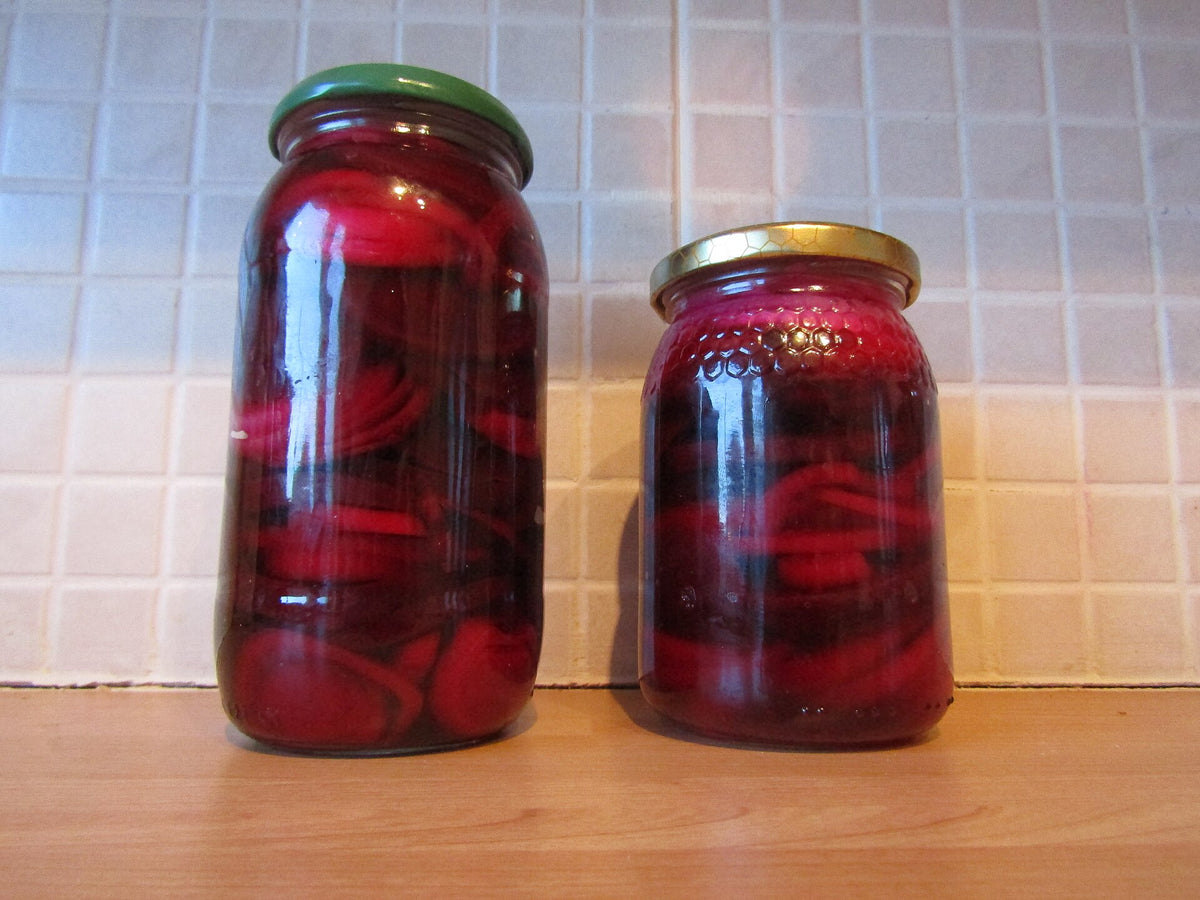
Kolforn (Kolforn) I'd appreciate if you could mail me (Kolforn@gmail.com) if / CC BY-SA 4.0 / via Wikimedia Commons
What L-Arginine Is and Why the Body Needs It
L-arginine is a semi-essential amino acid. The body can synthesize it on its own, but output does not always keep pace with demand, particularly during intense exercise, stress, or periods of rapid growth. That gap is why food sources, and sometimes supplemental forms, attract sustained attention from nutrition researchers.
Structurally, L-arginine carries a guanidinium group on its side chain. That structure makes it the only amino acid that serves as the direct precursor to nitric oxide (NO), a short-lived signaling gas produced in the lining of blood vessels. Without adequate arginine in circulation, the enzyme responsible for making nitric oxide, called endothelial nitric oxide synthase (eNOS), has less substrate to work with.
Normal plasma L-arginine concentrations in healthy adults typically fall between roughly 60 and 150 micromoles per liter. Diet, kidney function, and genetic variation in urea-cycle enzymes all influence where any individual lands within that range. Nitric oxide production is sensitive to substrate availability, especially at the lower end of the scale.
The Nitric Oxide Pathway, Explained Simply
Here is the core mechanism. Inside the endothelium, the thin cellular layer lining every blood vessel, eNOS converts L-arginine into L-citrulline and releases nitric oxide gas as a byproduct. That gas diffuses almost instantly into the adjacent smooth muscle of the vessel wall and signals it to relax. The vessel widens. Blood moves through with less resistance.
That process is called vasodilation. It is not unique to one organ. It happens in vessels throughout the body: in skeletal muscle, in skin, in pelvic tissue. Wherever circulation improves, oxygen and nutrient delivery increase, and metabolic waste removal speeds up too.
Researchers have described NO as one of the most versatile signaling molecules in human physiology. A summary of the eNOS pathway is available at PubMed (PMID 10799497) for anyone who wants to go deeper into the primary literature.
One nuance worth knowing: oral L-arginine is broken down fairly aggressively in the gut and liver before it reaches systemic circulation. Bioavailability studies suggest a meaningful fraction is lost to first-pass metabolism. That is why researchers started looking at whether other compounds can raise systemic arginine levels more reliably. More on that in the next section.
Why Healthy Blood Flow Matters for Performance and Sensation
Circulation support is not just a cardiovascular conversation. It has practical, felt consequences during physical effort and intimate moments alike.
During exercise, skeletal muscles depend on increased local blood flow to match oxygen supply to demand. When nitric oxide-driven vasodilation is well supported, muscles fatigue more slowly and recover faster between efforts. This is part of the reason beet juice, a natural dietary nitrate source, became popular among endurance athletes years before it crossed into mainstream wellness.
Sensation follows similar logic. Nerve-rich tissue depends on good perfusion for responsiveness. Blood vessel dilation in the pelvic region supports engorgement, which is the physical basis of arousal in both sexes. Research published in the NCBI Bookshelf on sexual physiology describes nitric oxide release as a primary initiating event in male erectile tissue and a significant contributor to female clitoral and vaginal perfusion as well.
Circulation is one variable among many. Sleep, stress management, hormonal balance, and cardiovascular fitness all factor in. But as a foundational input, supporting L-arginine levels is a reasonable place for adults interested in maintaining physical vitality already within a normal range to start.
L-Citrulline: A More Efficient Route to L-Arginine
Customers often ask us why some formulas feature L-citrulline rather than L-arginine directly. The answer is absorption.
L-citrulline is another amino acid, found naturally in high concentrations in watermelon and its rind. When consumed, the gut absorbs it efficiently. From there, the kidneys convert it into L-arginine through a series of steps in the urea cycle. The resulting arginine enters systemic circulation at higher concentrations than the same gram dose of oral L-arginine would deliver, because it bypasses first-pass degradation.
A study published in 2010 found that citrulline supplementation raised plasma arginine levels more effectively than arginine itself, gram for gram. This has since made L-citrulline a preferred ingredient in functional formulas aimed at supporting nitric oxide production.
The practical implication is straightforward. If you see L-citrulline on a supplement label, recognize it as working upstream of the same pathway as L-arginine, often more reliably. It is not a different mechanism. It is simply a more bioavailable route to the same destination.
Dietary Sources That Help Maintain L-Arginine Levels
Food is always the first lever. These are the most concentrated natural sources of L-arginine and its precursors:
- Watermelon and watermelon rind are the richest common food sources of L-citrulline. Two cups of watermelon flesh provides roughly 1 to 1.5 grams of citrulline, which the kidneys then convert to arginine.
- Pumpkin seeds contain approximately 6.9 grams of L-arginine per 100 grams by dry weight, making them one of the densest whole-food options available.
- Turkey and chicken breast each supply 2 to 3 grams of arginine per 100 grams of cooked meat.
- Soybeans and lentils are useful plant-based sources, with soybeans containing approximately 3.2 grams per 100 grams.
- Beetroot is primarily valuable as a dietary nitrate, which follows a separate bacterial pathway to nitric oxide through the mouth and stomach, complementing arginine-derived NO rather than replacing it.
- Dark leafy greens like spinach, arugula, and Swiss chard are similarly high in dietary nitrate and support vasodilation through that same complementary mechanism.
Note that cooking temperatures above about 120 degrees Celsius can degrade free amino acids. Lightly cooked or raw preparations tend to preserve more bioactive content from these sources.
Botanicals That Support the Same Vascular Pathways
L-arginine does not work alone. Several botanicals appear to support nitric oxide and vascular function through different mechanisms, and combining them is increasingly common in well-formulated products.
Beetroot extract concentrates the dietary nitrates found in whole beets. The nitrate-to-nitrite-to-NO pathway does not rely on eNOS, which means it can contribute to vasodilation even when the enzymatic route is not operating at full capacity. That complementarity is the main reason beetroot appears alongside citrulline in targeted formulas.
Panax ginseng, one of the most studied adaptogens in botanical medicine, has been examined for its effects on endothelial function. Early research suggests it may support eNOS activity and help maintain vascular tone already within a normal range. The adaptogenic character also matters: ginseng is associated with supporting the body's response to physical stress, which overlaps with exercise performance and recovery.
Saffron and mucuna pruriens bring complementary angles. Saffron's primary bioactives, safranal and crocin, have been studied for their effects on mood and dopaminergic pathways. Mucuna contains naturally occurring L-dopa and is thought to support dopamine levels already within a normal range, with downstream effects on motivation and physical responsiveness. Psychological readiness feeds back into physical experience in ways that circulation alone cannot explain.
The formula behind Minx Man Cubes combines L-citrulline with beetroot, Panax ginseng, saffron, and mucuna, reflecting current thinking that addressing multiple pathways together is more practical than relying on any single compound.
Lifestyle Factors That Amplify What You Eat
Even thoughtful nutrition has limits if surrounding habits undermine nitric oxide production. A few factors matter more than most people realize.
Mouthwash frequency is one that surprises people. Converting dietary nitrate to nitrite requires specific oral bacteria. Using antibacterial mouthwash twice daily meaningfully reduces this conversion, blunting the benefit of beet-derived sources. Rinsing only at night rather than morning and night preserves more of that bacterial activity throughout the day.
Physical exercise directly stimulates eNOS through the mechanical shear stress blood places on vessel walls during movement. Even a brisk 20-minute walk triggers measurable increases in nitric oxide output. Regular aerobic activity is the single most consistently documented lifestyle factor for healthy endothelial function already within a normal range.
Sleep matters more than most people credit it. Growth hormone, released primarily during deep sleep, supports the regeneration of endothelial cells. Consistently short sleep is associated with reduced eNOS expression in animal models, suggesting that recovery is not optional for anyone interested in circulatory support.
Antioxidant intake rounds out the picture. Nitric oxide is highly reactive and quickly scavenged by free radicals. Vitamins C and E, polyphenols from berries and dark chocolate, and compounds like resveratrol help protect NO from rapid breakdown, extending its vasodilatory activity. A varied, colorful diet is simply good vascular policy. Stack these habits with deliberate nutritional choices, and you give your body the inputs it needs to maintain healthy circulation consistently.
Frequently asked questions
Is L-arginine safe to consume every day?
For most healthy adults, L-arginine from food sources is considered safe with normal dietary intake. Supplemental doses examined in research literature range from 3 to 9 grams per day in healthy populations without notable adverse effects in most studies. Anyone managing a health condition or taking prescription medication should consult a healthcare provider before adding a new supplement.
How long before L-arginine has an effect on circulation?
Vasodilation from nitric oxide can occur within 30 to 60 minutes of consuming arginine or citrulline. Sustained improvements in vascular markers, such as blood pressure already within a normal range, tend to appear with consistent intake over several weeks. Single-dose and longer-term adaptation effects are meaningfully different outcomes.
Why do some formulas use L-citrulline instead of L-arginine?
L-citrulline survives gut and liver metabolism more intact and produces higher post-absorption plasma arginine concentrations than an equivalent dose of direct L-arginine in multiple comparative studies. It works upstream of the same nitric oxide pathway, just more reliably. Many formulas now use citrulline as the primary input for this reason.
Can food alone maintain healthy L-arginine levels?
For many people, yes. A diet rich in watermelon, pumpkin seeds, legumes, and dark leafy greens can supply meaningful amounts of L-arginine and its precursors. Active individuals or those with higher physiological demands may find dietary intake insufficient at certain periods, which is where functional foods and well-formulated supplements enter the picture.
Does blood flow support matter equally for women and men?
Yes. The nitric oxide pathway and its role in pelvic blood flow operates in both sexes. Research on sexual physiology confirms that NO-mediated vasodilation supports clitoral and vaginal tissue perfusion as well as male erectile tissue, contributing to arousal and sensation in both cases. Circulation support for intimate wellness is relevant across the board.
These statements have not been evaluated by the Food and Drug Administration. This product is not intended to diagnose, treat, cure, or prevent any disease.
Written by The Minx Editorial, Women's Wellness Editor.
Read more
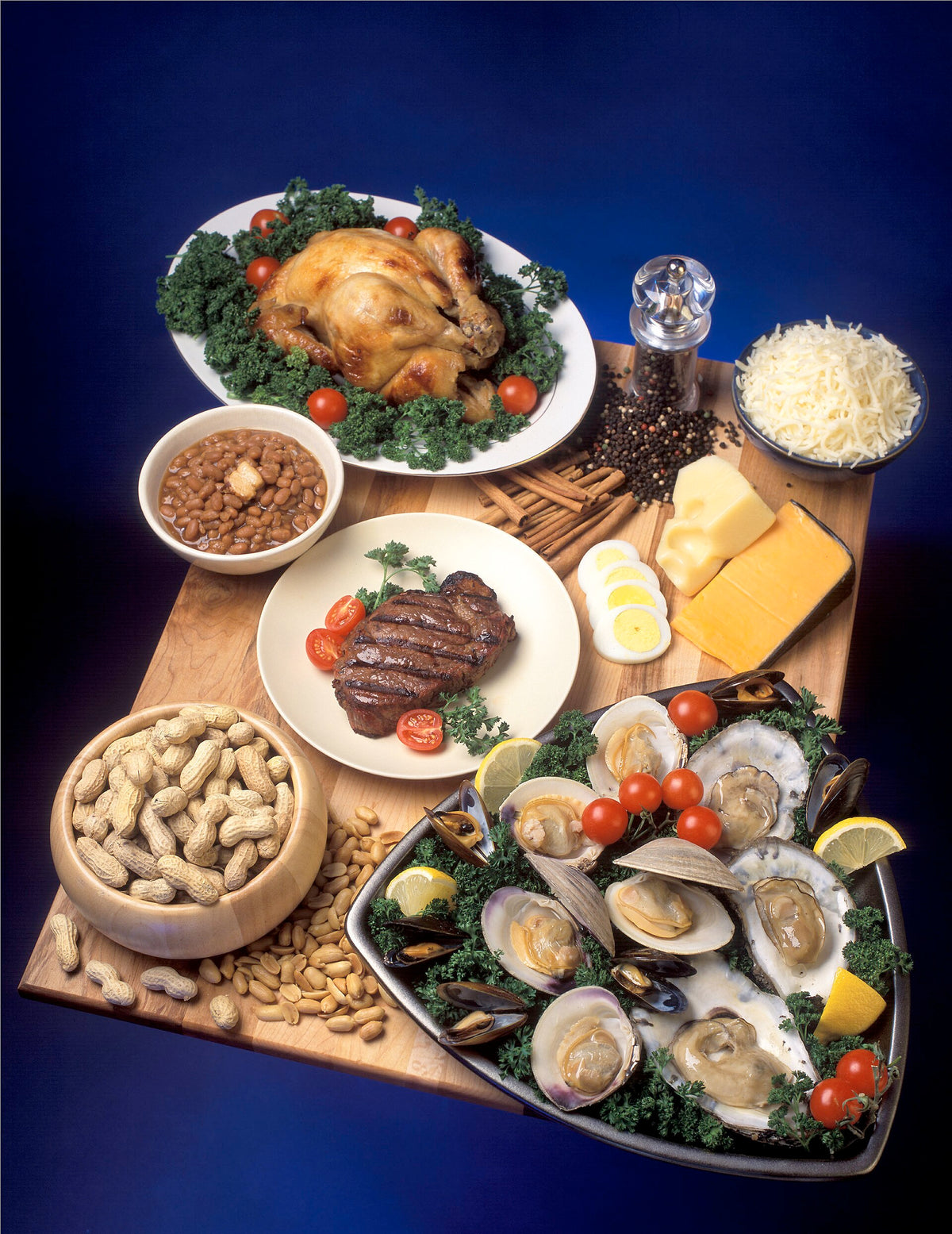
Zinc supports testosterone metabolism and reproductive health markers. Learn dietary vs. supplemental sources, and why this mineral matters for men's vitality.
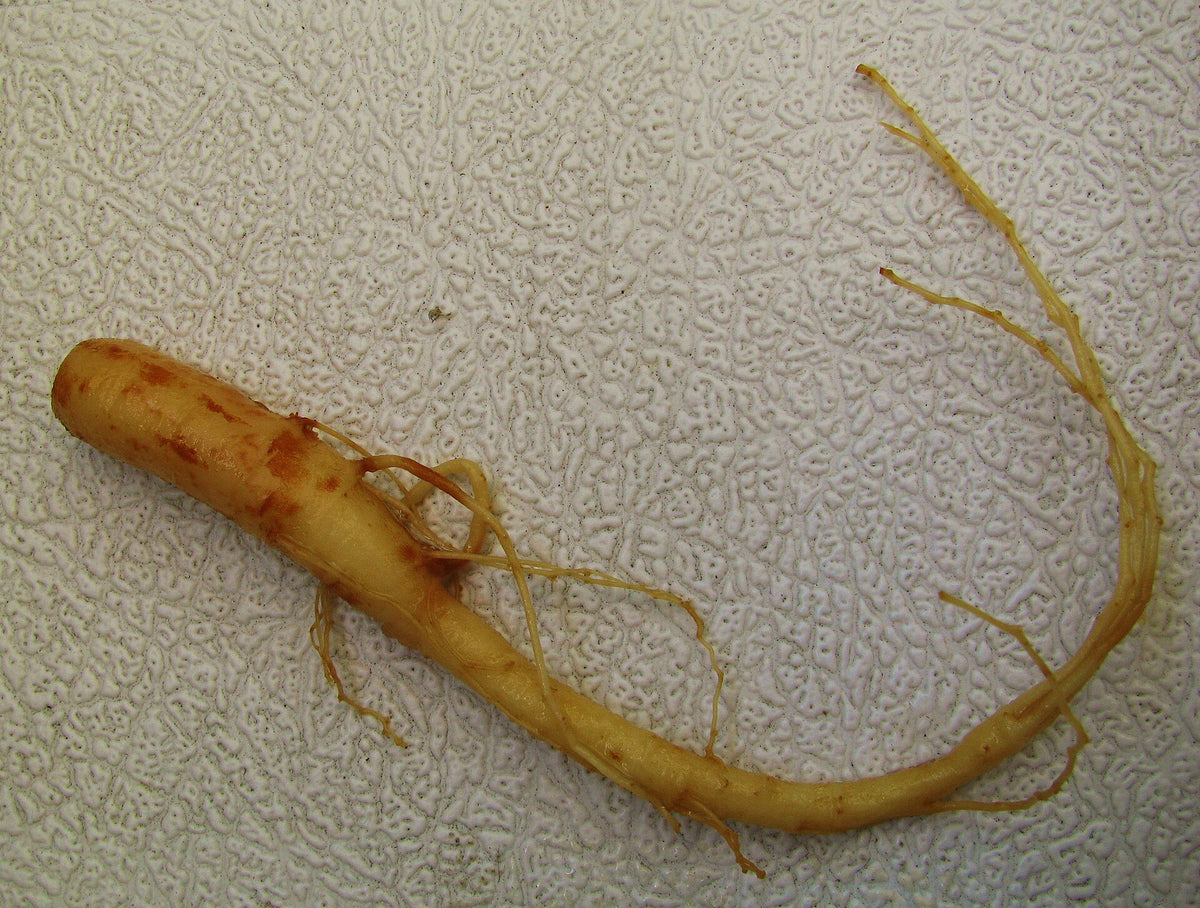
Panax ginseng supports men's energy and endurance through ginsenoside activity. Discover how this adaptogen differs from caffeine and explore Minx wellness.