
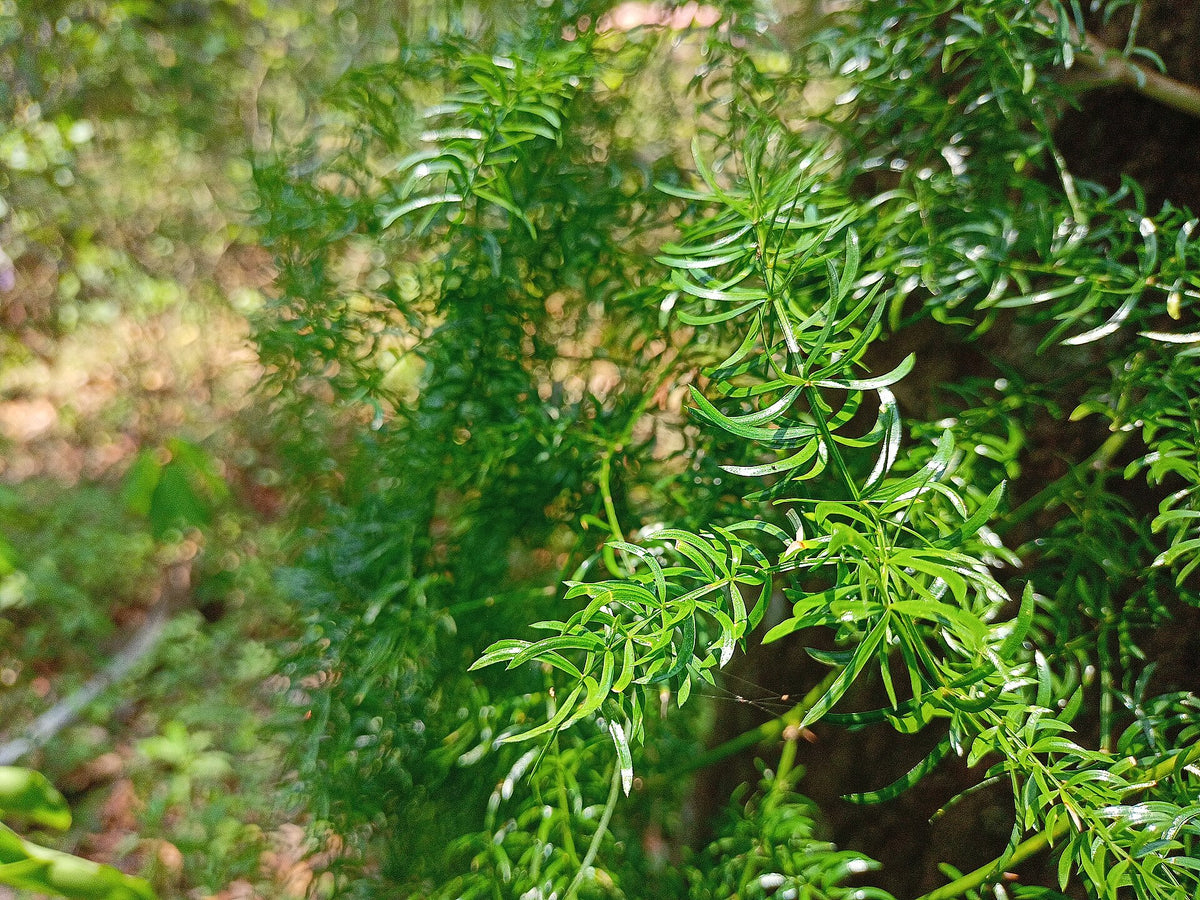
Shatavari: The Ayurvedic Herb Women Are Talking About
Shatavari (Asparagus racemosus) is a climbing plant native to India and the Himalayas, used in Ayurvedic medicine for over 2,000 years. Its root extract is rich in steroidal saponins called shatavarins, which researchers believe support hormonal balance, reproductive vitality, and overall resilience in women across every life stage.
Dr. Chinchu C. / CC BY-SA 4.0 / via Wikimedia Commons
What Is Shatavari?
Shatavari grows as a thorny climbing vine across India, Sri Lanka, and the Himalayan foothills. Its name translates roughly from Sanskrit as "she who possesses a hundred husbands," a phrase that, culturally, signals abundance and vitality rather than anything literal. In Ayurvedic tradition, that name marked it as a woman's lifelong ally.
The roots are the medicine. Long, tuberous, and cream-white, they're harvested from mature plants, dried, and processed into powder or standardized extracts. Ayurvedic practitioners placed shatavari in a category called "rasayana," which refers to rejuvenating formulations meant to promote longevity and sustained vitality. Of all the rasayana herbs, shatavari was considered the primary one for female health.
Its use stretches back at least 2,000 years. Ancient texts including the Charaka Samhita listed it as a foundational herb for supporting female reproductive tissues. That's a long track record. And now, with modern analytical methods, researchers are finally uncovering why it worked.
The Compounds Behind the Reputation
What makes shatavari biologically interesting is its root chemistry. Researchers have identified several groups of active compounds. Steroidal saponins, specifically called shatavarins I through X, dominate the literature. Shatavarin I and shatavarin IV appear most frequently in clinical studies.
Beyond saponins, the root contains meaningful levels of flavonoids, including quercetin and rutin, both recognized for antioxidant activity. Polysaccharides in the root have drawn interest for their potential to support immune function. Isoflavones round out the picture.
The saponins are phytoestrogenic, meaning they interact with estrogen receptor sites in the body. They don't introduce synthetic hormones into your system. The mechanism is subtler: they help the body maintain hormonal levels already within a normal range, particularly during periods of natural fluctuation. That distinction matters, and it's part of why shatavari has a gentler profile than pharmaceutical hormone options.
Hormonal Balance: What the Research Shows
Most women who seek out shatavari are thinking about one thing: hormonal balance. The traditional understanding holds, and the modern research is catching up.
Research published on PubMed, including a 2018 systematic review in Biomedicine & Pharmacotherapy, examined the breadth of clinical and preclinical evidence on Asparagus racemosus and found consistent support for its adaptogenic and endocrine-supportive properties. The review identified its phytoestrogenic saponins as likely mediators of its effects on reproductive tissues.
Separate small studies looked specifically at luteinizing hormone (LH) and follicle-stimulating hormone (FSH), two markers central to the menstrual cycle. Participants who supplemented with shatavari root extract showed support for LH and FSH levels already within a normal range compared to baseline. Early-stage findings, yes. But they align with centuries of traditional use.
The herb also appears to support prolactin levels already within a normal range. Across several biological pathways, the common thread is that shatavari helps the endocrine system maintain its own equilibrium rather than overriding it.
Shatavari Across Life Stages
One thing that distinguishes shatavari from single-purpose supplements is how applicable it is across a woman's entire adult life. Traditional Ayurvedic texts didn't restrict it to one phase. They prescribed it continuously.
During reproductive years, it's most often used to support menstrual comfort and regularity already within a normal range. Some women take it to ease the physical discomforts that arrive with monthly cycles. Others use it to support emotional steadiness during the luteal phase, when progesterone dips and mood can follow.
For nursing mothers, shatavari is one of the most studied galactagogues in Ayurvedic practice. A study published in the Journal of Herbal Medicine found that women who supplemented with shatavari root for 30 days produced significantly more milk than those in the placebo group, while reporting no adverse effects. The proposed mechanism involves prolactin, a hormone central to milk production.
As women approach perimenopause, the phytoestrogens in shatavari may help support comfort and mood steadiness already within a normal range, during a time when estrogen levels shift naturally. It doesn't replace estrogen. It supports the body's own regulatory processes during a natural transition.
The Adaptogenic Side of Shatavari
Shatavari's hormone story is well known. Its adaptogenic profile gets less attention, and that's a gap worth closing.
Adaptogens are botanicals that help the body maintain equilibrium under physical or emotional stress. Shatavari qualifies on multiple criteria. Its polysaccharide fraction has been studied for immune-supportive properties. Its antioxidant flavonoids help manage oxidative stress at a cellular level. And its root compounds appear to support adrenal function in ways that overlap with better-known adaptogens like ashwagandha.
Why does this matter for hormonal health? Because cortisol, the stress hormone, directly competes with progesterone production. When the body is under sustained stress, progesterone suffers first. An herb that helps maintain cortisol already within a normal range therefore supports reproductive hormone balance downstream.
Customers often ask us why MINX CUBES® pairs shatavari with ashwagandha rather than offering shatavari alone. The answer is complementarity. Ashwagandha addresses the adrenal and stress axis more directly. Shatavari addresses the female reproductive axis. Together, they cover more ground than either one does alone, and the overlap in their adaptogenic profiles is additive rather than redundant.
Choosing a Quality Shatavari Supplement
Not all shatavari products are the same. The raw herb varies in potency depending on harvest timing, soil conditions, and processing method. Standardized extracts solve this by guaranteeing a consistent level of active saponins in every dose.
Look for extracts standardized to at least 20% saponins. Doses used in research range from 500 mg to 2,000 mg of root extract per day, with most studies finding meaningful results in the 500-1,000 mg range taken daily for a minimum of 30 days. Below that threshold, it's difficult to assess whether the herb is doing anything.
Other markers to verify before you buy:
- Third-party testing for heavy metals (shatavari roots concentrate minerals from soil)
- Organic certification or traceable sourcing from India or Sri Lanka
- No unnecessary binders, fillers, or artificial coatings
- An oil-based carrier or a clear instruction to take with food, since saponins are fat-soluble
If you're looking for the right daily shatavari supplement for women, those four markers separate a formula worth taking from one worth skipping. The National Center for Complementary and Integrative Health also offers guidance on evaluating Ayurvedic supplements, including what to ask about sourcing and quality testing.
What to Expect and How to Take It
Shatavari is not a quick fix. That's worth saying plainly. Adaptogens build gradually, and shatavari follows that pattern. Most consistent users report noticing shifts in energy, menstrual comfort, and sleep quality already within a normal range after four to eight weeks of daily use.
Take it with food. The fat-soluble nature of shatavarins means they absorb more efficiently alongside dietary fat. Traditional Ayurvedic preparation mixed the powder with warm milk and ghee for exactly this reason. A softgel capsule with an oil carrier achieves the same effect more conveniently.
Consistency matters more than timing. Morning or evening, the key is taking it at the same time each day rather than sporadically. Set it alongside another established habit, whether that's breakfast or your evening wind-down routine.
If you are pregnant, have a hormone-sensitive condition, or take any prescription medications, speak with a healthcare provider before starting shatavari. The herb is well-tolerated in healthy adults at studied doses, but individual context always matters.
Frequently asked questions
Is shatavari safe for long-term use?
Traditional Ayurvedic practice describes shatavari as a rasayana herb, a class taken continuously for long-term vitality. Modern safety assessments have not identified concerns with extended use at typical doses of 500 to 1,000 mg daily. If you have specific health conditions, review any new supplement with your healthcare provider before starting.
Can I take shatavari while breastfeeding?
Shatavari is one of the most historically recommended herbs for nursing mothers in Ayurvedic medicine, with clinical research supporting its role in promoting healthy milk production already within a normal range. That said, if you are nursing, always discuss any new supplement with your healthcare provider before starting.
How is shatavari different from ashwagandha?
Both are Ayurvedic adaptogens, but they target different body systems. Ashwagandha primarily supports the adrenal and stress-response axis. Shatavari is more specifically associated with female reproductive tissues and hormonal balance. They complement each other rather than duplicate effects, which is why quality formulas often combine them.
Will shatavari interact with my hormonal birth control?
No well-documented interaction between shatavari and hormonal contraceptives has been identified in current literature. Because shatavari has phytoestrogenic properties, anyone using hormone-sensitive medications should discuss it with their prescriber before adding it to their routine.
What time of day should I take shatavari?
There's no strong clinical evidence that timing significantly affects outcomes. What matters most is consistency. Take it at the same time each day, with a meal that contains some fat, to support absorption of the fat-soluble saponins. Many women find it easiest to build it into their morning or evening supplement routine.
These statements have not been evaluated by the Food and Drug Administration. This product is not intended to diagnose, treat, cure, or prevent any disease.
Written by The Minx Editorial, Women's Wellness Editor.
Read more
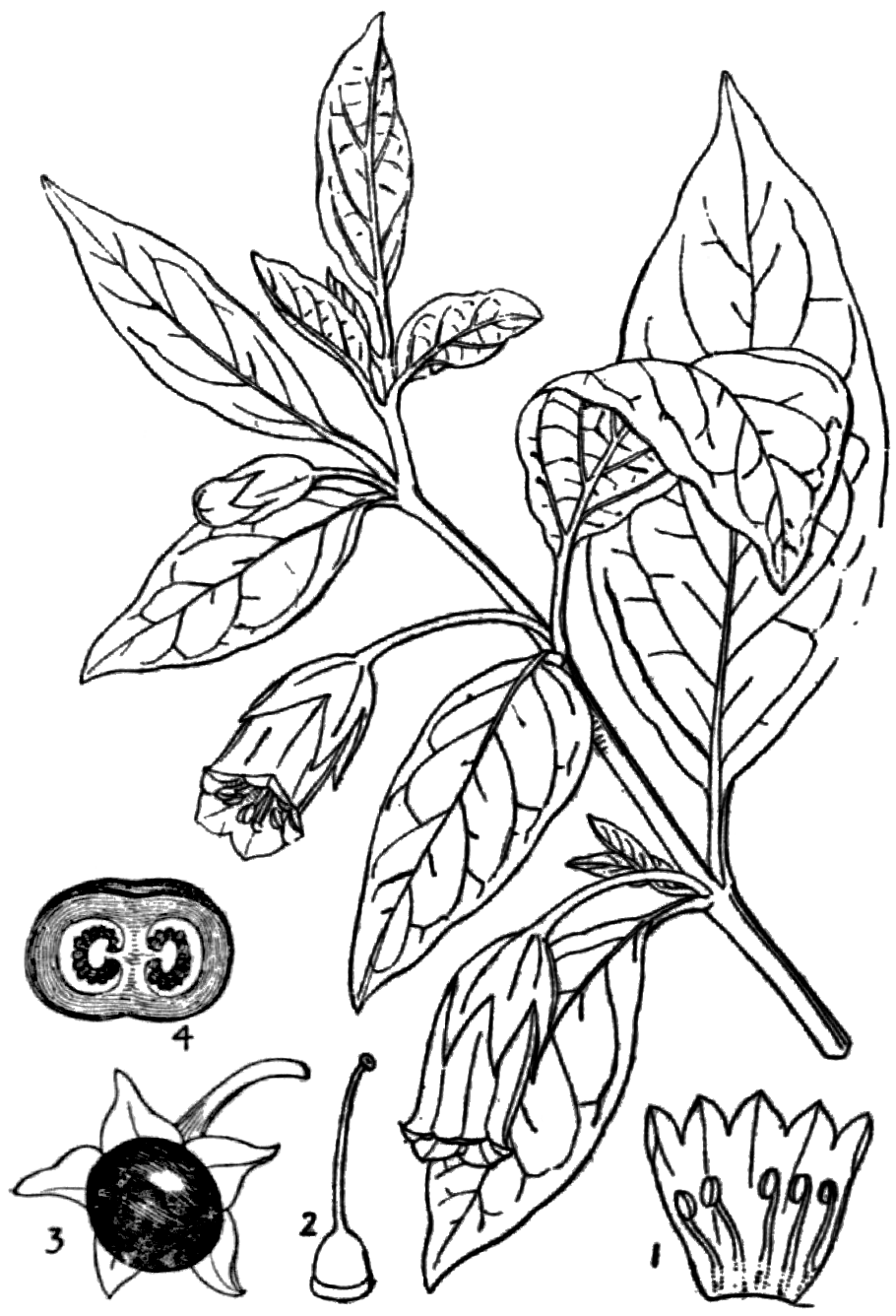
How you time your adaptogens and botanicals matters. Learn morning-vs-evening dosing logic grounded in circadian biology, then find your best formula.
Learn how disrupted sleep raises cortisol and affects female desire. Simple steps to protect your sleep and support intimate energy naturally.