
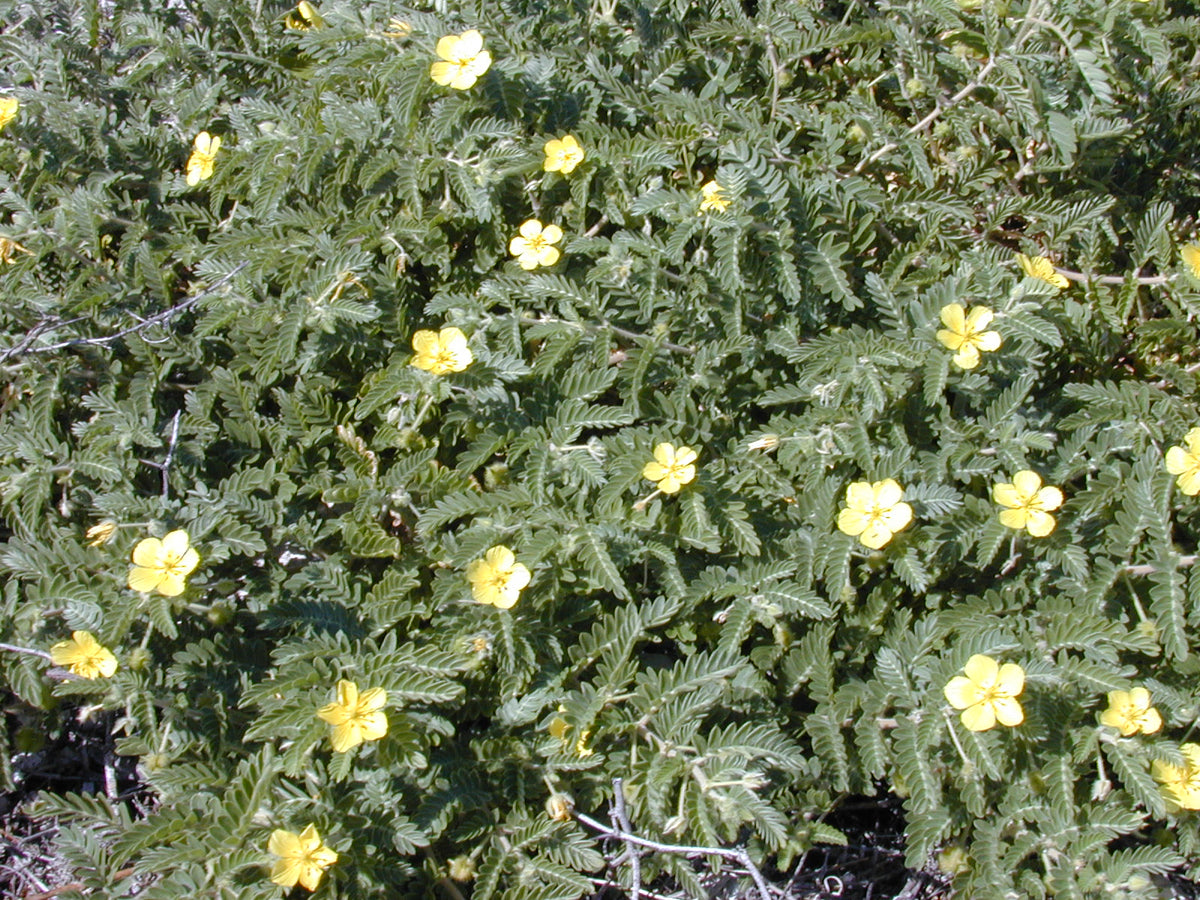
Tribulus Terrestris: What the Research Actually Says
Tribulus terrestris is a flowering plant used in Ayurveda and Traditional Chinese Medicine for over 3,000 years. Research on its effects is genuinely mixed. Some studies point to effects on physical performance and subjective vitality; others find no significant hormone changes in healthy adults. The evidence is promising in some areas and still developing in others.
Forest & Kim Starr / CC BY 3.0 / via Wikimedia Commons
What Is Tribulus Terrestris?
Tribulus terrestris is a low-growing plant found across southern Europe, North Africa, Asia, and parts of Australia. Most people know it by its common name, puncturevine. That name comes from the hard, spiny fruits capable of flattening a bicycle tire. Practical hazard on a garden path. Genuinely interesting compound in a supplement formula.
The plant belongs to the family Zygophyllaceae. Three parts appear in traditional and modern use: the fruit, the leaf, and the root. Each carries a different phytochemical profile. Most standardized supplements today use a fruit extract, though traditional Ayurvedic preparations typically combined all three.
Its recorded use stretches back at least 3,000 years. Ancient Greek physicians wrote about it. Ayurvedic practitioners formulated with it. Healers in Traditional Chinese Medicine placed it in their tonic repertoire. That history does not prove anything by itself. Many plants with long traditions have never held up under modern scrutiny. What it does mean is that humans observed tribulus across large populations, over generations, long enough that patterns of use became codified practice rather than anecdote.
What makes this plant unusual is that its reputation spans both Eastern and Western medical traditions independently. Its modern revival in the West gained momentum after reports from Eastern European athletic circles in the 1970s and 1980s. Those reports were never peer-reviewed. They seeded a marketing narrative that science has been trying, with mixed results, to verify ever since.
Traditional Roots in Ayurveda and TCM
In Ayurveda, tribulus goes by the name Gokshura, which translates roughly to cow's hoof, a reference to the shape of the dried fruit. Classical texts including the Charaka Samhita and the Ashtanga Hridayam classify Gokshura as a Vrishya herb. That category is broadly associated with supporting vitality and physical resilience. It appears in compound formulas such as Gokshuradi Guggulu and in the famous Chyawanprash tonic, which is still produced and used today.
Traditional Ayurvedic practitioners almost never used Gokshura alone. It was typically combined with herbs addressing related pathways. Ashwagandha, shilajit, and safed musli frequently appeared alongside it in formulas designed for sustained energy and stamina. The combinatorial logic of classical Ayurveda assumes that no single plant does everything by itself, and that synergistic pairings matter more than any one ingredient.
In Traditional Chinese Medicine, tribulus is known as Bai Ji Li. TCM texts associate it with the liver and kidney meridians and describe its function as smoothing the flow of Qi, tonifying yang energy, and what practitioners described as brightening the spirit. It was considered a gentle, daily-use tonic rather than an acute therapeutic agent.
Both traditions supports this as a slow, cumulative herb. Results were expected over months of consistent intake. That framing matters when reading modern research, which often runs for just four to twelve weeks. The mismatch between traditional tonic timelines and modern clinical trial durations is one real reason the research on tribulus can be difficult to interpret cleanly.
The Active Compounds: Saponins and Their Significance
The compounds drawing the most scientific attention in tribulus are steroidal saponins, with one called protodioscin receiving the most study. Saponins are glycosides found widely across the plant kingdom. In tribulus, steroidal saponins appear to concentrate most heavily in the fruit and aerial parts of the plant.
Geographic origin matters here more than with most botanical ingredients. Phytochemical analyses have found that tribulus harvested in Bulgaria and Macedonia contains substantially higher protodioscin concentrations than material sourced from India, China, or Vietnam. The difference is not marginal. Some analyses report three to five times the saponin concentration depending on geographic source. A supplement labeled standardized to 40% saponins tells you the saponin percentage but nothing about the protodioscin content or where the raw plant material actually came from.
Beyond protodioscin, researchers have identified other saponins in tribulus including dioscin and gracillin, along with flavonoids, alkaloids, and polysaccharides. Earlier research focused almost entirely on steroidal saponins, but more recent work suggests the plant's effects may involve multiple compound classes acting together rather than a single molecule driving everything.
Storage and processing also affect potency. Protodioscin is sensitive to heat, light, and moisture. That is relevant when evaluating any formula and also helps explain why two studies using ostensibly the same ingredient sometimes produce strikingly different results. What a label says and what the body actually receives are not always the same number.
What Peer-Reviewed Studies Actually Show
The honest answer to what the research shows is that it depends on which outcome you are measuring.
Testosterone is the outcome most people ask about first. The evidence here is modest at best for healthy men with testosterone already within a normal range. A systematic review published in the Journal of Dietary Supplements examined multiple randomized controlled trials and found no statistically significant effect on serum testosterone in healthy adult populations. A separate 2014 trial published in the Journal of Ethnopharmacology found modest effects on luteinizing hormone in some participants, but sample sizes were small and durations were short. Replication has been limited.
Physical performance is a different story. Several studies, including a 2017 randomized controlled trial with male participants, found that tribulus supplementation was associated with improvements in exercise capacity and muscular endurance measures. Effect sizes were moderate rather than dramatic. But they appeared consistently enough across independent studies to be noteworthy.
Subjective vitality outcomes have also shown positive signals in some trials. A 2016 study in the Journal of Sexual Medicine found that participants using tribulus reported higher scores on validated desire measures compared to placebo. Self-report measures carry inherent limitations, but they are also the most direct way to capture how someone actually feels day to day.
Common problems across the literature include small sample sizes, variable product quality, short durations, and heterogeneous study populations. This is not unique to tribulus. It describes most dietary supplement research broadly. The right reading is that certainty should scale with study quality, and most tribulus studies currently sit in the category of promising but not yet definitive.
How We Think About Tribulus at Minx
Customers often ask us whether tribulus is worth including in a formula or whether it is simply a trendy ingredient borrowed from older traditions without real evidence behind it. The honest answer is that it depends entirely on how it is sourced, standardized, and paired with complementary compounds.
A tribulus extract with verified protodioscin content from a high-saponin geographic origin, used consistently over time, is a genuinely different thing from a generic tribulus powder with no standardization information. Most products in this space are the latter. That gap between well-sourced botanical material and commodity ingredient is a significant reason research results vary so widely from study to study.
Tribulus has historically performed better as part of formulas than as a standalone. When considering how to incorporate it into the MINX MAN CUBES blend, the starting question was not simply does tribulus work but rather what specific role tribulus plays within a thoughtfully designed combination aimed at supporting male vitality. That question shaped sourcing decisions and how the broader formula was assembled around it.
Think of it the way traditional practitioners did: a tonic, a support, one well-chosen thread in a larger fabric. Not a silver bullet. Not nothing either.
Reading Tribulus Research With Clear Eyes
Good supplement research literacy does not require a science degree. For tribulus specifically, these are the questions worth asking before accepting any claim at face value:
- Which plant part was used? Fruit, root, and aerial parts carry meaningfully different compound profiles.
- What is the geographic origin of the extract? Bulgarian and Macedonian sourcing generally indicates higher protodioscin content than Asian varieties.
- Does the label specify protodioscin standardization, or only total saponins? Those are not the same number.
- What was the study population? Men with hormones already within a normal range respond differently than clinical populations outside that range.
- How long did the trial run? Four weeks of supplementation is not the same as four months of consistent tonic use.
Tribulus terrestris has earned its place in the botanical record through centuries of consistent traditional use and a growing, if still developing, body of peer-reviewed investigation. The evidence does not support dramatic claims. It does support the idea that this plant promotes vitality and physical resilience for certain people when used consistently, as part of a thoughtfully designed formula.
The research is still actively growing. New trials with better design appear every year. It is one of the more scientifically interesting botanicals in the men's wellness space precisely because the questions are not yet fully settled, and honest inquiry tends to be more useful than confident oversimplification.
Frequently asked questions
Does tribulus terrestris actually raise testosterone levels?
In healthy men with testosterone already within a normal range, most well-designed trials have not found statistically significant increases. Some studies note modest effects on luteinizing hormone in certain populations. Evidence for meaningful testosterone shifts is limited for healthy adults, but outcomes like exercise capacity and subjective vitality have shown more consistent positive signals across multiple independent studies.
What is protodioscin and why does it matter?
Protodioscin is the primary steroidal saponin studied in tribulus terrestris and is considered the compound most associated with its observed effects. Its concentration varies considerably based on where the plant was grown, with Bulgarian and Macedonian material typically richer in protodioscin than Asian varieties. A label listing total saponin percentage does not necessarily reflect meaningful protodioscin content.
How long does tribulus need to be taken before effects are noticeable?
Traditional Ayurvedic and TCM use assumes consistent intake over months, not days or weeks. Most modern clinical trials run four to twelve weeks. Tribulus is classified as a tonic herb in both traditions, meaning its effects are gradual and cumulative rather than acute. Expecting noticeable changes within a week is not consistent with how traditional practitioners used the plant or how most current research is designed.
Is Gokshura the same plant as tribulus terrestris?
Yes. Gokshura is the Sanskrit name for tribulus terrestris as used in Ayurvedic medicine. The name translates roughly to cow's hoof, a reference to the shape of the dried fruit. In Traditional Chinese Medicine, the same species is called Bai Ji Li. These are names for the same botanical, though traditional preparations, plant parts used, and dosing philosophies differ between systems.
Why does tribulus appear in formulas rather than as a standalone supplement?
Traditional practitioners in both Ayurveda and TCM rarely used tribulus alone. It was typically combined with plants addressing complementary aspects of vitality, such as ashwagandha for stress adaptation or shilajit for energy support. The traditional logic reflects an understanding that single ingredients rarely address the full complexity of how the body functions, and that synergistic pairing tends to produce more consistent results than any ingredient in isolation.
These statements have not been evaluated by the Food and Drug Administration. This product is not intended to diagnose, treat, cure, or prevent any disease.
Written by The Minx Editorial, Women's Wellness Editor.
Read more
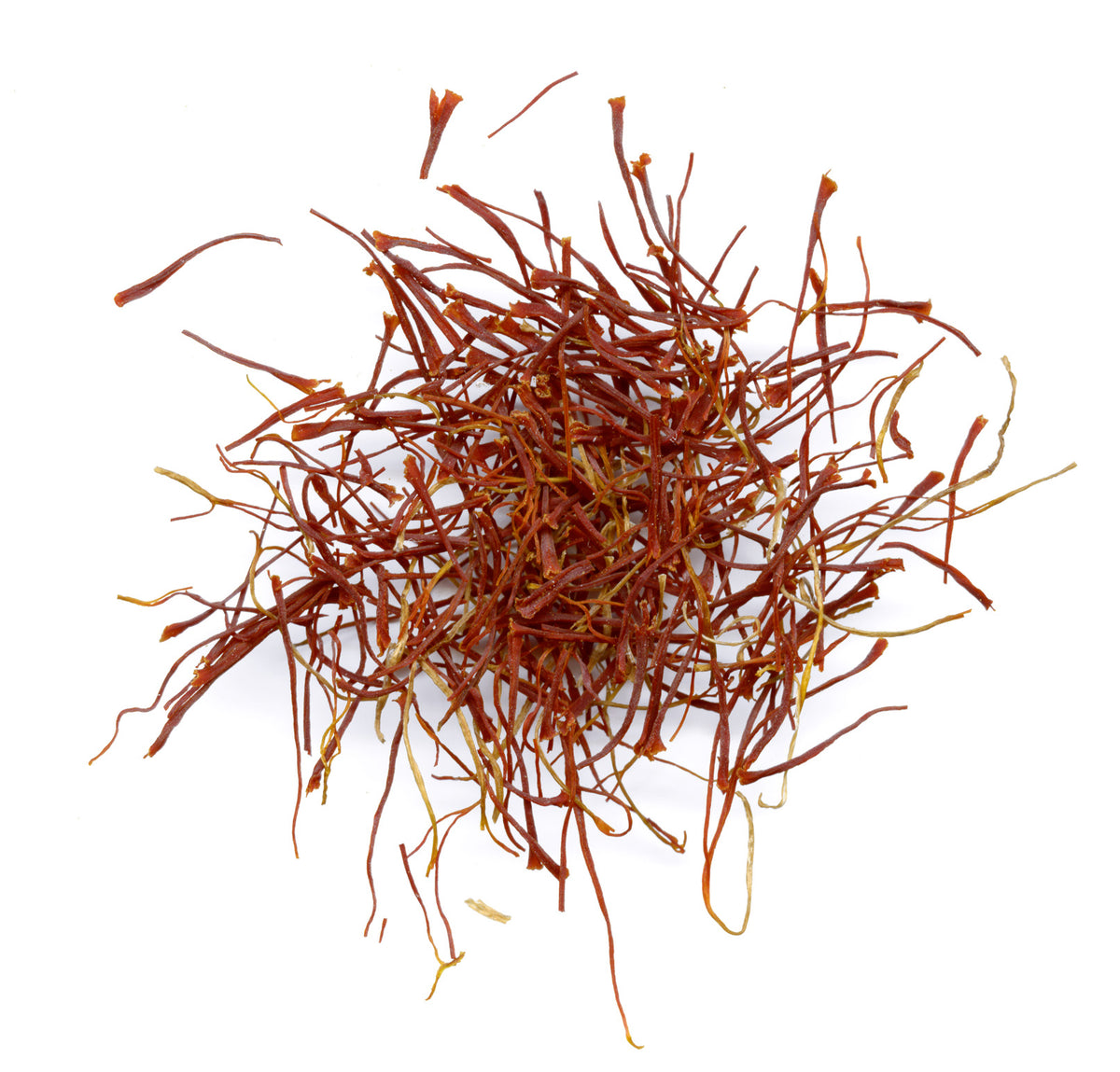
Adaptogens aren't all the same. Learn how they modulate cortisol, support the HPA axis, and what separates real mechanisms from label hype. Discover Minx.
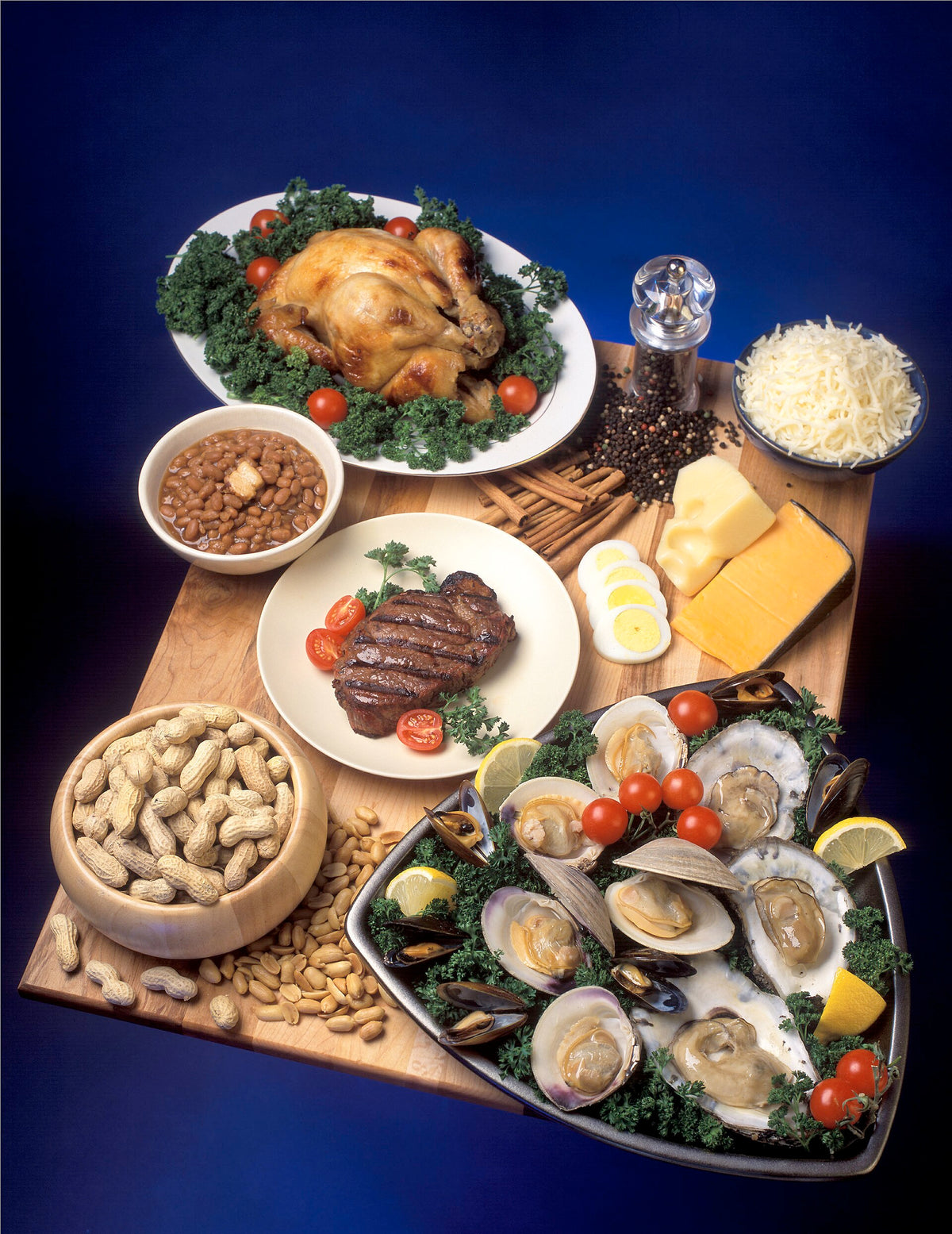
Zinc supports testosterone metabolism and reproductive health markers. Learn dietary vs. supplemental sources, and why this mineral matters for men's vitality.