
Zinc and Men's Vitality: What the Research Shows
Zinc is an essential mineral that supports testosterone metabolism and reproductive health in men. Research suggests adequate zinc intake helps maintain testosterone levels already within a normal range, promotes healthy sperm production, and plays a role in overall male vitality and hormonal balance.
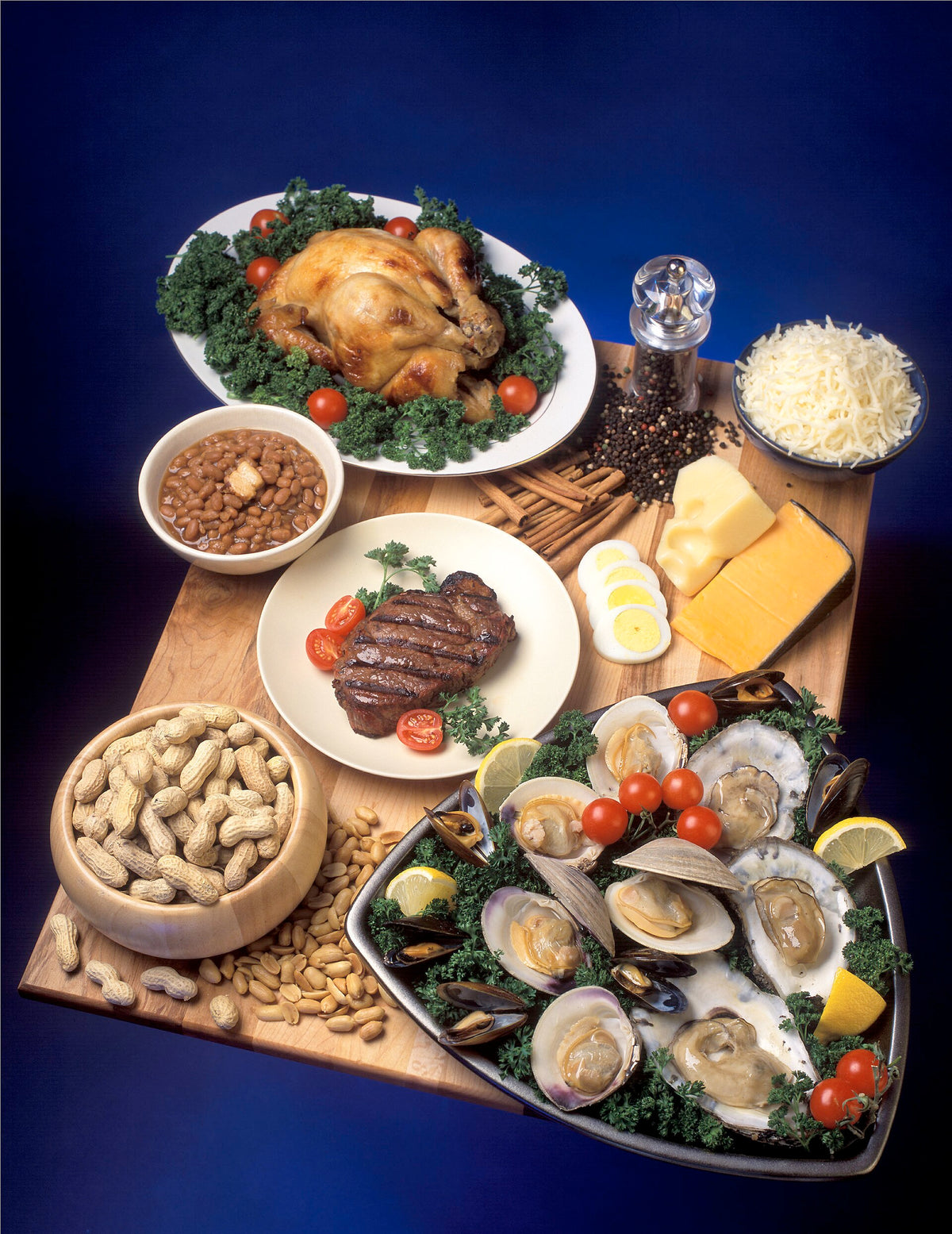
Keith Weller, USDA ARS / Public domain / via Wikimedia Commons
Why Zinc Gets So Much Attention
Zinc is one of the few minerals with a well-documented connection to testosterone metabolism, reproductive function, and cellular signaling. Men lose zinc through sweat. The body cannot store it the way it banks fat-soluble vitamins, so a steady daily supply is necessary to keep enzymatic processes running smoothly.
Most Western diets fall short. The recommended intake for adult men sits at 11 mg per day, and national dietary surveys consistently show average consumption hovering below that mark. That gap matters because zinc is involved in over 300 enzymatic reactions, many of them tied to processes men care about most: energy metabolism, immune defense, and hormonal balance.
This piece walks through what peer-reviewed research actually says about zinc and men's vitality. No inflated claims. Just the science.
Zinc and Testosterone Metabolism
Testosterone does not appear in the body by magic. It follows a chain of enzymatic reactions, and zinc acts as a cofactor at several steps in that chain. The mineral supports the function of enzymes involved in androgen synthesis and helps regulate the hypothalamic-pituitary-gonadal axis, the feedback loop that governs testosterone production.
A widely cited study published in Nutrition (1996) restricted dietary zinc in healthy young men for 20 weeks. Testosterone levels dropped measurably. Supplementing with zinc restored them toward baseline. The researchers did not claim zinc supports any hormonal condition, but the data showed clearly how tightly zinc status and testosterone production track each other.
The framing that matters: zinc supports testosterone levels already within a normal range. It is not a hormone. It does not override the body's own regulatory system. It supports the machinery so that system can run as designed. Men with adequate zinc status maintain that foundation rather than chasing levels beyond what the body is built to produce.
Sperm Quality and Reproductive Health
Seminal plasma contains some of the highest zinc concentrations found anywhere in the human body. That is not a coincidence. Zinc plays a role in sperm motility, the structural integrity of the sperm cell membrane, and the antioxidant defenses that protect sperm cells from oxidative stress during transit.
Research supported through the National Institutes of Health documents zinc's involvement in spermatogenesis, the continuous process of sperm production in the testes. Adequate zinc promotes healthy sperm morphology and helps maintain reproductive function already operating within normal parameters.
For couples thinking seriously about conception, nutritional status on both sides matters. Zinc is one piece of the male side of that equation, and it is relatively straightforward to address through diet and thoughtful supplementation. The research does not promise outcomes. It documents the biological relationship between zinc status and the underlying processes of male reproductive health.
Zinc's Reach Beyond Reproductive Health
Reproductive health is the headline, but zinc's reach is broader than most people expect.
The immune system depends on zinc for the production and activity of white blood cells. The skin uses it in collagen synthesis and wound repair. The prostate accumulates zinc at concentrations far above most soft tissues, and researchers continue studying why that gradient exists and what it signals about long-term prostate support.
Men who train hard face a specific risk. Sweat losses during intense exercise can be substantial. One analysis found that endurance athletes may lose enough zinc in a single session to push borderline-adequate levels downward over weeks of consistent training without dietary compensation. That is not a hypothetical. It is a measurable drain.
The consistent thread across all of these areas: zinc supports structure and function rather than treating conditions. It helps processes run the way they are designed to run. Adequate zinc is about maintenance, not medicine.
Getting Enough: Food Sources and Their Real Limits
Oysters are the most zinc-dense food on earth. Six medium oysters deliver roughly 32 mg, nearly three times the daily recommended intake for adult men. Red meat, shellfish, pumpkin seeds, hemp seeds, and lentils are solid secondary sources.
Plant-based sources come with a complication. They contain phytates, compounds that bind zinc and reduce intestinal absorption. Vegetarians and vegans absorb a meaningfully smaller fraction of dietary zinc, which is why nutrition guidelines often recommend their intake run 50 percent higher than for meat eaters.
Cooking techniques help. Soaking legumes, sprouting seeds, and leavening bread all reduce phytate content. These are not just culinary traditions; they improve mineral bioavailability in measurable ways.
Even so, many men do not consistently hit 11 mg per day. Travel, inconsistent eating, restricted diets, and busy schedules all chip away at intake. Food first is the right principle. A well-chosen supplement fills the genuine gaps when diet alone does not clear the threshold.
Choosing the Right Form: Why Absorption Decides Everything
Zinc supplement labels look similar. They behave very differently in the body.
Zinc oxide is common and inexpensive. Absorption rates in bioavailability studies hover around 49 to 55 percent. Zinc gluconate and zinc acetate absorb somewhat better. Zinc picolinate and zinc bisglycinate, also called zinc glycinate, are chelated forms: zinc bound to an amino acid carrier that helps the mineral cross the intestinal wall. Research suggests these chelated forms offer meaningfully superior absorption compared to inorganic zinc salts.
Customers often ask us why we chose chelated zinc forms for our formula instead of the cheapest available option. The answer is absorption. A lower dose of a highly bioavailable chelated form delivers more usable zinc than a higher dose of zinc oxide that only partially crosses the gut barrier.
Dose also matters. Most research showing meaningful support used 15 to 45 mg of elemental zinc daily. Consistently exceeding 40 mg long-term can interfere with copper absorption, so quality formulas pair zinc with a small amount of copper, typically at a ratio around 15:1.
One more thing to check: read labels for elemental zinc, not compound weight. A capsule labeled "50 mg zinc gluconate" contains roughly 7 mg of elemental zinc. That difference matters when you are trying to reach a meaningful daily dose.
Timing, Pairing, and Building a Consistent Routine
Zinc absorbs best on an empty stomach. For some people, that causes nausea. Taking it with a small amount of low-phytate food, a few bites of eggs or meat, usually resolves that without meaningful absorption loss.
Space zinc away from iron supplements. The two minerals compete for the same intestinal transporters. Two hours of separation between them reduces that competition enough to make a practical difference.
Magnesium pairs well with zinc for men focused on hormonal support and exercise recovery. The combination has been studied in trained athletes and found to support testosterone levels already within a normal range while promoting healthy muscle recovery. B6 acts as a cofactor that helps both minerals absorb and function more efficiently.
Consistency is the real variable. Zinc works as part of a daily habit, not a single intervention. If you are looking for a zinc supplement for men that uses chelated forms, transparent elemental dosing, and added copper for mineral balance, that is exactly what we built.
Frequently asked questions
How much zinc do men need daily?
The Recommended Dietary Allowance for adult men is 11 mg of elemental zinc per day. Men with higher sweat losses from exercise, or those eating plant-forward diets, may benefit from aiming toward the higher end of the adequate intake range. Most research on zinc's support for testosterone metabolism and reproductive health uses 15 to 45 mg of elemental zinc daily.
Can zinc support testosterone levels?
Research suggests zinc helps maintain testosterone levels already within a normal range. Zinc acts as a cofactor in enzymes involved in androgen synthesis and supports the regulatory axis governing testosterone production. It is not a hormone and does not raise testosterone beyond what the body is designed to produce naturally.
What foods are highest in zinc?
Oysters contain the most zinc per serving, roughly 32 mg in six medium oysters. Red meat, shellfish, pumpkin seeds, hemp seeds, lentils, and cashews are strong secondary sources. Plant-based sources are less bioavailable due to phytate content, so vegetarians and vegans generally need higher total intake to reach the same absorbed amount.
Is zinc bisglycinate better than zinc oxide?
Bioavailability studies suggest chelated forms like zinc bisglycinate and zinc picolinate absorb more efficiently than zinc oxide. The amino acid carrier in chelated zinc helps shuttle the mineral across the intestinal wall. For supplementation purposes, a lower dose of a chelated form typically delivers more usable zinc than a higher dose of zinc oxide.
Can you take too much zinc?
Yes. The Tolerable Upper Intake Level for zinc is 40 mg per day for adults. Regularly exceeding that amount over the long term can interfere with copper absorption and alter immune function. Quality zinc supplements pair zinc with a small amount of copper, usually at a 15:1 ratio, to maintain proper mineral balance.
These statements have not been evaluated by the Food and Drug Administration. This product is not intended to diagnose, treat, cure, or prevent any disease.
Written by The Minx Editorial, Women's Wellness Editor.
Read more

New to maca? Learn the real 4-6 week timeline, ideal daily dosing amounts, and what men can realistically expect. No hype. Practical guidance inside.

Maca and ashwagandha support different needs. Compare stress response, hormonal rhythm, and energy benefits to find your adaptogen match. Explore Minx Cubes.