
How Chronic Stress Reshapes Your Hormonal Rhythms
Chronic stress keeps the HPA axis in a near-constant state of activation, shifting cortisol away from its healthy morning peak-and-decline pattern. That blunted rhythm suppresses the hormonal signals that govern ovulation, progesterone output, and libido, leaving women feeling flat, fatigued, and disconnected from their own desire.
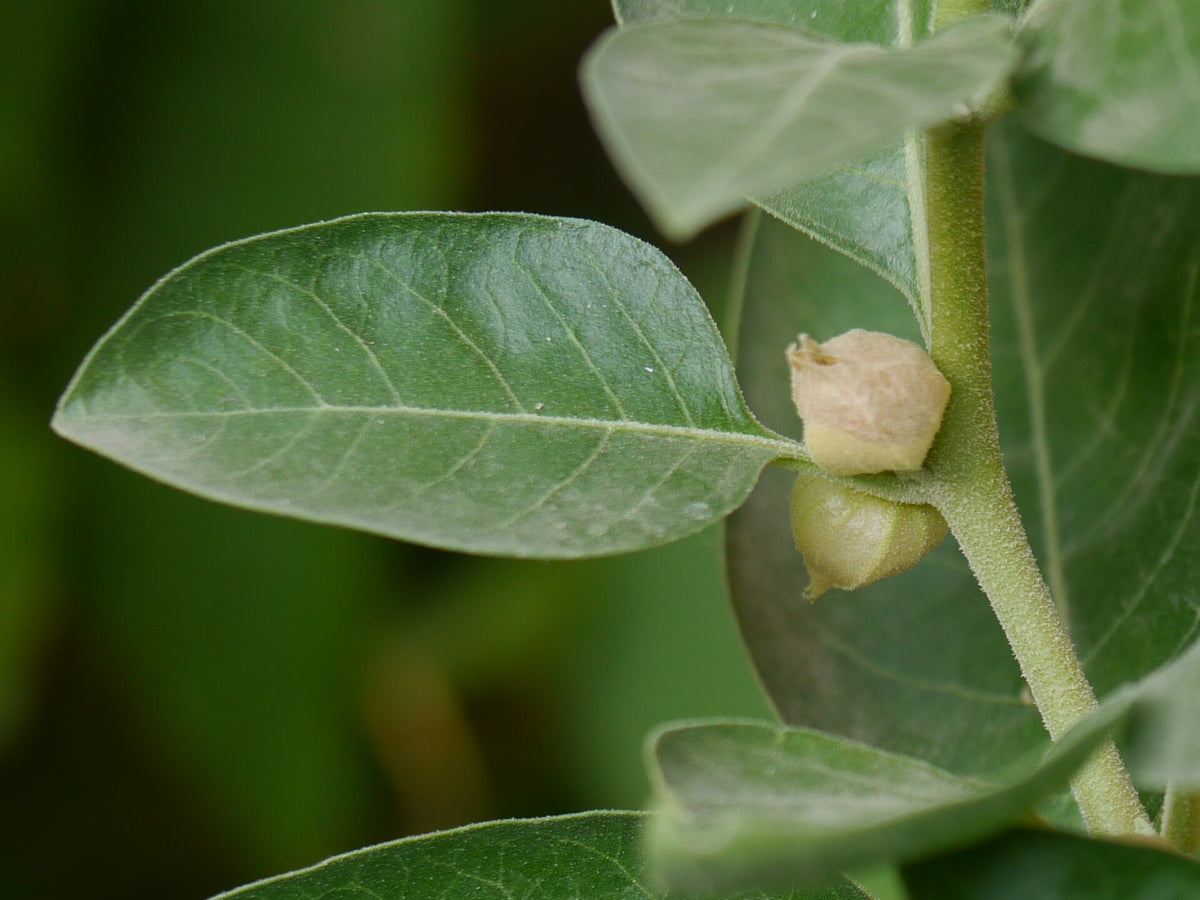
Dinesh Valke from Thane, India / CC BY-SA 2.0 / via Wikimedia Commons
The HPA Axis: Your Body's Built-In Alarm System
The hypothalamic-pituitary-adrenal (HPA) axis is a three-part signaling network that manages how your body responds to perceived threats. It begins in the hypothalamus, a structure roughly the size of an almond at the base of your brain. Register a stressor and the hypothalamus releases corticotropin-releasing hormone (CRH). CRH signals the pituitary gland. The pituitary releases adrenocorticotropic hormone (ACTH). ACTH reaches the adrenal glands, sitting like small triangular caps on your kidneys, and cortisol follows.
That sequence happens in under 15 minutes.
Cortisol itself is not harmful. It mobilizes glucose for fast energy, sharpens attention, and supports blood pressure during moments of physical demand. The original design was elegant: a short burst of activation, then a return to baseline once the perceived threat resolved. The problem is not the alarm. The problem is an alarm that does not turn off.
For many women, that unresolved alarm is not a predator. It is a schedule, a financial pressure, a relationship under strain, a body running on five hours of sleep. The HPA axis cannot distinguish between a physical threat and a psychological one. It fires the same cascade either way, every single time.
Cortisol's Natural 24-Hour Rhythm
Under healthy conditions, cortisol follows a steep daily arc. Levels spike within 30 to 45 minutes of waking, a burst called the cortisol awakening response (CAR). From that morning peak, cortisol declines steadily through the afternoon and reaches its lowest point around midnight. That slope is not arbitrary. It is the biological anchor of your energy, alertness, and sleep architecture.
The rhythm extends into reproductive function. Cortisol pulses coordinate with sex hormone release through overlapping feedback loops in the hypothalamus. A well-regulated cortisol arc supports the pulsatile release of gonadotropin-releasing hormone (GnRH), which drives the hormonal cascade behind ovulation and cycle regularity. According to research in Nature Reviews Endocrinology, glucocorticoids including cortisol directly influence the reproductive axis at multiple levels, from the hypothalamus down to the ovaries themselves.
This is not a fringe finding. The HPA-HPG relationship is foundational endocrinology. Most women are simply never told about it.
What Sustained Stress Does to That Pattern
A difficult week does not rewrite your hormonal biology. Months of unrelenting demand might.
Research tracking cortisol in working women found that those reporting high job demand showed significantly flatter diurnal cortisol slopes compared to low-stress groups. Flat, rather than steep. That distinction matters because the healthy signature is a sharp morning peak followed by a clean evening decline. A flat curve, blunted in the morning and elevated in the evening, points to a system that has been running at high alert for too long and has begun to recalibrate downward.
The body is not malfunctioning. It is adapting. But those adaptations carry real costs. Evening cortisol elevation competes with melatonin, the hormone that initiates rest. Blunted morning cortisol associates with lower physical energy in the first half of the day. Studies using ecological momentary assessment, where participants report mood and energy multiple times daily via app, consistently link flat cortisol curves with fatigue, reduced motivation, and lower physical drive.
Sleep suffers. Energy follows. Desire comes last.
The Downstream Cascade: Progesterone, Energy, and Desire
Here is where the cascade becomes personal.
Cortisol and your reproductive hormones share a common precursor molecule called pregnenolone. Under chronic demand, the body preferentially channels pregnenolone toward cortisol production. The extent of this shift varies by individual, but the net effect on sex hormone output is well documented. More directly, sustained HPA activation suppresses GnRH pulses, the upstream trigger for luteinizing hormone (LH) and follicle-stimulating hormone (FSH), both essential for ovulation.
When GnRH pulses slow, progesterone levels in the luteal phase can fall. Estrogen-to-progesterone ratios shift. Studies using daily urinary hormone monitoring have detected measurable luteal phase changes in women experiencing sustained psychosocial stress, even in the absence of overt cycle irregularity.
Progesterone has a calming, stabilizing effect on the nervous system. Low progesterone correlates with heightened reactivity, disrupted sleep architecture, and lower scores on validated fatigue indices. Desire, which depends heavily on balanced sex hormone ratios and a calm nervous system baseline, tends to follow progesterone down.
The Desire Connection: What the Research Actually Shows
Desire is not purely psychological. It has a strong biological substrate, and cortisol sits near the top of it.
Studies in reproductive-age women consistently link higher baseline cortisol with lower scores on validated measures of sexual interest. Research in Psychoneuroendocrinology found that women with higher salivary cortisol reactivity showed significantly lower genital arousal in response to erotic stimuli, independent of self-reported stress levels. The body's physiological response and the mind's self-assessment diverged. The physiology was quieter even when the mind was willing.
This is not a character flaw or a relationship issue. It is the HPA axis executing its original programming: deprioritize reproduction when survival feels uncertain. From an evolutionary standpoint, that makes complete sense. For a modern woman who is simply overextended, it is one more cost of a stress system that was never designed for this kind of chronic, low-grade load.
Understanding the mechanism changes the framing entirely. It shifts the question from “what is wrong with me?” to “what does my stress response need right now?”
Nutritional Compounds That Support HPA Balance
Customers often ask us which nutrients have the clearest evidence for supporting cortisol balance and hormonal resilience. The answer is a stack that addresses different points in the pathway, not a single ingredient.
- Ashwagandha root extract, standardized to at least 5% withanolides, is the most studied adaptogen for supporting cortisol levels already within a normal range. Multiple randomized controlled trials have used doses between 300 and 600 mg daily, with results measured at eight to twelve weeks.
- Magnesium glycinate plays a role in regulating NMDA receptors involved in the HPA stress response. Many women consume below the 310 to 320 mg daily recommended intake through diet alone.
- Zinc supports progesterone synthesis at the enzymatic level.
- B vitamins, particularly B5 (pantothenic acid) and B6 (pyridoxine), are required for adrenal hormone production and are depleted faster during high-demand periods.
In our formula for Minx Cubes, we chose mineral forms based on absorption research: chelated glycinate and bisglycinate rather than oxides, which absorb poorly in women with lower stomach acid output. The right daily adaptogen and mineral formula addresses the full HPA pathway rather than a single point in it.
Daily Habits That Reinforce Your Cortisol Rhythm
Supplements work better when they reinforce behaviors that signal safety to your nervous system. These are not complicated interventions. They are specific.
Morning light exposure within the first 30 minutes of waking amplifies the cortisol awakening response in a healthy direction. Bright outdoor light, or a 10,000-lux lamp on overcast mornings, helps synchronize the circadian clock that governs cortisol timing. Consistent wake times matter more than consistent bedtimes. The body uses your first waking moment as a calibration point for the entire day's cortisol arc. Irregular wake times, even on weekends, tend to flatten that arc over time.
High-intensity exercise is a cortisol stimulus. Timing it to mid-morning rather than late evening avoids adding to the cortisol load during the hours the body expects to wind down. A 20-minute walk in the evening, rather than a HIIT session, supports the natural cortisol decline without spiking it.
Sleep architecture, particularly the slow-wave stage that dominates the first half of the night, is when the pituitary resets and cortisol output is suppressed to its minimum. Shortening sleep by 90 minutes has been shown to blunt the next morning's cortisol awakening response by up to 30%. These are the dials. You adjust them one at a time, and you notice.
Frequently asked questions
How quickly can chronic stress affect my hormone levels?
Research suggests measurable changes in cortisol slope can appear within six to eight weeks of sustained high-demand conditions. Downstream effects on progesterone and cycle regularity often take a full cycle or two to become apparent. Individual variation is significant, but the timeline is shorter than most people expect.
Can stress affect my menstrual cycle?
Sustained HPA axis activation suppresses the hormonal signals that govern ovulation, including GnRH pulses. This can affect cycle length and luteal phase progesterone levels. Supporting a healthy stress response through nutrition and consistent lifestyle practices may help maintain cycle regularity already within a normal range.
What is the cortisol awakening response and why does it matter?
The cortisol awakening response (CAR) is a rapid spike in cortisol that occurs within 30 to 45 minutes of waking. It helps prime your body for the demands ahead. A robust CAR followed by a steady decline through the afternoon is associated with healthy energy, mental clarity, and restful sleep in the evening.
Do adaptogens like ashwagandha actually support cortisol balance?
Ashwagandha is the most researched adaptogen for this purpose. Multiple randomized trials show it supports cortisol levels already within a normal range, with consistent results appearing at eight to twelve weeks of daily use at 300 to 600 mg. Look for extracts standardized to withanolide content for predictable potency across batches.
Is lower desire during stressful periods a hormonal issue or a psychological one?
Both, and they are not separate systems. Hormonal shifts driven by sustained cortisol output, including lower progesterone and altered estrogen-to-progesterone ratios, have measurable effects on physical arousal. Supporting hormonal balance by addressing the HPA axis is one evidence-based route to supporting overall vitality and intimate wellness.
These statements have not been evaluated by the Food and Drug Administration. This product is not intended to diagnose, treat, cure, or prevent any disease.
Written by The Minx Editorial, Women's Wellness Editor.
Read more

Learn how disrupted sleep raises cortisol and affects female desire. Simple steps to protect your sleep and support intimate energy naturally.
Tribulus terrestris for men: a research-backed look at testosterone support, libido, and athletic vitality. We break down the evidence and what to look for.