
The Evening Routine That Supports Intimate Wellness
An intimate-wellness evening routine layers three signals over 90 minutes: shifting from blue to warm light, timing your supplement 30 to 45 minutes after a light meal, and adding small thermal and breathing cues that help the nervous system move into its rest-and-connection state.
Why the Nervous System Comes First
The body does not switch from high-alert to ready-for-connection on demand. That is the piece most evening routines miss entirely. Blood pressure, cortisol rhythm, and muscle tone all shift over the 90 minutes before sleep, and those same biological gears are deeply tied to how the body responds during intimacy.
The parasympathetic nervous system, the branch responsible for rest, digestion, and arousal response, needs a runway. It cannot be flipped on with five minutes of deep breathing. The shift happens gradually, through a sequence of small environmental and physiological cues layered over time.
Stress hormones that remain elevated past 9 p.m. do not just affect sleep. They actively work against the physiological conditions that support physical closeness. Cortisol and intimacy are, biologically speaking, working at cross-purposes. The evening routine exists to give cortisol a reason to fall.
This is why a wind-down ritual is not just a nice habit. It is the actual mechanism. Build the conditions first. The experience follows.
Light Exposure: The Signal Your Body Is Watching
By around 7 p.m., the eyes begin registering ambient light as a timing cue for melatonin production. Blue-spectrum light, the kind that pours off phones and overhead LEDs, can suppress that natural signal by up to two hours. That delay pushes the body's shift into parasympathetic mode later and later each night, compressing the window available for rest and recovery.
The fix is simpler than it sounds. Swap overhead bulbs for table or floor lamps. Look for warm-toned bulbs rated at 2700K or below. Put the phone face-down by 8:30 p.m. if possible, or switch your device to its warmest display setting.
Even a 50% reduction in blue light exposure in the final 90 minutes before bed makes a measurable difference in how quickly the nervous system begins its wind-down sequence. You do not need to go fully off-grid. Small, consistent shifts are what compound over time.
Warm, dim light also carries a quiet psychological signal. It shifts the body's expectation of what is coming. That cue, layered with other signals over weeks, builds its own momentum. The nervous system is pattern-driven. Give it patterns worth learning.
Supplement Timing: The Window Most Women Miss
Timing matters more than most product labels explain. The general instruction to take with food does not capture why some botanical and nutrient formulas work better at a specific point in the evening rather than at dinner.
Many of the compounds that help support circulation, mood-adjacent pathways, and physical comfort during intimacy take roughly 45 to 60 minutes to reach their absorption window. Taking them too early, with a heavy meal, can blunt that window. Taking them too late leaves little time for the body to respond before sleep arrives.
The sweet spot we have landed on, based on what customers often ask us, is 30 to 45 minutes after a light evening meal, or around 8 to 8:30 p.m. for most people. That timing lines up well with the light-exposure shift described above and gives the formula room to work through its natural arc.
One note on absorption: pairing your supplement with a small amount of healthy fat, a handful of almonds, a few slices of avocado, or a light olive oil dressing, can support the uptake of fat-soluble compounds in our formula. Worth keeping in mind if you notice varying effect depending on what you ate beforehand.
Women who make the MINX CUBES evening supplement a consistent part of this protocol tend to describe the effect as gradual rather than sudden. That is exactly how the formula is designed to work. Consistency over three to four weeks is where the pattern becomes clear.
Temperature as a Nervous System Reset
Core body temperature drops slightly as the body prepares for sleep. That drop is one of the primary triggers for parasympathetic activation. You can use this biology deliberately, turning a simple bath into a physiological cue your body starts to recognize.
A warm bath or shower taken 60 to 90 minutes before bed raises skin temperature, which then accelerates the rebound cooling effect that follows. The result is a faster, more pronounced temperature drop, which research published in Sleep Medicine Reviews associates with faster sleep onset and deeper early sleep cycles.
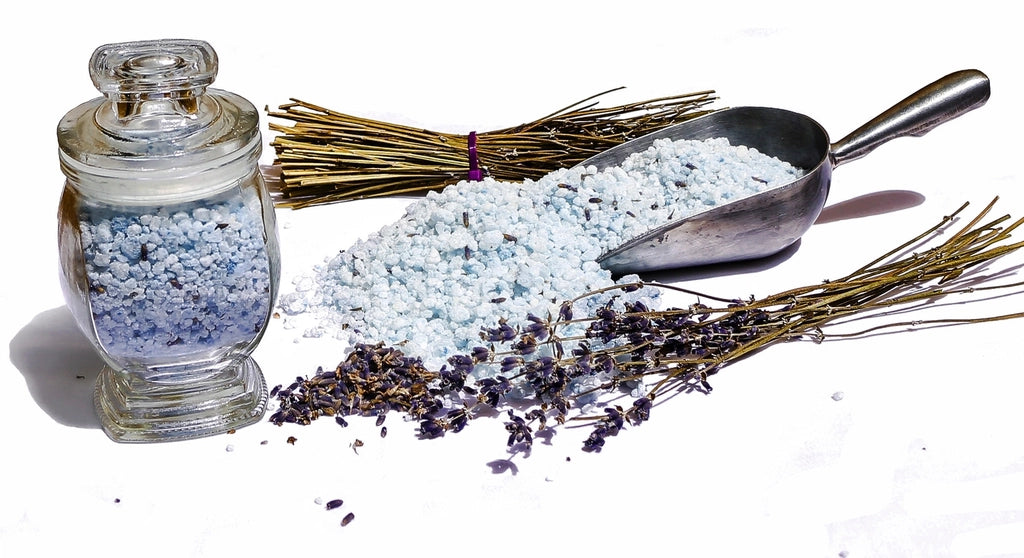
That same temperature shift also relaxes muscle tension, which is closely linked to physical comfort during intimacy. Carrying tension in the hips, lower back, and inner thighs is common after a full day of sitting and screen-time. A 15-minute warm soak, especially with two cups of magnesium flakes dissolved in the water, can noticeably shift that baseline holding pattern.
If a bath is not practical, a hot shower followed by 5 to 10 minutes of light floor stretching covers much of the same ground. The psoas muscle in particular, a deep hip flexor that often holds chronic tension, responds well to slow passive holds of 90 seconds or longer. No forcing. Just weight and time.
Micro-Habits That Layer In Over Time
The nervous system learns patterns. Three or four small signals, repeated consistently each evening, start to carry more combined weight than any single action taken in isolation.
Some of the micro-habits our customers mention most often:
- Putting devices in another room, not just face-down, between 9 and 10 p.m.
- Making a non-caffeinated herbal drink as a tactile ritual. Chamomile, rooibos, and passionflower all have long histories of use in evening wind-down contexts.
- Five minutes of slow breathing, 4 counts in and 6 counts out, sitting upright rather than lying down. Upright posture maintains calm alertness without overstimulation.
- Keeping the bedroom temperature between 65 and 68 degrees Fahrenheit. Cool, not cold.
- Adding a scent. Lavender, bergamot, and sandalwood appear in peer-reviewed literature as compounds associated with supporting the calming branch of the autonomic nervous system. One drop on a bedside diffuser pad is enough to signal that this space is for rest.
None of these are large commitments. Individually, each is almost trivially small. Stacked together, every night, over three to four weeks, the body starts moving toward its parasympathetic state earlier in the evening simply from context recognition. That is the actual goal: a trained nervous system, not a single perfect night.
The 90-Minute Protocol, Step by Step
Here is how a realistic wind-down looks when the elements are layered together:
- 7:30 p.m. Begin dimming lights. Swap the main overhead fixture for a warm lamp or floor light rated at 2700K or below.
- 8:00 p.m. Light evening meal or a small snack if dinner was early. Take your supplement 30 to 45 minutes after eating.
- 8:30 p.m. Warm bath or shower for 15 minutes. Add magnesium flakes if available. No phone in the bathroom.
- 8:50 p.m. Light stretching, 5 to 10 minutes. Hip flexor holds, gentle spinal twists. Nothing that raises your heart rate.
- 9:00 p.m. Devices away in another room. Herbal drink. Slow breathing or a few pages of a physical book.
- 9:15 p.m. Bedroom at 65 to 68 degrees. Diffuser on or one drop of lavender on the pillow edge.
The exact clock times will shift depending on your schedule. The sequence matters more than the hour. Light first, then thermal, then gentle movement, then stillness. That order mirrors the body's natural transition arc.
What Happens When You Stay With It
One evening will not feel dramatic. That is normal and expected. The compounds in our formula that help support circulation, comfort responses, and mood-adjacent pathways build in effect over weeks, not single nights. The nervous system adaptation follows the same arc.
By week two, most women report that the routine itself has begun to carry its own pull. Dimming the lights starts to feel like an internal shift. The herbal drink signals something. The body begins moving toward its parasympathetic state earlier, with less deliberate effort required each night.
By week four, the protocol feels less like something you do and more like something your body expects and moves toward naturally.
Sleep quality and intimate responsiveness share more biological overlap than most people realize. Both draw on the same hormonal and neurological pathways. A routine that supports one tends to help maintain the conditions for the other. That is the deeper case for building an evening ritual carefully, not just stumbling through it.
Start with one or two elements from this protocol tonight. Add more over the following week. The compounding effect is real, and it does not require perfection to build.
Frequently asked questions
When should I take MINX CUBES during an evening routine?
The ideal timing is 30 to 45 minutes after a light evening meal, typically around 8 to 8:30 p.m. for most schedules. Taking them alongside a small amount of healthy fat, such as almonds or avocado, may help support absorption of the fat-soluble compounds in the formula.
How long does it take to notice a difference with an evening intimate-wellness routine?
Most women notice subtle shifts in relaxation and physical comfort within the first two weeks. The fuller effect of a consistent supplement and routine protocol tends to become clearer around the three-to-four-week mark. The nervous system and the formula both reward consistency over single-night effort.
Does light exposure really affect intimate wellness?
Blue-spectrum light suppresses the melatonin signal and delays the body's shift into parasympathetic mode, the same nervous system state that supports arousal response and physical comfort already within a normal range. Reducing blue light after 7 p.m. helps the body begin its natural transition earlier in the evening.
Can I do a shorter version of this routine if I don't have 90 minutes?
Yes. The three highest-leverage elements are supplement timing, light dimming, and a warm shower or bath. Even a 30-minute version that includes those three, in sequence, can help support the parasympathetic shift. Add other elements as your schedule allows over time.
What bath temperature works best for the wind-down effect?
Warm rather than hot is more effective. Water between 104 and 108 degrees Fahrenheit raises skin temperature enough to trigger the cooling rebound that follows. Very hot water can briefly stimulate the sympathetic nervous system before relaxation sets in, which works against the timing goal.
These statements have not been evaluated by the Food and Drug Administration. This product is not intended to diagnose, treat, cure, or prevent any disease.
Written by The Minx Editorial, Women's Wellness Editor.
Read more

Maca or ashwagandha? We compare two leading adaptogens for women's energy and vitality. Find out which herb fits your lifestyle and explore MINX CUBES.

Women's libido supplements are widely misunderstood. We debunk 7 common myths so you can choose with confidence. Explore MINX CUBES for daily support.