

Maca vs. Ashwagandha: Which Herb Fits Your Lifestyle?
Maca supports physical energy and libido with an earthy, stimulating feel. Ashwagandha promotes calm focus and helps maintain healthy cortisol levels already within a normal range. Both are adaptogens, but they serve different needs. Your lifestyle and what you want to feel each day is what separates them.
What Are Adaptogens, Really?
Adaptogens are plants used in traditional herbalism for centuries. The working definition has stayed consistent: an adaptogen supports the body's ability to maintain normal balance under everyday demands.
Maca and ashwagandha are probably the two most-discussed adaptogens in women's wellness right now. They come from different parts of the world, have distinct chemical profiles, and they feel different in the body. Knowing which suits your life starts with understanding what each one actually does.
Neither is magic. Both require consistency. And both have genuine research behind them, which puts them in a smaller category than most herbs on the market.
Maca Root: What It Does and How It Feels
Maca (Lepidium meyenii) grows high in the Andes of Peru, often above 13,000 feet. It is a cruciferous root vegetable, technically in the same botanical family as broccoli, and it has been cultivated for over 2,000 years as both a food staple and an herbal support.
The active compounds include glucosinolates, flavonoids, and a group of compounds unique to the plant called macamides. These are not hormones themselves. Peer-reviewed research catalogued on PubMed suggests they may support healthy hormone balance already within a normal range.
What women most often notice after consistent maca use: a lift in physical energy, a stronger sense of drive, and support for libido. The effects feel physical first. Think less like a calm wave and more like a steady, earthy vitality.
Onset is gradual. Most research uses a 3-gram daily dose for 6 to 12 weeks before assessing results. It is not a quick-acting herb. Patience is part of the protocol.
Maca comes in several colors. Yellow is the most studied and most common. Red maca appears in preclinical research related to bone support. Black maca gets more attention in stamina-focused studies. For most women, yellow maca is the logical starting point.
Ashwagandha: The Stress-Response Staple
Ashwagandha (Withania somnifera) is a cornerstone of Ayurvedic practice and has been used in South Asian wellness traditions for at least 3,000 years. Its root is the primary part used in modern supplements, though its berries appear in some traditional preparations too.
The key active compounds are withanolides, a class of steroidal lactones with an extensive body of modern research behind them. Two standardized extracts, KSM-66 and Sensoril, are the most studied forms, each standardized to specific withanolide percentages for consistency.
Ashwagandha's reputation centers on supporting the body's stress-response systems. It promotes healthy cortisol levels already within a normal range and plays a role in supporting restful, normal sleep. A study indexed on PubMed examined a standardized ashwagandha root extract and found it helped maintain normal cortisol while supporting wellbeing in adults managing everyday stress demands.
The feeling of ashwagandha is characteristically calming. Many women describe it as taking the edge off without dulling focus. Grounding rather than energizing.
Onset is gradual, but subtle effects can appear within 2 to 4 weeks. More consistent results in research settings appear after 8 weeks of regular use.
Side by Side: Onset, Feel, and Daily Use
Here is a direct comparison so you can see the differences at a glance:
- Origin: Maca is Peruvian, rooted in Andean tradition. Ashwagandha is South Asian, from Ayurvedic practice.
- Primary support: Maca supports physical energy, libido, and hormone balance already within a normal range. Ashwagandha supports healthy cortisol, calm focus, and normal sleep quality.
- How it feels: Maca feels stimulating and physical. Ashwagandha feels calming and steadying.
- Onset: Both are gradual. Maca typically requires 6 to 12 weeks for full effect. Ashwagandha often shows subtle results within 2 to 4 weeks.
- Best time to take: Maca tends to suit morning routines. Ashwagandha is often taken in the evening or with dinner to support nighttime recovery.
- Common forms: Both are widely available as capsules and powders. Standardized ashwagandha extracts like KSM-66 or Sensoril offer more predictable daily support than unstandardized root powder.
Neither herb is universally better. The right choice depends on what your body needs most right now.
How to Choose Based on What You Want to Feel
Start with one honest question: what drains you most in a typical week?
If the answer is a lack of physical spark, low drive, or you want support for libido and stamina, maca is the stronger candidate. It is the herb more often chosen by women who want to feel like themselves again physically. Athletes, active women, and those navigating shifts in hormonal milestones often find it their go-to.
If the answer is that you feel stretched thin, reactive, or struggle to wind down at night, ashwagandha is likely the better fit. It supports the body's normal stress response and promotes restful sleep quality already within a normal range.
A few questions worth sitting with before you buy:
- Are you more drained in the morning or at night?
- Do you want more energy or more calm?
- Is your main priority physical vitality or mental steadiness?
- Are you sensitive to stimulating herbs? Maca can feel too activating for some women.
Customers often ask us whether they should just take whichever one seems most popular. Our honest answer: go with the one that matches your current season of life, not the one with the best marketing.
Can You Combine Maca and Ashwagandha?
Yes, many women take both. There is no known interaction between the two, and their effects complement each other naturally: maca provides the physical energy lift while ashwagandha supports the recovery side of the equation.
Starting them together makes it harder to know what each one is doing for you. A more practical approach is to start with one for four to six weeks, note how you feel, then layer in the second if you want broader support.
For women who want a ready-made combination, our maca and ashwagandha formula pairs both herbs with complementary botanicals in one convenient form, designed to support energy, mood balance, and libido without separate purchases or guesswork on ratios.
A reasonable starting dose for maca is 1.5 to 3 grams of dried root powder daily. For ashwagandha, a standardized extract at 300 to 600 mg per day matches the most common research dose. Both are generally well-tolerated. Anyone who is pregnant, nursing, or working with a healthcare provider should consult before starting.
Getting Consistent Results From Either Herb
Consistency separates the women who swear by adaptogens from those who say they never worked. These are not fast-acting compounds. They build over time.
A few habits that support better results:
- Take your adaptogen at the same time each day to build a reliable routine.
- Give it at least 6 weeks before deciding it is not working. Expecting fast results is the most common reason women quit too early.
- Pair it with basic sleep hygiene and solid nutrition. Adaptogens support the body; they do not replace foundational habits.
- Track how you feel in a simple note. Energy, sleep quality, libido, focus. Small changes often go unnoticed without a reference point.
The goal is steady improvement over months, not overnight transformation. Both maca and ashwagandha have centuries of traditional use behind them and a growing body of modern research. Choosing the right one and giving it time is the whole strategy.
Frequently asked questions
What is the difference between maca and ashwagandha for women?
Maca primarily supports physical energy, stamina, and libido. Ashwagandha supports healthy cortisol levels already within a normal range and promotes calm focus and restful sleep. They work through different mechanisms and tend to feel quite different in the body.
How long does it take for maca or ashwagandha to work?
Both herbs are gradual. Maca typically requires 6 to 12 weeks of consistent use for notable effect. Ashwagandha can show subtle results within 2 to 4 weeks, with more consistent results appearing after 8 weeks of regular use.
Can I take maca and ashwagandha at the same time?
Many women do take both. There is no known interaction between them. Starting them separately for 4 to 6 weeks each first helps you understand what each one is contributing before combining them.
Is maca or ashwagandha better for energy?
Maca is generally the stronger choice for physical energy and drive. Ashwagandha supports a calm, focused mental state and helps maintain cortisol levels already within a normal range, but it is not primarily an energy herb in the same way maca is.
What form of ashwagandha should I look for in a supplement?
Standardized root extracts such as KSM-66 or Sensoril are the most researched forms, offering a consistent withanolide percentage per dose. These tend to deliver more predictable support than unstandardized root powder.
These statements have not been evaluated by the Food and Drug Administration. This product is not intended to diagnose, treat, cure, or prevent any disease.
Written by The Minx Editorial, Women's Wellness Editor.
Read more
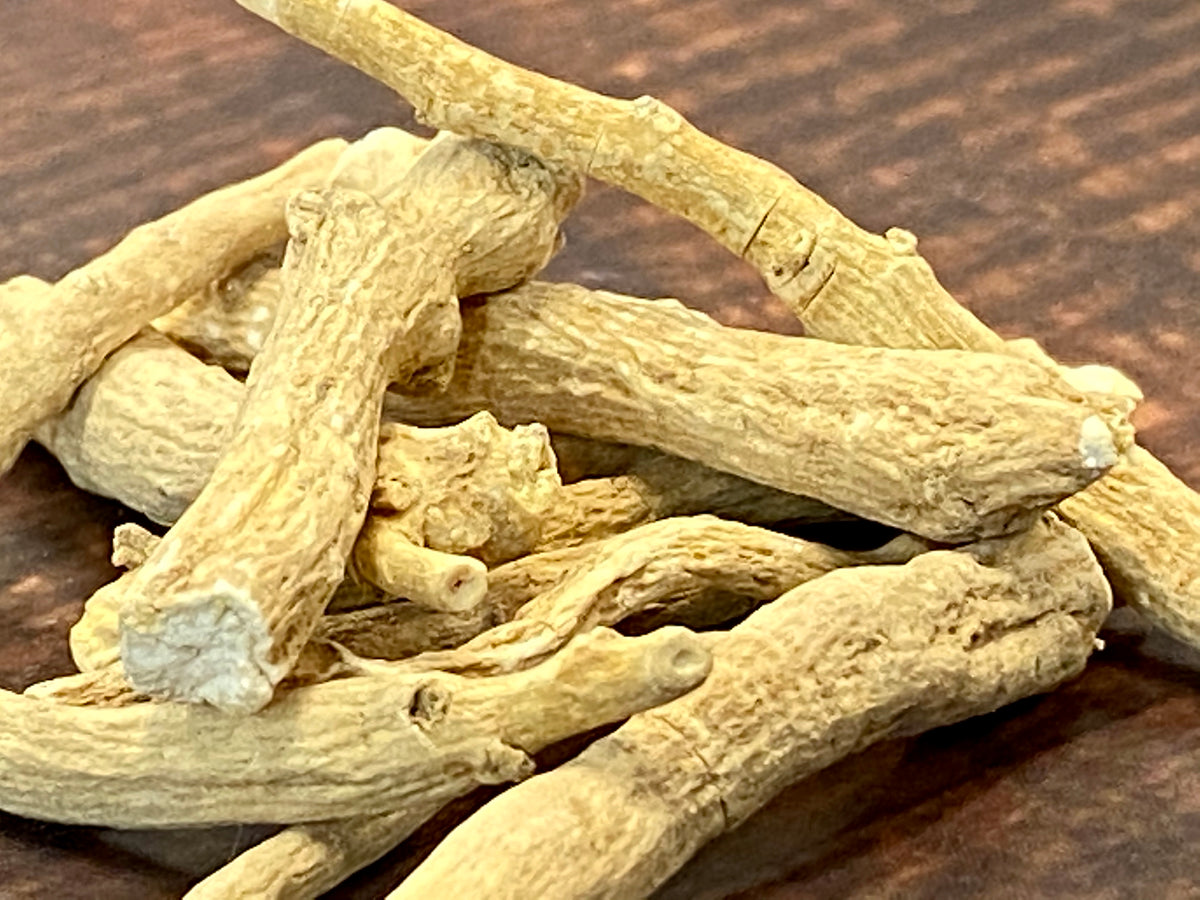
Chronic stress raises cortisol and suppresses desire. Learn how ashwagandha supports the stress-libido connection and helps you feel like yourself again.
Wind down with purpose: discover the supplement timing, light habits, and micro-rituals that support intimate wellness every evening. Shop MINX CUBES.