
Ginseng vs Maca for Women: Key Differences
Ginseng and maca are both root adaptogens, but they work through distinct pathways. Ginseng supports energy and focus through compounds called ginsenosides. Maca supports intimate wellness and feminine comfort through macamides and glucosinolates. The best choice depends on your goals and where you are in life right now.
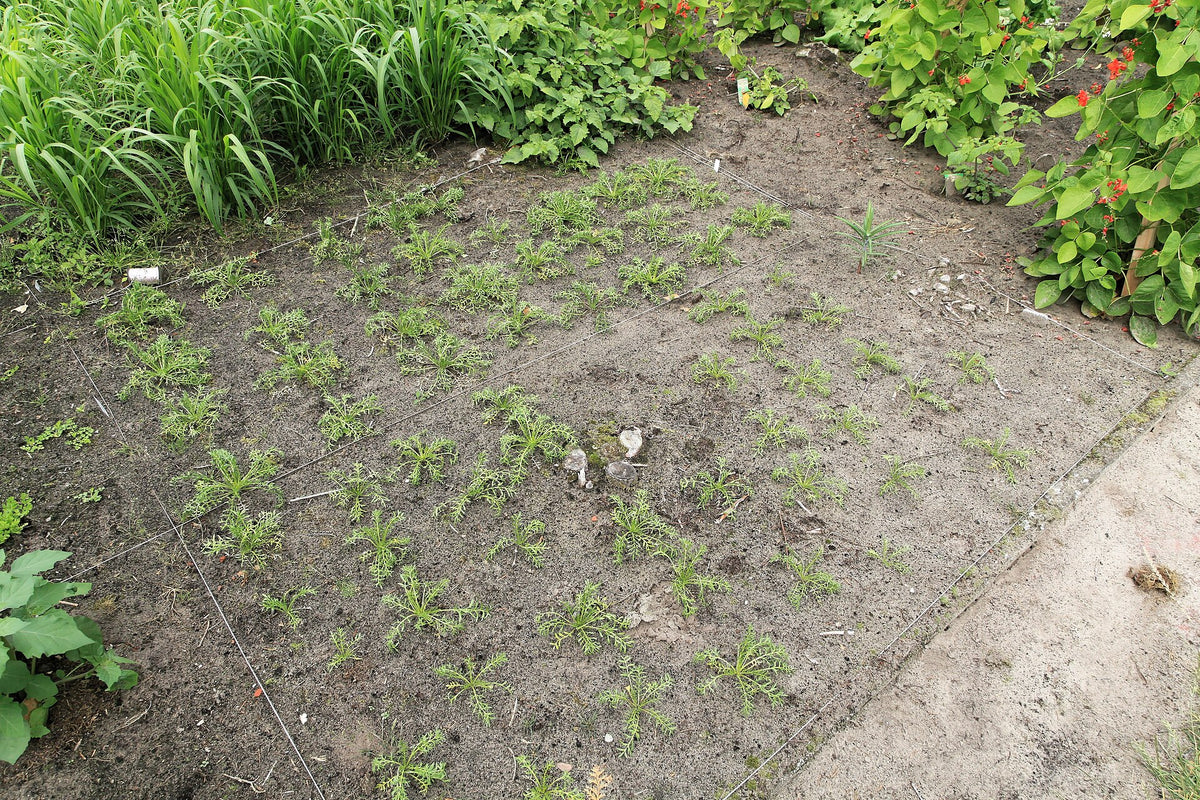
Frank Vincentz / CC BY-SA 3.0 / via Wikimedia Commons
Two Roots, Two Continents
Ginseng and maca come from opposite ends of the earth. Panax ginseng has been cultivated in Korea, China, and Russia for over 2,000 years. Maca (Lepidium meyenii) grows in the Peruvian Andes at elevations above 4,000 meters, one of the harshest agricultural environments on the planet.
That geographic distance matters. Each plant developed its active compounds as a survival response to its local climate. Ginseng adapted to humid, temperate forests with cold winters. Maca adapted to thin air, frost, and poor volcanic soil. Those stress-driven adaptations are exactly what makes each herb interesting from a wellness standpoint.
They are also botanically different in a way that affects how they are used. Ginseng is a slow-growing perennial root that takes four to six years to reach harvest maturity. Maca is a biennial crucifer, related to radishes and turnips. In Peru it has been eaten as a food for centuries, dried and boiled into porridge, long before anyone sold it as a capsule.
The Active Compounds Behind Each Herb
Ginseng's key compounds are ginsenosides, a family of triterpenoid saponins found in the root. Over 40 distinct ginsenosides have been identified. The ones that appear most often in research are Rb1, Rg1, and Re. Each one interacts with cellular signaling in slightly different ways, which partly explains why whole-root extracts often outperform isolated fractions in studies.
Preparation changes the ginsenoside profile significantly. Red ginseng is made by steaming the fresh root before drying, which converts some ginsenosides into more bioavailable forms. White ginseng is simply air-dried or sun-dried. Most high-quality supplements use red ginseng or a standardized extract that specifies ginsenoside percentage on the label.
Maca's active compounds are less precisely defined. Researchers point to glucosinolates, macamides, and an alkaloid called macaridine. Macamides are unique to maca, found nowhere else in nature. Current evidence suggests they may influence the endocannabinoid system and support HPA axis function. The research base is newer and thinner than the ginseng literature, which is worth knowing before you decide.
How Each Herb Supports Women's Wellness
Here is where the two herbs genuinely diverge in their primary audience and intended use.
Ginseng is most studied for supporting mental energy, focus, and a balanced stress response. Multiple clinical studies indexed at PubMed have documented ginseng's role in supporting energy levels and cognitive performance already within a normal health range. The mechanism appears to involve modulation of neurotransmitter pathways and mitochondrial energy production, not stimulant-like activity.
Maca has a different research focus. It is most consistently studied for supporting libido and intimate comfort, particularly during hormonal transitions. A randomized trial published in Menopause found that 3.5 g of maca daily helped maintain sexual desire and comfort already within a normal range in postmenopausal women. maca did not alter estrogen or FSH levels in the study, suggesting it works without directly raising hormone levels.
Short version: ginseng for energy, maca for intimate wellness. Both interact with the HPA axis in some capacity, but they prioritize different outcomes.
Forms, Doses, and What to Look For on a Label
Both herbs vary significantly in quality across products. Here is what matters when you are evaluating options.
For ginseng:
- Choose Panax ginseng (Korean or Asian) for energy support. American ginseng (Panax quinquefolius) has a calmer, more yin-tonifying profile and is studied for different applications.
- Red ginseng is steamed before drying; white is air-dried. Red has a more robust ginsenoside profile and is the form most commonly used in clinical trials.
- Look for standardized ginsenoside content on the label, typically between 4% and 8%. A label that only says 'ginseng root 500 mg' tells you nothing about potency.
- Doses studied in clinical trials range from 200 mg to 400 mg of standardized extract daily.
For maca:
- Yellow maca is most common and mild. Red maca has been studied more for bone density support. Black maca research focuses mainly on male subjects.
- Gelatinized maca has the starch removed, which concentrates active compounds and is gentler on digestion. Raw maca in large amounts can cause stomach discomfort.
- Effective doses in studies range from 1,500 mg to 3,500 mg of dried root daily, or 500 mg to 1,000 mg of concentrated extract.
- Raw maca contains goitrogenic compounds; if you have thyroid concerns, discuss maca use with your care provider first.
Matching the Herb to Your Lifestyle
Customers often ask us which herb to choose. The honest answer is that they serve different priorities, and the right herb is the one that matches your current goal.
Ginseng may suit you better if you want to support mental sharpness and sustained energy through a demanding schedule, prefer something with a longer clinical track record, or notice that afternoon energy dips are your main concern.
Maca may suit you better if your priority is supporting libido and intimate wellness, you are navigating perimenopause or another hormonal life transition, or you prefer a supplement with roots in whole-food tradition rather than pharmaceutical-style extraction.
Neither is universally superior. They are tools, not a competition.
Many women use both, since they work through different mechanisms and are generally considered compatible. Our formula in the MINX Cubes daily intimate blend includes both ginseng and maca alongside other botanicals, which simplifies the routine into one daily habit rather than managing separate supplements and dosing schedules.
Timing, Cycling, and How Long to Wait
Adaptogens work gradually. Both ginseng and maca build their effect over four to eight weeks of consistent use. This is not a weakness of the category. It is simply how these herbs function, which is very different from caffeine or other acute-acting compounds.
Ginseng is sometimes cycled: eight to twelve weeks on, two to four weeks off. Traditional use and some practitioners recommend this approach, though clinical trials have not conclusively established whether cycling is necessary for efficacy or long-term safety.
Maca is traditionally consumed daily as a food in Peru, without cycling. Most published trials run continuously for eight to twelve weeks without a rest period.
Take both with food. Ginseng on an empty stomach can cause nausea in sensitive individuals. Morning or early afternoon makes practical sense for ginseng, since its energy-supporting properties may interfere with sleep if taken close to bedtime. Maca has no known stimulant activity and can be taken any time of day.
Give yourself a fair trial. Change one variable at a time so you actually know what is working.
Reading Labels Before You Buy
The supplement market is not uniformly regulated, and label accuracy varies. Before buying either herb, look for these signals of a trustworthy brand.
Third-party testing seals from NSF International, USP, or Informed Sport indicate independent verification of label claims. They do not designed efficacy, but they confirm the label reflects what is actually in the bottle.
Avoid proprietary blends that list herbs without individual amounts. A label reading 'Adaptogen Blend 350 mg' could contain 340 mg of filler and 10 mg of maca. You cannot evaluate a dose you cannot see.
For ginseng, seek a standardized ginsenoside percentage. For maca, confirm whether you are getting raw or gelatinized root, and compare the serving size to the doses used in published research.
Price is a reasonable signal. High-quality ginseng extract and properly processed gelatinized maca are not cheap to source well. A nine-dollar bottle containing both is probably not delivering meaningful doses of either.
Frequently asked questions
Can I take ginseng and maca at the same time?
Yes. Ginseng and maca work through different mechanisms and are generally considered compatible. Many formulas combine both. Starting at the lower end of each dose range and monitoring how you feel is a reasonable approach.
How long before ginseng or maca starts working?
Both are adaptogens, which means they work gradually rather than acutely. Most clinical studies run for eight to twelve weeks. Give either herb at least four weeks of consistent daily use before assessing whether it is supporting your goals.
What is the difference between red ginseng and white ginseng?
Red ginseng is steamed before drying, which alters the ginsenoside profile and is generally considered more potent. White ginseng is simply air-dried. Most clinical trials on energy support in women use red ginseng or a standardized red ginseng extract.
Which color of maca is best for women's intimate wellness?
Yellow maca is the most studied, most available, and the standard starting point for women. Red maca has appeared in research on bone density support. Black maca research has focused mainly on male subjects, so yellow remains the most relevant choice for women focused on intimate wellness.
Does maca change hormone levels?
Current published research suggests maca does not directly alter estrogen or testosterone. A randomized trial in postmenopausal women found maca helped maintain sexual desire and comfort already within a normal range with no measurable changes in estrogen or FSH. It appears to work through the HPA axis rather than by mimicking hormones.
These statements have not been evaluated by the Food and Drug Administration. This product is not intended to diagnose, treat, cure, or prevent any disease.
Written by The Minx Editorial, Women's Wellness Editor.
Read more

Morning, pre-activity, or evening? This chronobiology guide shows men exactly when to take intimate wellness supplements for maximum daily support.
Damiana leaf has supported women's wellness for centuries. Explore its traditional roots, active compounds, and why Minx includes it in our daily formula.