
Damiana Leaf: Why Women's Wellness Brands Love It
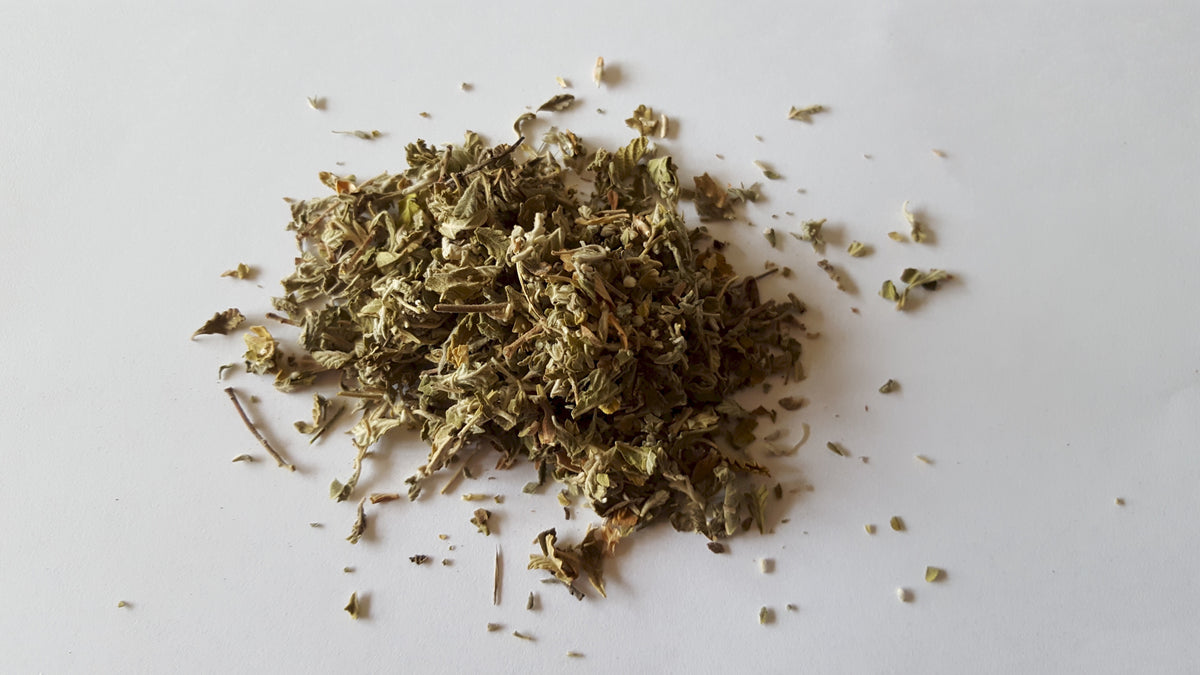
Damiana (Turnera diffusa) is a shrubby Mexican herb with centuries of traditional use as a women's tonic. Its flavonoids and alkaloids are thought to support mood, energy, and intimate wellness. Today's wellness brands include it for those reasons, combined with its mild, slightly earthy taste profile.
"Damiana (Turnera Diffusa)" by DMTrott is licensed under CC BY-SA 4.0. To view a copy of this license, visit https://creativecommons.org/licenses/by-sa/4.0/.
What Is Damiana?
Damiana is Turnera diffusa. Native to the subtropical regions of Mexico, Central America, and the Caribbean, the plant grows 30 to 200 centimeters tall, producing small bright-yellow flowers and leaves that carry a mild aromatic scent reminiscent of chamomile. Unassuming on the outside. Seriously well-studied on the inside.
Traditional healers prized every part of it. Leaves were dried and brewed into teas. Some communities blended the herb with other botanicals and consumed it as a daily tonic across seasons. The name "damiana" surfaces in colonial Spanish records connected to indigenous naming conventions associated with vitality and warmth.
What separates damiana from general-purpose herbs is its consistent association with women's wellness across cultures and centuries. That focus survived intact, which is one reason contemporary formulators take it seriously. Not every botanical earns that kind of longevity. Most trend for two years and disappear.
From Aztec Remedy to Modern Shelf
The Aztec and Maya civilizations documented damiana use well before European contact. Spanish missionaries encountered it in the 16th century and recorded that indigenous communities relied on it as a restorative tonic, particularly for women dealing with fatigue and low vitality. By the 17th century, traders were moving dried damiana leaves between Mexican markets and Caribbean ports.
The herb arrived in European botanical catalogs during the 18th and 19th centuries, classified alongside other tonic herbs thought to support nervous-system function. British and American herbalists listed it in pharmacopoeias as late as the 1890s, describing it as useful for supporting general vigor in women.
That mainstream attention faded when pharmaceutical medicine shifted toward isolated compounds. Damiana never disappeared from folk medicine in Mexico and Latin America, though. What we're seeing now is a rediscovery driven by consumer interest in plant-based formulas with documented traditional use. The herb survived 500 years because results were consistent enough to keep passing from one generation to the next. That's not marketing. That's a long record.
What the Research Actually Shows
Modern analysis of Turnera diffusa has identified several bioactive constituents: flavonoids (including pinocembrin and acacetin), arbutin, alpha-pinene, beta-sitosterol, and small amounts of caffeine-adjacent alkaloids. The flavonoid fraction is the most studied.
PubMed research on Turnera diffusa flavonoids includes early animal studies exploring how damiana extracts interact with physiological pathways involved in maintaining healthy hormonal ratios already within a normal range. Human clinical trials remain limited in scale, so responsible brands stay grounded in what the traditional record and preliminary science jointly support.
Arbutin, also found in bearberry and pear skins, is thought to play a role in urinary tract comfort by supporting a healthy bladder environment. Beta-sitosterol appears across many plants associated with hormonal support, and its presence in damiana adds another layer of reasoning for why formulators keep returning to this herb generation after generation.
No single compound fully explains damiana's reputation. The working hypothesis is that the full-leaf matrix produces effects no isolated fraction replicates cleanly. That whole-herb logic is consistent with how traditional botanical medicine has always operated.
Why Women's Wellness Brands Keep Choosing It
Trend cycles are brutal in the supplement industry. Herbs that spike on social media one quarter are gone the next. Damiana has not followed that pattern. It appears in 19th-century herbal texts, respected ethnobotanical databases, and sells consistently across independent health stores and specialty e-commerce brands. That staying power is meaningful signal.
Formulators value three things about it. First, taste. Damiana's mild, slightly bitter-floral flavor works in chewable formats, teas, and tinctures without overpowering other ingredients. Second, synergy. It stacks cleanly with maca, ashwagandha, and shatavari, herbs that target overlapping systems through different mechanisms. Third, recognition. Customers who read ingredient labels often already know damiana, which signals intentionality on the brand's part.
Customers often ask us what makes an intimate-wellness formula worth adding to a daily routine. The honest answer: consistency and ingredient quality matter more than any single hero compound. Damiana earns its spot by supporting a cluster of functions, including mood, healthy energy, and intimate drive, rather than doing one dramatic thing alone.
Leaf, Tincture, or Extract: What You're Actually Getting
Damiana products vary more than most consumers realize. Raw dried leaf (used in teas), alcohol-based tinctures, powdered-leaf capsules, and standardized extracts are all on the market. The difference matters for potency and consistency.
Raw leaf potency shifts with harvest season, soil quality, and storage conditions. A tincture made from well-sourced leaf is more consistent but still variable. Standardized extracts lock in a minimum percentage of specific compounds, usually total flavonoids, which gives formulators confidence in the dose per serving and lets you compare products meaningfully.
Three things worth looking for on any label:
- A standardized extract or a specified plant-to-extract ratio (4:1 and 10:1 are both common; higher ratios mean more concentrated)
- Country of origin listed as Mexico or Central America, indicating authentic Turnera diffusa rather than a regional substitute species
- Third-party testing documentation for heavy metals and microbial contaminants
The FDA's dietary supplement regulations require manufacturers to document identity, purity, strength, and composition. Brands that publish Certificates of Analysis offer the practical layer of accountability that goes beyond the label. Dosage ranges in the literature fall between 100 mg and 800 mg of leaf equivalent per day, with most traditional preparations landing closer to 200 to 400 mg.
Why We Built Damiana Into MINX CUBES
We spent considerable time testing damiana sources before settling on the form used in our formula. The challenge was balancing potency with format. A chewable cube needs to taste good without masking the active botanical character, and low-quality damiana has an unpleasant bitterness that no amount of flavoring fully covers.
The result is our MINX CUBES intimate wellness formula, which pairs damiana with complementary botanicals selected for overlapping but distinct mechanisms. Each cube delivers a measured dose of damiana leaf extract alongside ingredients chosen to support healthy energy, mood, and intimacy, all in a format designed for daily use that doesn't feel like taking medicine.
In our formula, we use a 4:1 damiana leaf extract standardized to total flavonoids. That concentration keeps the serving size manageable while maintaining the botanical integrity the traditional record suggests matters. What we hear most from customers who stay consistent: the difference is cumulative. Week one feels subtle. By week four, the steady support shows in ways that are hard to attribute to anything else.
How to Build a Damiana Ritual That Actually Sticks
No herb works in isolation from the rest of your habits. That's not a disclaimer. That's just how plant medicine functions. Damiana fits best as a consistent daily addition rather than an occasional dose you reach for when you remember it.
A few practical notes worth keeping:
- Take it with food. The fat-soluble compounds in damiana, including beta-sitosterol, absorb better alongside dietary fats. A meal with olive oil or avocado is sufficient. No special timing ritual required.
- Morning or midday works better than evening for most people, given the mild alkaloid content that can gently support alertness when you want it least at night.
- Consider cycling. Some traditional protocols suggest using damiana for six to eight weeks, then pausing one to two weeks before resuming. No strong clinical evidence requires it, but it's a reasonable approach for any tonic herb used long-term.
- Stack it with the basics. Magnesium, B vitamins, and adequate sleep support the same systems damiana is thought to influence. No botanical overcomes chronic poor sleep, but these approaches work well together.
Damiana's 500-year track record wasn't built on hype. It was built on consistent, daily use by people who had nothing to sell.
Frequently asked questions
What is damiana leaf traditionally used for?
Damiana (Turnera diffusa) has been used for centuries in Mexican and Central American herbal traditions as a daily tonic thought to support vitality, mood, and intimate wellness in women. Modern formulators draw on that same traditional record while pairing it with standardized extraction methods for more consistent dosing.
Is damiana safe to take every day?
Damiana has a long history of daily tonic use across multiple cultures. At typical supplemental doses of 200 to 400 mg of leaf equivalent, it is generally well tolerated. As with any botanical supplement, consult your healthcare provider before starting if you are pregnant, nursing, or currently taking medications.
How long before damiana starts supporting results?
Tonic herbs like damiana are not designed to produce immediate effects. Most people who stay consistent report noticing a difference after two to four weeks of daily use. The effects tend to build over time, so daily consistency matters considerably more than dose size.
Can damiana be combined with maca or ashwagandha?
Yes. Damiana is frequently formulated alongside maca root, ashwagandha, and shatavari because these herbs are thought to support overlapping systems through different mechanisms. The combination is common in women's wellness formulas, including our own MINX CUBES. No known interactions between these herbs have been flagged in the available literature.
Why a chewable cube instead of a damiana capsule?
Format affects consistency more than most people expect. Capsules are easy to skip and feel transactional. A well-formulated chewable cube becomes a sensory part of a daily ritual, which supports long-term adherence. Our MINX CUBES format was specifically designed to make the routine feel like a supports rather than a task, which is what actually keeps women coming back.
These statements have not been evaluated by the Food and Drug Administration. This product is not intended to diagnose, treat, cure, or prevent any disease.
Written by The Minx Editorial, Women's Wellness Editor.
Read more
Ginseng and maca both support women's wellness, but they work differently. Compare origins, mechanisms, and use cases to find the right herb for you.
Zinc and magnesium support testosterone synthesis and help maintain hormone levels in men. Learn why deficiency is so common and how to supplement smart.