
Ginseng vs Maca: Two Roots, Different Benefits
Panax ginseng and maca are both root adaptogens, but they work through distinct pathways. Ginseng is most studied for energy and mental alertness support. Maca is best known for mood and desire support. Together, they address complementary areas of women's intimate wellness.
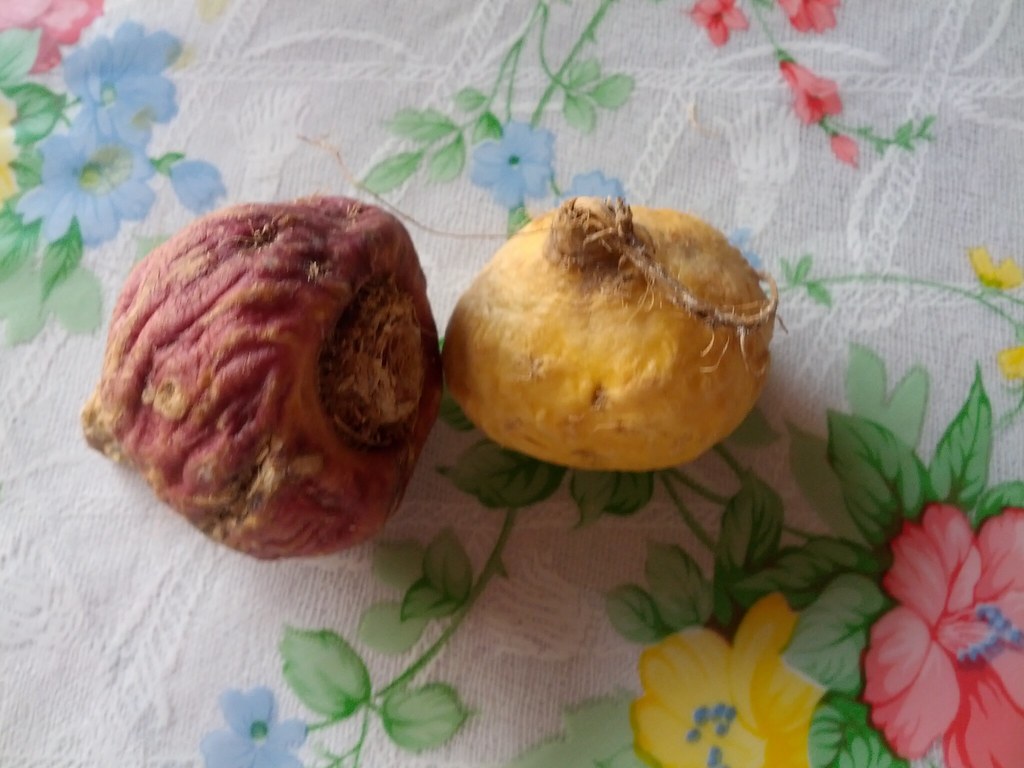
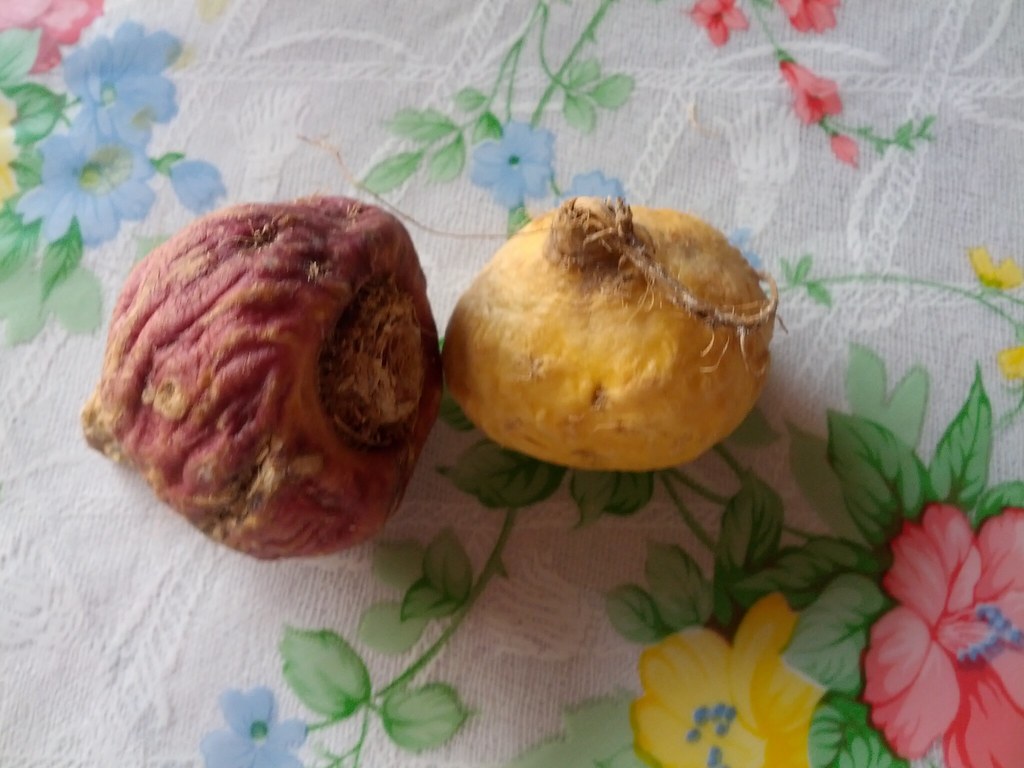
"Maca root" by tacowitte is licensed under CC BY 2.0. To view a copy of this license, visit https://creativecommons.org/licenses/by/2.0/.
The Basics: Two Roots, Two Different Pathways
Both plants come from opposite ends of the world. Panax ginseng grows in the mountains of Korea and China, where it has been used for centuries. Maca is native to the high plateaus of Peru, where it has fed and supported local communities for thousands of years.
They share a label: adaptogen. That means they are studied for their potential to help the body manage physical and mental stress. Their active compounds, though, are completely different, which is why they tend to support different things.
Ginseng's key compounds are called ginsenosides, a class of triterpene saponins. Maca contains macamides, benzylamine derivatives, and glucosinolates. These are not interchangeable. They act on different systems, which is exactly what makes comparing them useful rather than redundant.
Understanding where each root genuinely shines helps you make a smarter choice about what your routine actually needs.
Panax Ginseng: What the Evidence Shows
The most studied form is Panax ginseng, also called Asian or Korean ginseng. Over 500 published papers have examined it, making it one of the most researched botanicals available.
Energy is its signature benefit. Multiple studies suggest Panax ginseng supports mental alertness and helps maintain physical stamina during demanding tasks. One well-cited body of PubMed-indexed research on ginseng and fatigue found consistently positive findings in healthy adult populations, particularly in women managing high cognitive loads.
Ginseng also plays a role in supporting a steady mood. Ginsenosides appear to interact with pathways associated with stress response and mental well-being, though the precise mechanisms are still under active study.
Typical studied doses range from 200 mg to 400 mg of standardized extract per day. Most reputable formulas standardize to at least 4% ginsenosides, which is the benchmark used in major clinical trials. Products that list only total weight without a standardization percentage may not deliver consistent results batch to batch.
Maca Root: What the Evidence Shows
Maca (Lepidium meyenii) has a narrower but well-defined research base. Desire and mood are the two areas where the evidence is most consistent.
A pilot study published in CNS Neuroscience and Therapeutics found that women taking approximately 3.5 g of maca per day reported meaningful improvements in sexual desire scores compared to baseline. That is a self-reported measure, not a pharmaceutical endpoint, but the consistency across multiple trials is worth noting. A broader review of maca clinical data on PubMed shows a clear pattern in this direction across different populations.
Maca also has relevant data on mood support. Women using it consistently describe an even, energized baseline feeling, particularly during periods of hormonal shift. Researchers believe this may relate to the plant's flavonoid content and its role in supporting adrenal function, though the full mechanism is still being studied.
Root color matters more than most labels acknowledge. Yellow maca is the most common and most studied. Red maca is linked in research to bone density support. Black maca appears in the literature more often in connection with energy and endurance. Most formulas use yellow or a tri-color blend, and the distinction is worth knowing before you buy.
Side-by-Side: Energy, Mood, and Desire
Customers often ask us which root is better. That is the wrong question. The right one is: better at what?
- Energy: Ginseng has the stronger, more consistent research base for physical and mental energy support. Maca contributes here too, especially black maca, but it is a secondary benefit relative to its other known strengths.
- Mood: Both roots show mood-related benefits in studies, but through different pathways. Ginseng works more through neurotransmitter-adjacent mechanisms. Maca's mood support tends to be described in the literature as a steady, warm baseline rather than acute alertness or stimulation.
- Desire: Maca has the clearest published data for supporting sexual desire in women. Ginseng also has relevant research, particularly around healthy circulation support, but desire is more central to maca's identity as an ingredient than it is to ginseng's.
Neither root is objectively superior. They cover different ground. That is what makes this comparison worth having rather than defaulting to whichever one has more marketing behind it.
Why Some Formulas Combine Both Roots
Pairing ginseng and maca is not about doubling down on a single benefit. It is about covering a wider range of them without adding complexity to a daily routine.
Ginseng brings the mental and physical energy layer. Maca brings the desire and mood layer. Together, they address the full picture of intimate wellness in a single daily dose. In our formula, we chose to include both because they genuinely complement rather than duplicate each other. The result is a broader base of support than either root provides on its own.
There is also a practical synergy to consider. Ginseng supports stress resilience and helps the body maintain adrenal function already within a normal range, which can otherwise blunt desire and mood over time. Maca addresses desire more directly. Pairing them means the formula is not undermined if one mechanism matters more to a particular person's physiology than the other.
If you want to see how this pairing works in daily use, our ginseng and maca wellness cubes are designed around exactly this combination.
What to Look for on the Label
Not every ginseng or maca product delivers what its label implies. A few things worth checking before you commit to a formula.
For ginseng: look for "standardized to X% ginsenosides" on the label. Products that list only total weight without a standardization figure may not be consistent in their active compound content across batches. The range used in most clinical studies is 4% to 7% ginsenosides, and staying within that range is a reasonable benchmark.
For maca: dose matters more than most people realize. Studies showing meaningful results typically used 1.5 g to 3.5 g of dried root powder daily. A product containing only a trace amount added for label appeal is unlikely to replicate those outcomes, regardless of how prominently maca is featured in the marketing.
Gelatinized maca, processed with heat to remove starches, is generally easier to digest than raw powder. If you notice any digestive sensitivity to raw maca, a gelatinized version at the same dose is a practical and well-tolerated alternative.
As with any supplement, a conversation with your healthcare provider is a sensible first step, particularly if you are pregnant, nursing, or taking any medications.
Building a Consistent Adaptogen Routine
Adaptogens are not fast-acting. That matters for setting realistic expectations.
Both ginseng and maca are studied over weeks, not days. Most clinical research runs between four and twelve weeks. The mood and desire benefits of maca, in particular, tend to build gradually with consistent daily use. Showing up every day matters far more than timing a dose perfectly.
Pairing these roots with adequate sleep, hydration, and a generally nutrient-dense diet gives adaptogens the best environment to do their work. They support the body's own processes. They are not a substitute for the basics.
A format that makes daily use easy is worth thinking about. Adherence research consistently shows that chewable formats have higher completion rates than capsule regimens over eight-week periods. If taking a supplement feels like a task, the routine tends to slip. Gummies and soft chews lower that friction considerably, which is part of why we designed our products that way.
Sustained use is where adaptogens deliver. Sporadic use is where they disappoint.
Frequently asked questions
Is ginseng or maca better for energy?
They support energy through different mechanisms. Panax ginseng has the more consistent research base for mental alertness and physical stamina. Maca, particularly the black variety, also supports energy and endurance, but that tends to be a secondary benefit. For focused energy support, ginseng has the stronger published evidence.
Can you take ginseng and maca together?
Yes. Ginseng and maca are often combined in wellness formulas precisely because they complement rather than duplicate each other. Ginseng supports energy and stress resilience while maca supports mood and desire. There are no well-documented interactions between them in the research literature.
How long does it take for maca to work?
Most studies showing mood and desire support from maca ran between four and twelve weeks. Some people notice a shift sooner, but consistent daily use over at least four weeks is the most realistic timeframe for meaningful results.
What is the difference between Panax ginseng and Siberian ginseng?
Panax ginseng contains ginsenosides, which are the active compounds featured in most clinical research. Siberian ginseng (Eleutherococcus senticosus) is a different plant entirely, with different active compounds called eleutherosides. Both are adaptogens, but their research bodies are separate and they are not interchangeable in formulas.
Does maca support hormonal balance?
Maca does not directly add hormones to the body. Research suggests it may support the body's own hormonal regulation by acting on the hypothalamic-pituitary axis, which helps the body maintain hormone levels already within a normal range. This is why it is sometimes informally described as hormone-supporting, though that term is not regulatory language.
These statements have not been evaluated by the Food and Drug Administration. This product is not intended to diagnose, treat, cure, or prevent any disease.
Written by The Minx Editorial, Women's Wellness Editor.
Read more
Perimenopause can quietly affect desire and vitality. Learn which nutrients and adaptogens support hormonal balance after 35, without clinical framing.
L-arginine supports nitric oxide production and healthy circulation. Find out why it's a wellness staple and how MINX Man Cubes puts it to work for you.