
Why L-Arginine Keeps Showing Up in Wellness Formulas
L-arginine is an amino acid the body uses to produce nitric oxide, a molecule that signals blood vessel walls to relax and widen. This supports healthy circulation throughout the body, which connects directly to energy output, tissue sensitivity, and endurance during sustained physical effort.
The Amino Acid Behind a Lot of Quiet Chemistry
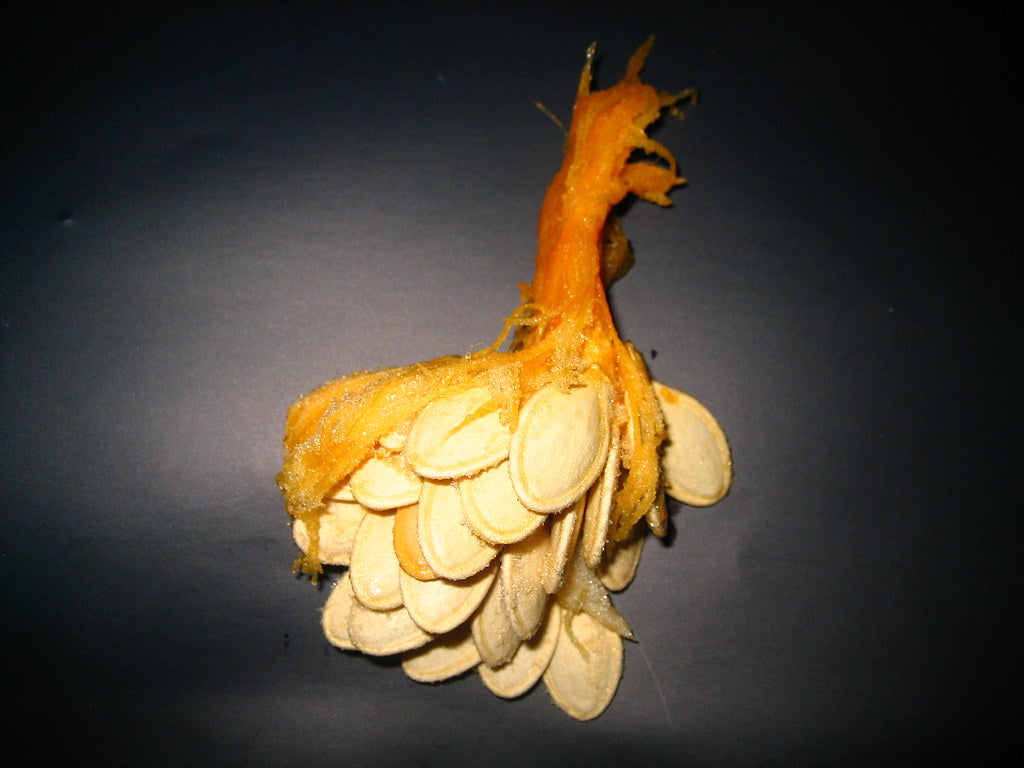
L-arginine is classified as a semi-essential amino acid. Your body produces some on its own, but not always enough, especially during periods of physical stress, sustained activity, or as you age. That gap is why it shows up in protein-rich foods like turkey breast, pumpkin seeds, soybeans, and lean red meat, and why the supplemental form has been studied for over forty years.
It was first isolated in 1886 from lupine seedlings. Researchers began taking it seriously as a supplement precursor in the 1980s, after work that would eventually earn a Nobel Prize traced exactly how the body converts arginine into nitric oxide. The prize, awarded in 1998, recognized three scientists who mapped the enzyme pathway responsible. Their findings changed how researchers and formulators thought about circulation support.
So when you see L-arginine on a label, it is not filler. It is a specific raw material for a specific reaction your body runs constantly, especially under demand.
How the Nitric Oxide Pathway Actually Works
Here is the basic chemistry, without the textbook density. An enzyme called nitric oxide synthase takes L-arginine and converts it into two things: L-citrulline and nitric oxide. That nitric oxide then travels to smooth muscle cells lining your blood vessels and signals them to relax.
Relaxed vessel walls mean wider vessels. Wider vessels mean more blood moving through at any given moment. That process is called vasodilation, and it is one of the body's primary tools for keeping circulation healthy and already within a normal range.
What makes this pathway interesting is how demand-responsive it is. The body does not flood the system with nitric oxide at random. It responds to signals: physical exertion, warmth, arousal. Having adequate L-arginine available means the substrate is there when those signals fire, rather than the reaction stalling mid-process.
You can read more about nitric oxide biology and vascular physiology in this StatPearls overview from the National Library of Medicine.
What Healthy Circulation Actually Feels Like
Circulation is not abstract. It shows up as warm hands in cold weather, the flush after exercise, the way your pulse quickens before something exciting. Blood flow is how the body delivers oxygen and nutrients to tissue. It is also how it clears the metabolic waste that causes fatigue and heaviness after effort.
For stamina, the connection is direct. Working muscles need more oxygen. Nitric oxide helps maintain the vessel dilation that keeps oxygen delivery running during sustained effort, supporting performance already within a normal range.
For sensitivity, the mechanism is quieter but follows the same logic. Arousal involves increased blood flow to genital tissue. That engorgement is what produces heightened nerve sensitivity and physical responsiveness. Not a claim. Vascular anatomy.
Supporting the nitric oxide pathway with adequate arginine means the system has what it needs to do what it already does naturally, without forcing anything.
L-Citrulline and Why the Recycling Loop Matters
One thing that surprises most people: L-citrulline, which appears alongside arginine in many formulas, is actually produced during the arginine-to-nitric-oxide conversion itself. The kidneys then recycle that citrulline back into arginine, creating a loop.
This means supplementing with citrulline can raise blood arginine levels longer than taking arginine directly. Oral L-arginine gets partially broken down in the digestive tract before reaching circulation, a process called first-pass metabolism. L-citrulline bypasses that bottleneck entirely.
Formulas that combine both aim to give the body arginine upfront while also feeding the recycling loop that keeps levels elevated over hours rather than just the first thirty minutes. It is a more complete approach than relying on either ingredient alone.
Customers often ask us why our formula includes both rather than simply increasing the arginine dose. The answer is the pathway itself. Raw material matters, but so does keeping the loop running.
Forms, Doses, and What to Look for on a Label
Not all L-arginine is equal. The two most common supplemental forms are L-arginine hydrochloride (HCl) and L-arginine alpha-ketoglutarate (AKG). HCl has the longer research history and greater stability. AKG pairs arginine with a compound from the citric acid cycle, which some formulations use to support absorption efficiency.
Published studies on nitric oxide support typically use between 3 and 6 grams of L-arginine per day. Timing matters too. Pre-activity dosing aims to support peak blood flow during exertion. Consistent daily use targets baseline nitric oxide availability over time. Both approaches have research behind them, and they are not mutually exclusive.
Quality sourcing affects how much actually reaches circulation. Pharmaceutical-grade L-arginine undergoes stricter purity testing than feed-grade bulk powder. If you are comparing products, check whether the label specifies grade and whether third-party testing is disclosed. Those two details separate a well-formulated product from a commodity one.
The National Center for Complementary and Integrative Health maintains a plain-language overview of L-arginine research worth bookmarking for ongoing updates from a primary source.
What the Research Points Toward
The evidence base for L-arginine is substantial by supplement standards. Four decades of studies, most focused on cardiovascular health markers and exercise performance, which makes sense given the nitric oxide mechanism.
Research consistently shows that L-arginine supplementation supports endothelial function, meaning the responsiveness of the thin cell layer lining blood vessels. That lining is where nitric oxide does its signaling work. Maintaining its normal behavior supports circulation already within a normal range over time.
For intimate wellness specifically, the research follows the same mechanistic chain. Blood flow is required for arousal response. Supporting the nitric oxide pathway supports blood flow. Studies are careful to note that results are most consistent with regular use over weeks rather than single doses. Baseline lifestyle factors, including hydration, sleep quality, and general cardiovascular health, shape what any supplement can realistically do.
L-arginine gives the body a building block it was already designed to use. That is the whole claim, and it is an honest one.
Why We Built Around This Ingredient
The MINX Man Cubes formula was designed around circulation. Not in an over-stacked, kitchen-sink way, but with a focused set of ingredients that support a single outcome: blood gets where it needs to go, efficiently, when the moment calls for it.
L-arginine is the foundation. In our formula, it is paired with complementary ingredients that support absorption and feed the citrulline recycling loop, designed to do more than a standalone amino acid dose could achieve on its own. The cube format was chosen for consistency. Something easy to take, and easy to reach for daily, works better than a capsule bottle sitting in a drawer. Regular use is the whole point.
If you have been reading ingredient labels and trying to understand what actually drives a formula, this is the ingredient to start with. Everything else builds on the nitric oxide pathway it feeds.
See what the MINX Man Cubes formula includes and how consistent use over two to four weeks compares to what you are using now.
Frequently asked questions
What does L-arginine do in the body?
L-arginine is an amino acid the body converts into nitric oxide, a signaling molecule that prompts blood vessel walls to relax and widen. This supports healthy circulation throughout the body and helps maintain normal blood flow to muscles and sensitive tissue already within a normal range.
How long does L-arginine take to have an effect?
Nitric oxide production can increase within an hour of a single dose. For consistent support of circulation already within a normal range, most people report noticing a difference after two to four weeks of daily use. Single-dose effects are more modest than the cumulative result of regular intake.
What is the difference between L-arginine and L-citrulline?
L-arginine is the direct precursor the body converts into nitric oxide. L-citrulline is a byproduct of that conversion that the kidneys recycle back into arginine. Taking both creates a more sustained elevation of blood arginine levels because it feeds the initial pathway and the recycling loop that extends its effect over several hours.
Why does blood flow matter for sensitivity and intimate wellness?
Arousal and physical sensitivity rely on increased blood flow to erectile and clitoral tissue. That flow is driven by nitric oxide-induced vasodilation, the same mechanism L-arginine helps support. Maintaining healthy circulation already within a normal range means the underlying system is ready to respond naturally when the moment calls for it.
Is it safe to take L-arginine every day?
Most healthy adults tolerate L-arginine well at doses used in research, typically 3 to 6 grams per day. As with any supplement, speak with a healthcare provider before starting if you take medications or have specific health considerations.
These statements have not been evaluated by the Food and Drug Administration. This product is not intended to diagnose, treat, cure, or prevent any disease.
Written by The Minx Editorial, Women's Wellness Editor.
Read more

Panax ginseng and maca root support energy, mood, and desire through different pathways. Learn the key differences and why some formulas combine both.

Maca root supports women's energy, stamina, and healthy desire without disrupting hormones. Learn how this Andean adaptogen works, then try Minx Cubes.