
L-Arginine vs Citrulline: Circulation Support Compared
L-citrulline generally outperforms oral L-arginine for circulation support because it bypasses the gut and liver metabolism that limits absorption, raising plasma arginine more reliably. Arginine converts directly to nitric oxide, but bioavailability is inconsistent. Citrulline, converted in the kidneys, delivers a sustained, more predictable precursor supply.
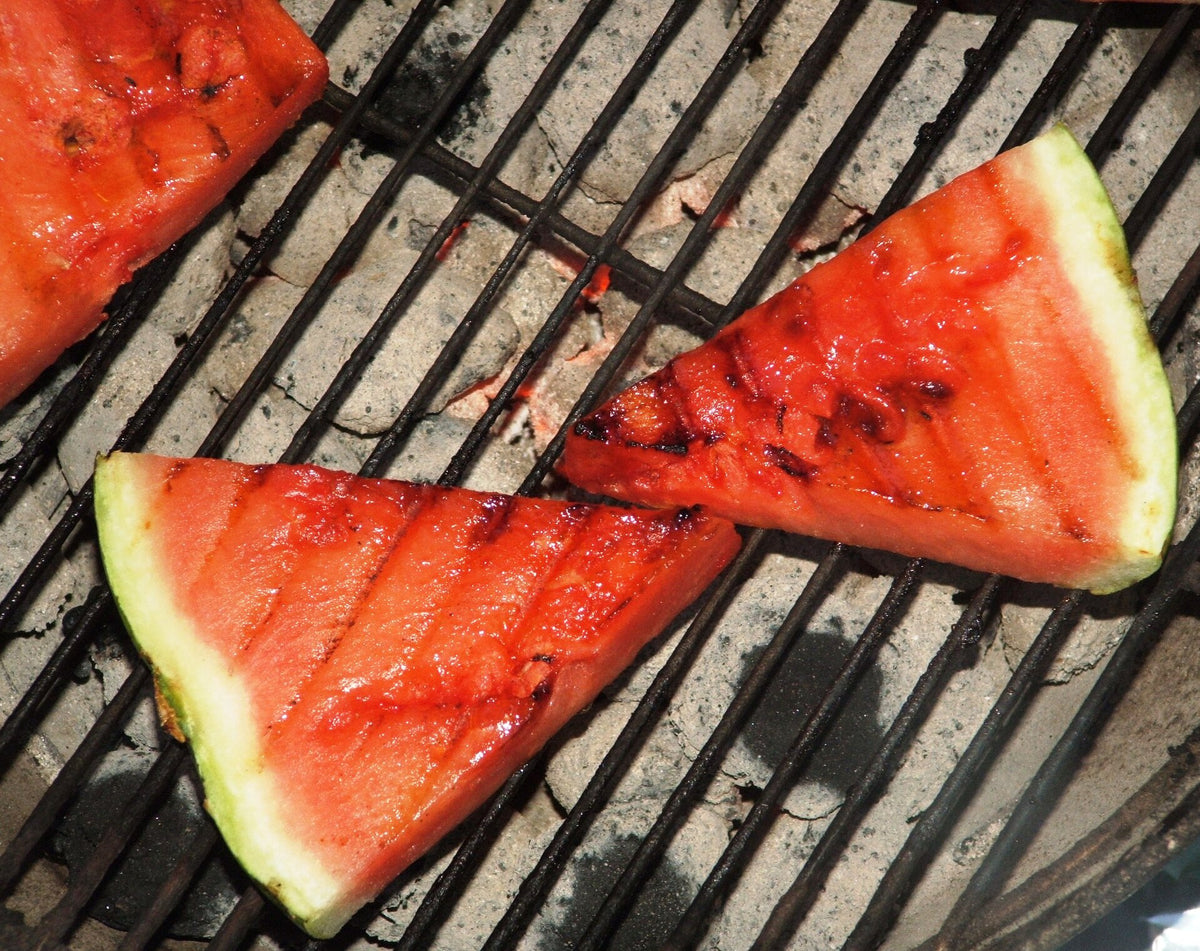
Glane23 / CC BY-SA 3.0 / via Wikimedia Commons
What Nitric Oxide Actually Does in the Body
Nitric oxide is a gas molecule your body produces naturally. It signals the smooth muscle cells lining your blood vessels to relax. Relaxed vessels are wider vessels. Wider means more flow.
That flow matters well beyond the gym. Healthy circulation helps maintain cardiovascular function already within a normal range, supports energy delivery to working muscles, and plays a role in the physical readiness men care about most. Your body makes nitric oxide from amino acids, and two of them sit at the center of every serious men's formula: L-arginine and L-citrulline.
Understanding how they differ is not just academic. The wrong choice means either wasting money on poor absorption or missing the more effective precursor entirely. Both scenarios happen more often than manufacturers would like to admit.
L-Arginine: The Direct Precursor and Its Limits
L-arginine is a semi-essential amino acid found in meat, poultry, fish, dairy, and nuts. Cells use it for several metabolic tasks, but the relevant one here is its conversion to nitric oxide via an enzyme called nitric oxide synthase (NOS). Supplement it, raise nitric oxide. Simple theory.
The problem is absorption. Oral L-arginine faces significant first-pass metabolism in the gut and liver, meaning a large portion breaks down before it ever reaches the bloodstream. Research estimates bioavailability somewhere between 20% and 68%, and that range alone tells you how inconsistent the response can be from one person to the next.
Dose creates a ceiling problem too. Above roughly 6 grams, the body can upregulate arginase, an enzyme that actively degrades arginine. Taking more does not always produce more nitric oxide. Sometimes it produces more GI discomfort and less of the molecule you actually wanted. That is a real limitation for a daily circulation support supplement, not a minor footnote.
Citrulline: The Indirect Route That Outperforms
Citrulline is a non-essential amino acid named after the Latin word for watermelon, its most recognized dietary source. It does not convert to nitric oxide directly. Instead, the kidneys convert citrulline into arginine, which then becomes available throughout the body for NOS activity.
This kidney-based pathway bypasses the gut and liver metabolism that limits oral arginine. The result is counterintuitive but well-documented: supplementing with citrulline raises plasma arginine levels more reliably than supplementing with arginine itself. A study published in the British Journal of Clinical Pharmacology found that oral citrulline produced a greater and more sustained rise in plasma arginine than an equivalent arginine dose, with bioavailability estimated consistently above 80%.
Citrulline also participates in the urea cycle, which supports the body's ability to clear ammonia, a metabolic byproduct that contributes to fatigue during physical effort. That secondary function makes it a natural fit for men looking to support both circulation and physical endurance at the same time.
Bioavailability Side by Side
Put the numbers next to each other and the picture clarifies fast.
- L-Arginine oral bioavailability: 20-68%, highly variable by dose and individual gut health
- L-Citrulline oral bioavailability: above 80%, more consistent across individuals
- Plasma arginine after arginine supplementation: rises quickly, falls quickly, inconsistent ceiling
- Plasma arginine after citrulline supplementation: rises more gradually, stays elevated longer
- GI tolerance: arginine at high doses can cause cramping or loose stools; citrulline is generally well-tolerated at effective doses
The sustained elevation from citrulline is practically significant. A longer window of elevated circulating arginine means a longer window for nitric oxide synthesis. For men focused on supporting healthy blood flow already within a normal range across the full course of a day, that sustained curve is genuinely useful rather than theoretical.
Should You Take One or Both?
Customers often ask us: is one enough, or does combining them actually make sense? The honest answer depends on what you are optimizing for. As a standalone daily choice, citrulline is the more practical option for most men. Better absorption, better tolerance, more predictable results.
That said, the two precursors work through different timing profiles. Arginine provides a faster-acting, direct precursor load in the first hour or so after ingestion. Citrulline produces a slower, more sustained arginine elevation that can persist several hours. Taken together, they create a broader coverage window than either delivers alone. The mechanisms are complementary, not redundant.
Citrulline malate is a form worth knowing. The malate is malic acid, involved in the Krebs cycle and in some research associated with muscular endurance support during exercise. Whether malate adds a meaningful independent effect on top of citrulline alone remains debated, but the combination is well-studied and widely used. A 2:1 ratio (two parts citrulline to one part malate by weight) is the standard you will see on most labels that use citrulline malate. Check the citrulline content specifically, not the combined weight.
If a product uses a proprietary blend that hides individual ingredient amounts, you cannot evaluate whether the dose is effective. That opacity is worth noting before you buy.
How We Built MINX MAN CUBES Around Both
In our formula, we chose to include both L-arginine and L-citrulline. Not as a marketing play. The pharmacokinetics support it: arginine's faster direct action combined with citrulline's slower, more bioavailable kidney-mediated conversion creates broader coverage across the nitric oxide production window throughout the day.
The MINX MAN CUBES formula comes in a dissolvable cube format designed for convenience and consistency. No powder to measure, no capsules to count. Each cube delivers a pre-portioned dose so you know exactly what you are getting, every time, without the guesswork that comes with scoops.
We formulated for men who want practical daily support for circulation, physical readiness, and sustained energy. The goal was a formula that works with your body's own pathways, built on ingredients with clear mechanisms and doses that actually matter. Every decision in development came back to that standard.
What to Look for on Any Supplement Label
Comparing products on your own? A few checkpoints worth knowing before you buy.
- Ingredient form: Both L-citrulline and citrulline malate are effective. Malate versions list a ratio; 2:1 means citrulline-heavy, which is what you want. Total citrulline content is what matters, not the combined weight.
- Dose range: Research on circulation support typically uses 3-6g of citrulline per day. Products dosed well below 3g are likely underdosed for meaningful effect.
- Label transparency: Full ingredient disclosure means you can actually evaluate what you are getting. Proprietary blends make that evaluation impossible.
- Third-party testing: A COA (certificate of analysis) from an independent lab confirms what the label claims is actually in the product. Worth looking for.
- Additional actives: Zinc, niacin (vitamin B3), and L-leucine each appear alongside arginine and citrulline in well-designed formulas for related reasons worth understanding separately.
Good supplementation is not about taking the most. It is about taking the right things, in the right forms, at doses that actually move the needle. That principle applies to arginine and citrulline as much as anything else in the category.
Frequently asked questions
Is L-citrulline better than L-arginine for circulation support?
For most men, citrulline is the more effective practical choice. It bypasses the gut and liver metabolism that limits oral arginine, resulting in more consistent plasma arginine levels and a longer window for nitric oxide precursor availability. It also tends to be better tolerated at effective doses, with fewer GI side effects.
Can I take L-arginine and L-citrulline together?
Yes, and the pharmacokinetics support it. Arginine acts as a faster, more direct precursor in the first hour after ingestion. Citrulline provides a slower, more bioavailable sustained wave over several hours. Together they support a broader nitric oxide production window than either alone, and the mechanisms are complementary rather than redundant.
What dose of citrulline is generally considered effective?
Research on circulation and physical performance support typically uses 3-6g of L-citrulline per day. If the product uses citrulline malate, check the actual citrulline content within the listed amount, not the total combined weight. Anything well below 3g of citrulline is likely underdosed for practical circulation support.
Does food provide enough arginine and citrulline on its own?
Food sources include watermelon and squash for citrulline, and meat, poultry, dairy, and nuts for arginine. A balanced diet contributes meaningfully to baseline levels, but supplementation allows for precise, consistent daily dosing that food cannot reliably deliver, particularly for men with active lifestyles or specific wellness goals.
Are there side effects from arginine or citrulline supplements?
L-citrulline is generally well-tolerated. L-arginine at high doses, typically above 6-9g, can cause gastrointestinal discomfort in some individuals. Combining both at balanced, moderate doses helps support tolerability. Speak with your healthcare provider before starting any new supplement if you have specific health considerations.
These statements have not been evaluated by the Food and Drug Administration. This product is not intended to diagnose, treat, cure, or prevent any disease.
Written by The Minx Editorial, Women's Wellness Editor.
Read more
Learn how ashwagandha supports cortisol balance and what that means for mood, emotional steadiness, and intimate connection. Find the right formula for you.

A step-by-step evening ritual pairing supplement timing, warm lighting, and breathwork to support your intimate wellness. Shop MINX CUBES to begin tonight.