

Maca for Men: Drive, Energy & What Research Shows
Maca root is a Peruvian cruciferous plant studied for its effects on energy, libido, and sperm parameters already within a normal range. Black and red maca have distinct phytochemical profiles that appear to target different male vitality markers, and consistent research suggests effects build over 4 to 8 weeks of daily use.
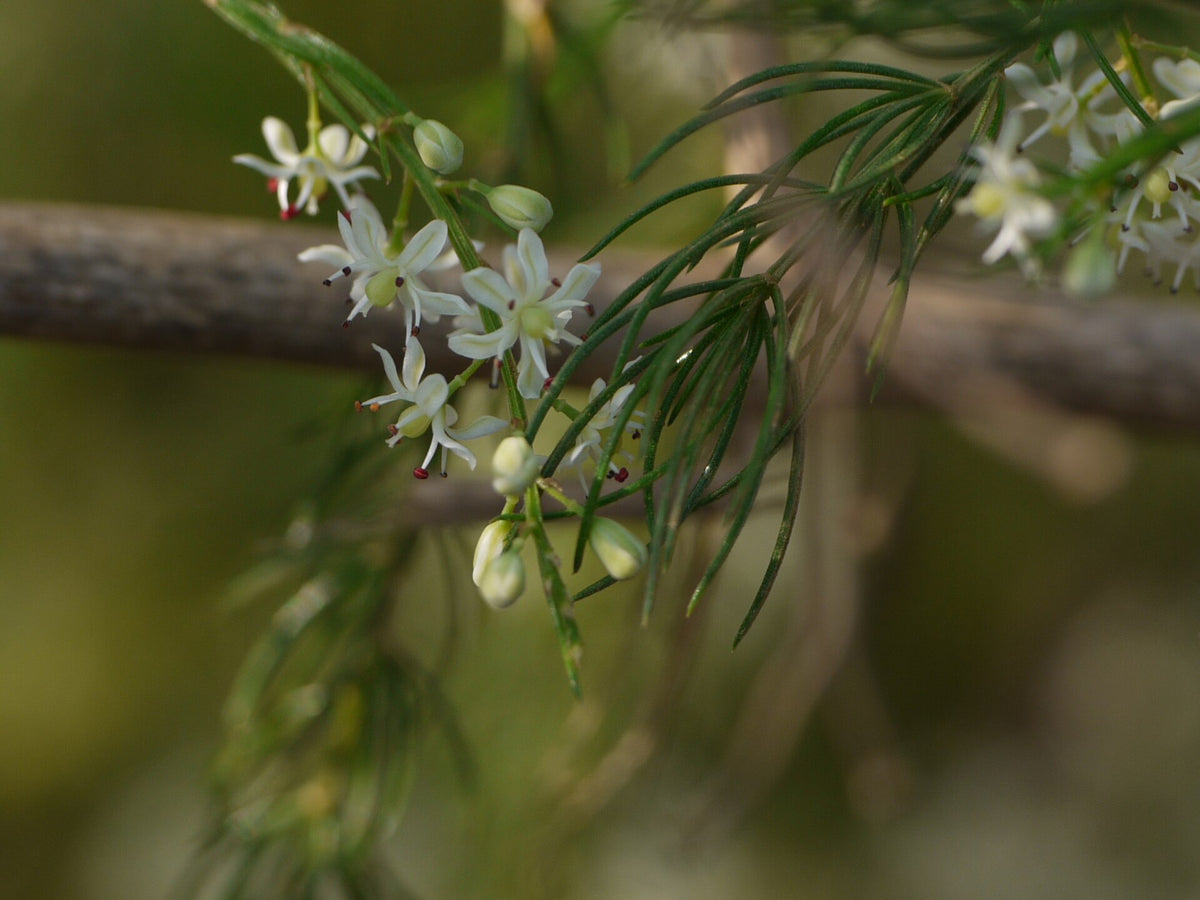
Frank Vincentz / CC BY-SA 3.0 / via Wikimedia Commons
What Maca Root Actually Is
Maca (Lepidium meyenii) is a root vegetable native to Peru's Junin plateau, cultivated at altitudes above 4,000 metres. It sits in the cruciferous family alongside broccoli and cauliflower, though its active compounds are entirely its own. Researchers focus on a class of alkaloids called macamides, found only in this plant, as well as a group of glucosinolates with a distinct profile from other brassicas.
Andean communities cultivated maca for roughly 2,000 years as a calorie-dense food and general vitality support at altitude. Modern interest centres on those same traditional uses, now examined in controlled settings. The glucosinolate and alkaloid content varies significantly by colour variant. That distinction matters more than most supplement labels let on.
Three main colour variants exist: yellow, red, and black. Yellow is the most commercially abundant, representing about 60% of the Peruvian harvest. Red and black are rarer and have meaningfully different biochemical profiles. Research increasingly supports them as distinct botanical inputs rather than interchangeable forms of the same root.
Black vs. Red Maca: Not the Same Root
Colour in maca is not cosmetic. Black and red variants have distinct phytochemical signatures, and studies suggest they act on different physiological pathways in men.
Black maca carries the highest glucosinolate concentration of the three main variants. A 2009 study published in Andrologia compared all three colours in healthy adult male subjects and found that black maca specifically supported sperm motility and count already within a normal range. Red and yellow variants showed weaker effects on those same parameters at equivalent doses over a four-month period.
Red maca has a higher benzylamine alkaloid content and a different glucosinolate signature. Research from Universidad Peruana Cayetano Heredia associates red maca with support for prostate health markers already within a normal range. Animal studies also suggest red maca supports bone-density markers, an effect researchers attribute to its phytoestrogen-adjacent compound profile.
Using only one colour means working with half the picture. That is the practical reason a formula focused on male vitality benefits from including both.
What the Clinical Research Shows
The evidence base is modest by pharmaceutical standards. Most human trials involve 40 to 80 participants over 8 to 12 weeks. That said, consistency across independent trials is noteworthy, especially given that maca is a food-category ingredient rather than an isolated pharmaceutical compound.
Energy and endurance. A randomised trial published in Endocrine found that male cyclists supplementing with 2g of maca daily for 14 days improved their 40km time-trial performance compared to placebo. Researchers pointed to the combination of maca's carbohydrate density and alkaloid content as likely contributors to that outcome.
Sexual desire. A 2010 systematic review in BMC Complementary and Alternative Medicine examined four randomised controlled trials and concluded maca may be effective at supporting sexual desire in men. The effect appeared independent of testosterone changes in several of the included studies, suggesting a central mechanism rather than a hormonal one.
Sperm parameters. The Andrologia study used gelatinised black maca at doses of 1.5g and 3g per day over four months in healthy men, with positive effects on sperm motility and count already within a normal range at both doses.
Subjective vitality. Multiple trials noted improvements in self-reported energy and reductions in fatigue ratings. Maca's iron, zinc, and B-vitamin content likely contribute, alongside the alkaloid profile unique to the root.
Maca and Testosterone: The Honest Answer
Customers often ask us whether maca raises testosterone. It is one of the most common questions about this ingredient. The research says: probably not directly.
A 2006 randomised trial in the Asian Journal of Andrology measured serum testosterone, LH, FSH, and prolactin in healthy men taking maca for 12 weeks. None of those hormonal markers changed meaningfully compared to placebo. What participants did report: improved libido and self-rated energy. The researchers proposed that maca acts through central mechanisms involving the hypothalamus or nervous system, rather than by acting on the endocrine axis the way hormonal compounds do.
This is useful to know. It means maca and a zinc-based supplement that supports normal testosterone metabolism already within a normal range are doing different jobs. Zinc acts on an established nutritional cofactor pathway for normal testosterone function. Maca appears to act elsewhere, supporting desire and vitality through a pathway that does not show up on a testosterone panel.
You do not have to choose between them. They address different aspects of the same overall picture.
Why Gelatinised Maca Outperforms Raw
Raw maca powder carries a significant starch content. Some people experience bloating or digestive discomfort at the doses studied in clinical trials, typically 1.5g to 3.5g per day. Gelatinised maca uses a pressure-cooking process that removes the starch while concentrating macamide and glucosinolate content per gram.
Most of the human trials showing positive results used gelatinised root or standardised aqueous extracts, not raw whole-root powder. Standardised extracts at 10:1 concentration or higher deliver a dose-equivalent active load in a much smaller physical volume. A formula listing 300mg of a 10:1 extract is delivering roughly the same macamide content as 3g of gelatinised whole root.
A label that reads only "maca root powder" without specifying gelatinised status or extract ratio may be delivering far less active content per serving than the studies used. Form is not a minor detail. It is the variable that separates a meaningful daily serving from filler.
What to Expect, and When
Maca is not fast-acting the way caffeine is. The research suggests meaningful effects build with consistent daily use over weeks. The cyclist study saw performance markers shift in 14 days. Libido trials generally required 8 weeks before statistically meaningful differences emerged from placebo. Shorter trial periods may not capture the full effect.
One serving daily, taken consistently, is the standard approach used across the research. The fat-soluble nature of some maca compounds suggests absorption may improve slightly when taken with food containing some fat, though this specific variable has not been formally studied at length. The bigger lever is consistency across weeks, not precise timing within a day.
No serious safety signals appear in the published literature for gelatinised maca at studied doses. One relevant note: raw maca, like all brassica-family plants, contains goitrogens. Gelatinisation significantly reduces this. Anyone managing thyroid health already within a normal range should look for gelatinised or aqueous extract forms specifically, rather than raw whole-root powder.
How Man Cubes Brings Both Variants Together
In our formula, we include both black and red maca because the research clearly suggests they work on different ground. Black for energy metabolism and sperm-parameter support already within a normal range. Red for prostate health markers already within a normal range and the broader alkaloid-driven effects observed in longer-term studies. A single-colour approach leaves meaningful support on the table.
The cube format matters for compliance. The research showing significant results required consistent daily use for 8 to 12 weeks. A format people genuinely want to take daily matters at that timescale. The soft chew carrier also provides a fat-based matrix that may support absorption of maca's more lipophilic active compounds.
Minx Man Cubes pair both maca variants with zinc and vitamin B6, nutrients that support normal testosterone metabolism already within a normal range, so the formula addresses the nutritional and botanical pathways together rather than treating them as alternatives.
If standard yellow maca powder has not delivered much for you before, colour and form are the two most likely variables worth changing. Gelatinised black and red maca combined is a materially different product from bulk yellow whole-root powder.
Frequently asked questions
What is the difference between black and red maca for men?
Black maca has the highest glucosinolate concentration of the three main variants and has been studied most specifically for sperm parameters and physical stamina already within a normal range. Red maca has a distinct benzylamine alkaloid profile associated with prostate health markers already within a normal range. They appear to act on different pathways, which is why formulas targeting male vitality often include both variants.
Does maca raise testosterone levels?
Research does not support a direct testosterone-raising effect from maca. A 12-week randomised trial found no significant change in serum testosterone or LH levels even as participants reported improved libido and energy. Maca appears to act through a separate, likely central pathway rather than an endocrine one. Zinc is the nutrient more directly associated with supporting normal testosterone metabolism already within a normal range.
How long does maca take to work?
Physical performance markers have shifted in as little as 14 days in some studies. Libido support trials generally required 8 weeks before statistically meaningful results appeared. Consistent daily use over weeks is the key variable, not dose timing within a given day.
Is gelatinised maca better than raw maca powder?
For most daily use purposes, yes. Gelatinised maca removes the starch content responsible for digestive discomfort at higher doses and concentrates the macamide content per gram. Most of the positive human trials used gelatinised root or standardised aqueous extracts rather than raw whole-root powder.
Can maca be taken alongside other supplements?
Maca does not appear to directly affect testosterone levels, making it complementary to rather than redundant with zinc or vitamin B6 supplements that support normal testosterone metabolism already within a normal range. No notable interactions are reported in the literature at studied doses. Gelatinised forms have significantly reduced goitrogen content compared to raw maca powder, making them the preferred option for daily use.
These statements have not been evaluated by the Food and Drug Administration. This product is not intended to diagnose, treat, cure, or prevent any disease.
Written by The Minx Editorial, Women's Wellness Editor.
Read more
Shatavari has supported women's hormonal comfort for centuries. Discover the Ayurvedic origin, the science behind it, and how to add this root to your routine.

Morning, pre-activity, or evening? This chronobiology guide shows men exactly when to take intimate wellness supplements for maximum daily support.