

Signs Your Body May Be Asking for More Maca
Maca is a Peruvian root classified as an adaptogen, meaning it helps the body maintain balance under everyday stress. Low energy, flat moods, and sluggish stamina are among the most common cues women notice when their adaptogenic support is running thin.
Frank Vincentz / CC BY-SA 3.0 / via Wikimedia Commons
What Makes Maca Different from Other Energy Boosters
Caffeine gives you a push. Maca works differently. As a root that grows in the high Andes of Peru, Lepidium meyenii has been used for centuries as a food and botanical tonic. Modern researchers classify it as an adaptogen, a plant that appears to help the body maintain balance in the face of everyday physical and mental demands.
Adaptogens do not work like stimulants. They do not spike your heart rate or crash you two hours later. The idea behind them is that they support your body's own regulatory systems over time. You may not feel anything on day one. Consistent use tends to build a quieter, more even kind of energy, the kind that carries you through a long afternoon or a hard week.
Maca has attracted attention in women's wellness research for its potential effects on energy, mood, and hormonal balance, though much of the human research is still developing. It is rich in amino acids, glucosinolates, and essential minerals. Many women report noticing a difference in how they feel after several weeks of consistent use.
The question worth asking is not simply whether maca is worth trying. It is whether your body is already sending signals that your adaptogenic support is not quite enough.
The Afternoon Energy Wall
You eat reasonably well. You sleep a reasonable number of hours. And yet somewhere between 1:30 and 3 in the afternoon, you feel yourself deflate. Focus goes. Motivation drops. You reach for a second coffee just to push through to dinner.
This pattern is common. It is also worth paying attention to.
Energy dips in the early afternoon are partly circadian. Your core body temperature drops slightly during this window, which is a natural cue for rest. But when that dip is severe, frequent, or accompanied by brain fog, it can suggest that your body's systems for maintaining stable energy are working harder than they should.
Adaptogens like maca and Panax ginseng have been studied for their role in supporting sustained energy already within a normal range. They are not stimulants. They may help the body maintain steadier output during the hours when your system would otherwise pull back hard.
If your afternoon wall is a daily event, your body may be asking for more consistent botanical support.
When Your Mood Has Gone Quiet
This one is subtler. It is not sadness exactly. It is more like a dimming. The things that usually light you up feel flat. You go through the motions but the spark feels like it is on low.
Mood is regulated by a complex web of neurotransmitters, hormones, and lifestyle factors. Botanical adaptogens interact meaningfully with several of these pathways. Maca has been studied for its relationship with estrogen receptors and its potential role in supporting mood already within a normal range, particularly during life stages that involve hormonal shifts.
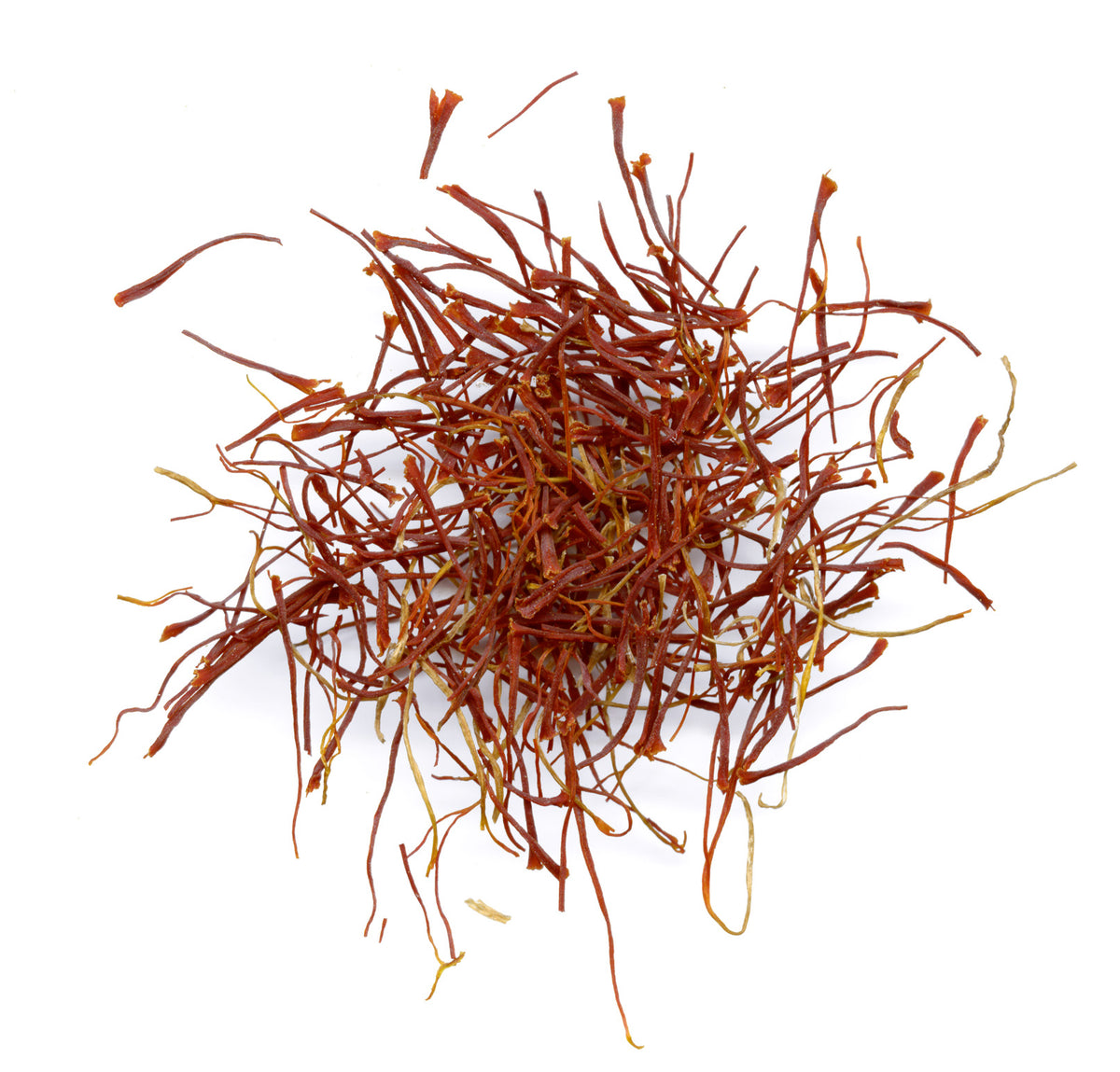
The herb mucuna pruriens contains naturally occurring L-DOPA, a precursor to dopamine, the neurotransmitter most associated with motivation and reward. Saffron, one of the oldest botanical mood-support herbs in recorded history, has been studied for its role in supporting emotional balance already within a normal range. Both of these ingredients appear in our formula alongside Panax ginseng, which is itself a well-researched adaptogen.
When your mood has been quiet longer than a few days, and you cannot trace it to a specific event, that quietness may be your nervous system asking for more support.
Stamina That Does Not Match Your Effort
You used to bounce back faster. After a workout, a long trip, a busy week. Now the recovery feels heavier. You are tired in ways that sleep does not fully fix.
Stamina is not just muscular. It is cardiovascular, neurological, and hormonal. L-Citrulline, an amino acid found naturally in watermelon, supports the body's production of nitric oxide, a molecule that plays a role in healthy circulation and blood flow already within a normal range. Better circulation supports oxygen and nutrient delivery to tissues, which supports how the body manages physical effort over time.
Beetroot is another plant well-studied in endurance research for related reasons. Its naturally occurring nitrates also interact with the nitric oxide pathway, making it a popular ingredient among active women looking for plant-based circulatory support.
Low stamina that persists despite adequate rest is a signal worth taking seriously. It does not necessarily mean something is wrong. It may simply mean your body's systems for supporting output and recovery would benefit from more nutritional scaffolding.
The Stress-Depletion Loop
Stress is not a one-time event. It accumulates. The hormonal response to chronic low-grade stress, including elevated cortisol, disrupted sleep, and sustained low-level tension, depletes nutritional reserves over time.
Magnesium, B vitamins, and several amino acids are burned through faster under sustained pressure. The adrenal glands, which manage your stress response, require consistent support to maintain healthy function already within a normal range. This is precisely where adaptogens like maca and Panax ginseng have earned their reputation.
The term "adaptogen" was coined in Soviet sports medicine in the 1960s to describe plants that helped the body resist physical and mental stressors. The research has expanded significantly since then. What the data consistently suggests is not that adaptogens numb you to stress, but that they may help your body maintain equilibrium when demands are high.
If you have been under sustained pressure and notice that your energy, mood, and stamina have all shifted at once, that convergence is meaningful. Your body may be running through its reserves faster than it can replenish them.
What to Look for in a Botanical Blend
Not all formulas are the same. Customers often ask us what distinguishes a blend that actually works from one that just looks good on a label. The honest answer: ingredient quality and combination matter.
For adaptogenic support, the ingredients with the most consistent research behind them include Panax ginseng (as distinct from Siberian ginseng or American ginseng), maca, ashwagandha, and rhodiola. For mood support, saffron has accumulated a notably strong body of research. For circulation and physical stamina, L-Citrulline and beetroot are well-studied options.
When evaluating any formula, look for transparent ingredient sourcing, a clear explanation of mechanisms rather than just outcomes, and a brand that stands behind its product with a money-back designed.
The team behind MINX CUBES and this formula has assembled several of these well-studied botanicals, including L-Citrulline, saffron, mucuna, Panax ginseng, and beetroot, into a single daily gummy. Not maca specifically, but a formula built around the same guiding principle: giving the body consistent botanical support across the energy, mood, and circulation pathways that tend to signal when they are underserved.
Tuning In Before Tuning Out
Your body communicates before it breaks down. The afternoon crash, the flat mood, the stamina that has quietly gone missing: these are early signals, not emergencies. They are worth paying attention to before they become harder to ignore.
Maca is one tool. There are others. The common thread among the most-studied adaptogens and botanical wellness ingredients is that they work gradually, cumulatively, and most effectively when used consistently. A single dose tells you little. Thirty days of consistent daily use usually tells you quite a lot.
Start by noticing which signals feel most familiar. Is it energy? Mood? Physical output? That can help you identify which types of botanical support your body is most likely asking for, and choose accordingly.
The goal is not to override your body's signals with stimulants. The goal is to give your body what it needs to generate steadier energy, more consistent mood, and better stamina on its own terms.
Frequently asked questions
What is maca and how does it work as an adaptogen?
Maca (Lepidium meyenii) is a root vegetable native to the high Andes of Peru. As an adaptogen, it may help the body maintain balance and support energy levels already within a normal range. It works gradually over several weeks rather than producing an immediate effect, which distinguishes it from stimulants like caffeine.
How long does it take to notice a difference when taking adaptogens?
Most practitioners recommend giving adaptogenic herbs at least three to four weeks of consistent daily use before assessing results. Many women report the most noticeable shifts in energy and mood between weeks three and eight. Individual response varies based on lifestyle, stress load, and baseline nutrition.
Can I take adaptogenic botanicals alongside other supplements?
Most adaptogenic herbs are well-tolerated alongside common supplements such as a multivitamin, omega-3s, or magnesium. As with any supplement addition, it is a good idea to check with your healthcare provider, particularly if you take prescription medications or are pregnant or breastfeeding.
What is the difference between maca and Panax ginseng?
Both are classified as adaptogens and studied for their role in supporting energy and vitality already within a normal range. Maca is a Peruvian root with a starchy, nutty profile and notable amino acid content. Panax ginseng is an Asian root with a more extensive body of clinical research, particularly around cognitive performance and physical stamina support.
Are energy and mood dips always related to nutrition?
Not always. Persistent fatigue, low mood, and stamina changes can have multiple contributing factors including sleep quality, hydration, stress levels, and movement patterns. Nutritional and botanical support is one piece of a broader wellness picture. If these signals are severe or prolonged, consulting a healthcare provider is always worthwhile.
These statements have not been evaluated by the Food and Drug Administration. This product is not intended to diagnose, treat, cure, or prevent any disease.
Written by The Minx Editorial, Women's Wellness Editor.
Read more

Discover damiana, the centuries-old botanical prized for flavonoid content and calming properties. Learn how this herb supports relaxation and receptivity.
Adaptogens aren't all the same. Learn how they modulate cortisol, support the HPA axis, and what separates real mechanisms from label hype. Discover Minx.