

4 Signs Stress Is Affecting Your Intimate Life
Chronic stress floods your body with cortisol, which can interfere with the hormones and nervous-system signals that support desire and connection. Four specific patterns, a disconnected body, low initiation, irritability with touch, and mental drift during intimacy, often point back to an overtaxed stress-response system.
When Stress Quietly Reshapes Your Hormones
Most people expect stress to feel loud. A racing heart, tight shoulders, the urge to pace. Chronic stress works differently. The kind that hums for weeks or months stays below your conscious radar while reshaping your hormonal landscape in ways that often show up in your intimate life before they show up anywhere else.
Cortisol is your body's primary stress hormone. Short bursts of it serve a real purpose and help you handle challenges quickly. The problem is that ongoing demands can keep cortisol elevated far past any single stressful event. Sustained high cortisol competes with the sex hormones estrogen, progesterone, and testosterone, all of which help support healthy desire, arousal, and physical sensitivity.
The body supports survival as its first priority. Reproduction, and all the pleasure that comes with it, gets deprioritized. That's not a character flaw. It's basic physiology, and once you understand it, the four signs below make a lot more sense.
Sign 1: Your Body Feels Distant From Your Mind
You're physically present, but it's like your sensory volume has been turned down. Touch that used to feel electric now feels neutral. This is one of the quieter ways stress affects intimacy, easy to overlook because there's no obvious emotional explanation for it.
Here's what's likely happening. Under chronic stress, the nervous system stays tilted toward its sympathetic branch, which is responsible for alertness and threat response. That state is the opposite of the parasympathetic ease your body needs to fully receive pleasure. Blood flow shifts away from the pelvic region. Nerve sensitivity can dull slightly. Your brain starts filtering sensory input through a lens of low-grade vigilance.
Research on stress and physiological arousal in women shows a consistent pattern: higher perceived stress scores tend to correlate with lower physical response to pleasurable stimuli, even when subjective desire is still present. The body and mind can become desynchronized.
"I want to want this, but my body isn't responding" is exactly how this sign feels. It's not apathy. It's cortisol.
Sign 2: You Rarely Feel Like Being the One to Initiate
Low initiation doesn't mean low interest in intimacy. It often just means your body is conserving energy for what feels more urgent. Chronic cortisol elevation suppresses gonadotropin-releasing hormone, the upstream signal that supports the production of estrogen and testosterone. Both hormones help maintain healthy libido in women.
The effect isn't always dramatic. You might still enjoy intimacy once you're in it. But that first internal spark, the pull toward it, feels absent or effortful. Something external needs to get you there rather than something internal. Over time, that pattern can feel confusing, especially if desire used to feel more spontaneous.
Low initiation often compounds with guilt. You notice the pattern, feel bad about it, which adds more stress, which keeps cortisol elevated. The cycle is real and common. Recognizing it as a physiological pattern rather than a personal failing is often the first step toward shifting it.
Sign 3: Touch Feels More Irritating Than Comforting
This one surprises people. If stress lowers desire, you might expect to feel indifferent to touch. But many people find the opposite: a partner's hand on their shoulder, a well-meaning hug, even a gentle caress feels overstimulating or mildly irritating. They want space, not because they're angry, but because their nervous system is already at capacity.
The autonomic nervous system under chronic stress is working hard to manage a perceived load. Physical contact, especially unexpected contact, can register as another input the system has to process. The result is a mild withdrawal reflex that has nothing to do with feelings toward the other person.
Tactile sensitivity also shifts under elevated cortisol. Research on stress and somatosensory processing suggests that sustained stress hormones can alter how the skin registers input, making touch feel more intrusive than pleasurable during high-stress periods. This is a physiological response. Not an emotional rejection, even though a partner can easily read it that way.
Being able to name this sign, to say "my nervous system is running hot right now," can shift the entire dynamic of an encounter.
Sign 4: You're There Physically but Somewhere Else Mentally
Mental drift during intimacy is probably the most common sign on this list and the least talked about. You're in the room. Going through the motions. But your mind has slipped somewhere else entirely: tomorrow's schedule, an unresolved conversation, a bill, a to-do list that keeps regenerating itself.
This happens because chronic stress keeps the brain's threat-monitoring systems active. The prefrontal cortex, which handles present-moment focus, gets overridden by the amygdala, which is scanning for threats. Getting fully absorbed in pleasure requires a temporary suspension of that vigilance. Cortisol makes that suspension harder to achieve.
This sign is often mistaken for boredom or waning attraction to a partner. Neither is necessarily true. The person experiencing the drift often cares deeply. Their brain is simply not receiving the signal that it's safe to be fully present right now.
Mindfulness-based approaches have shown real promise here, not because they're relaxing in a vague way, but because they specifically train the ability to redirect attention when the mind wanders, which is exactly the capacity the stress response disrupts.
The Cortisol Link: What the Research Points To
Cortisol and sex hormones operate in a kind of biological competition. When cortisol rises, the body prioritizes its synthesis over steroid sex hormones like estrogen and testosterone. Both help support desire, lubrication, and physical sensitivity in women, so when their production is suppressed, the effects on intimate wellness are measurable.
The hypothalamic-pituitary-adrenal axis, which governs the stress response, and the hypothalamic-pituitary-gonadal axis, which governs reproductive hormones, share upstream components. Activation of one tends to dampen the other. This is sometimes called the "cortisol steal" in wellness literature, though the full biochemistry is more nuanced than a single pathway.
A growing body of peer-reviewed research has examined this connection. PubMed carries a substantial body of studies on cortisol, stress, and female sexual function, and the pattern that emerges is consistent: women with chronically elevated cortisol levels report lower sexual satisfaction and physical responsiveness, even after controlling for relationship quality and mood.
The system is responsive, though. Supporting the body's ability to maintain cortisol already within a normal range, through lifestyle choices and targeted nutritional support, is an area of active and practical interest for many women.
How to Support Your Body When Stress Runs High
There's no single fix for chronic stress. Sleep, movement, social connection, and deliberate recovery time all matter. But nutritional support for the adrenal and hormonal systems is one piece of the puzzle that tends to be underestimated.
Customers often ask us what separates a supplement that's simply calming from one that genuinely supports hormonal balance over time. The answer is usually in the adaptogenic and micronutrient stack. Adaptogens like ashwagandha have been studied for their role in helping the body maintain cortisol already within a normal range. Magnesium glycinate supports the nervous system without sedation. B vitamins, particularly B5 and B6, help maintain the adrenal function that keeps the whole system running smoothly.
In our formula, we combined those ingredients specifically for women who recognize the signs above: the disconnection, the low initiation, the irritability with touch, the mental drift. Not as a quick fix, but as daily support for the body's stress-regulation system.
If any of the four signs felt familiar, the Minx Cubes stress-support formula is worth a look. Practical support, taken consistently, that works alongside the lifestyle habits you're already building.
Frequently asked questions
Can stress really lower your desire for intimacy?
Yes, in a physiological sense. Chronically elevated cortisol can suppress the hormones that help maintain healthy libido, particularly testosterone and estrogen. Many people find that desire returns when their overall stress load decreases and their hormonal system has more space to function.
How long can elevated cortisol affect the body?
Cortisol follows a natural daily rhythm, peaking in the morning and declining through the evening. Repeated stress exposures can disrupt that rhythm, keeping baseline levels elevated for days or weeks after a triggering event has passed. Supporting the body through nutrition, sleep, and restorative rest can help maintain cortisol already within a normal range.
Is it normal to feel irritated by a partner's touch when stressed?
Very common. The nervous system under sustained stress can become hypersensitive to external input, including physical contact. This isn't a sign of relationship problems; it reflects an autonomic nervous system already carrying a heavy load. Many people find the sensitivity eases as their overall stress levels settle.
What ingredients are most studied for supporting cortisol balance?
Adaptogens like ashwagandha and rhodiola are among the most researched for helping the body maintain cortisol already within a normal range. Magnesium and B vitamins also support the adrenal function involved in stress hormone regulation. Consistency over time tends to matter more than single-dose effects.
Can nutritional support make a difference for stress-related intimate wellness?
Nutritional support works best as one part of a broader approach that includes adequate sleep, movement, and stress-management habits. That said, supporting the adrenal and hormonal systems with a well-designed ingredient stack can make a meaningful difference in how the body handles ongoing stress, which can show up positively in intimate wellness over time.
These statements have not been evaluated by the Food and Drug Administration. This product is not intended to diagnose, treat, cure, or prevent any disease.
Written by The Minx Editorial, Women's Wellness Editor.
Read more
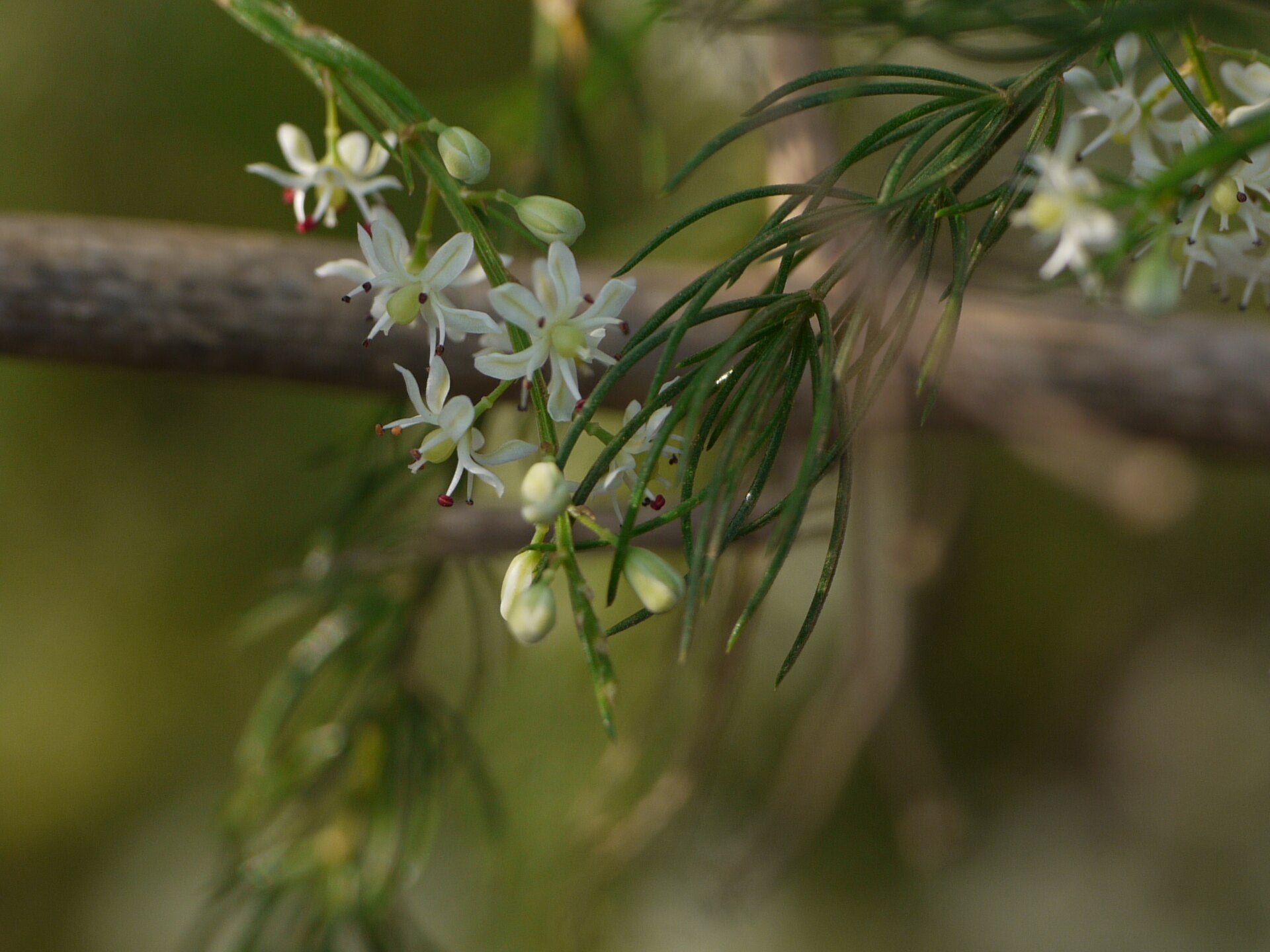
Discover how shatavari, Ayurveda's prized female tonic, supports hormonal balance and intimate wellness. Learn the science, dosing, and forms. Shop Minx Cubes.

Ginkgo biloba supports blood flow through vasodilation. Learn what this botanical does for women's intimate responsiveness and explore our formula.