
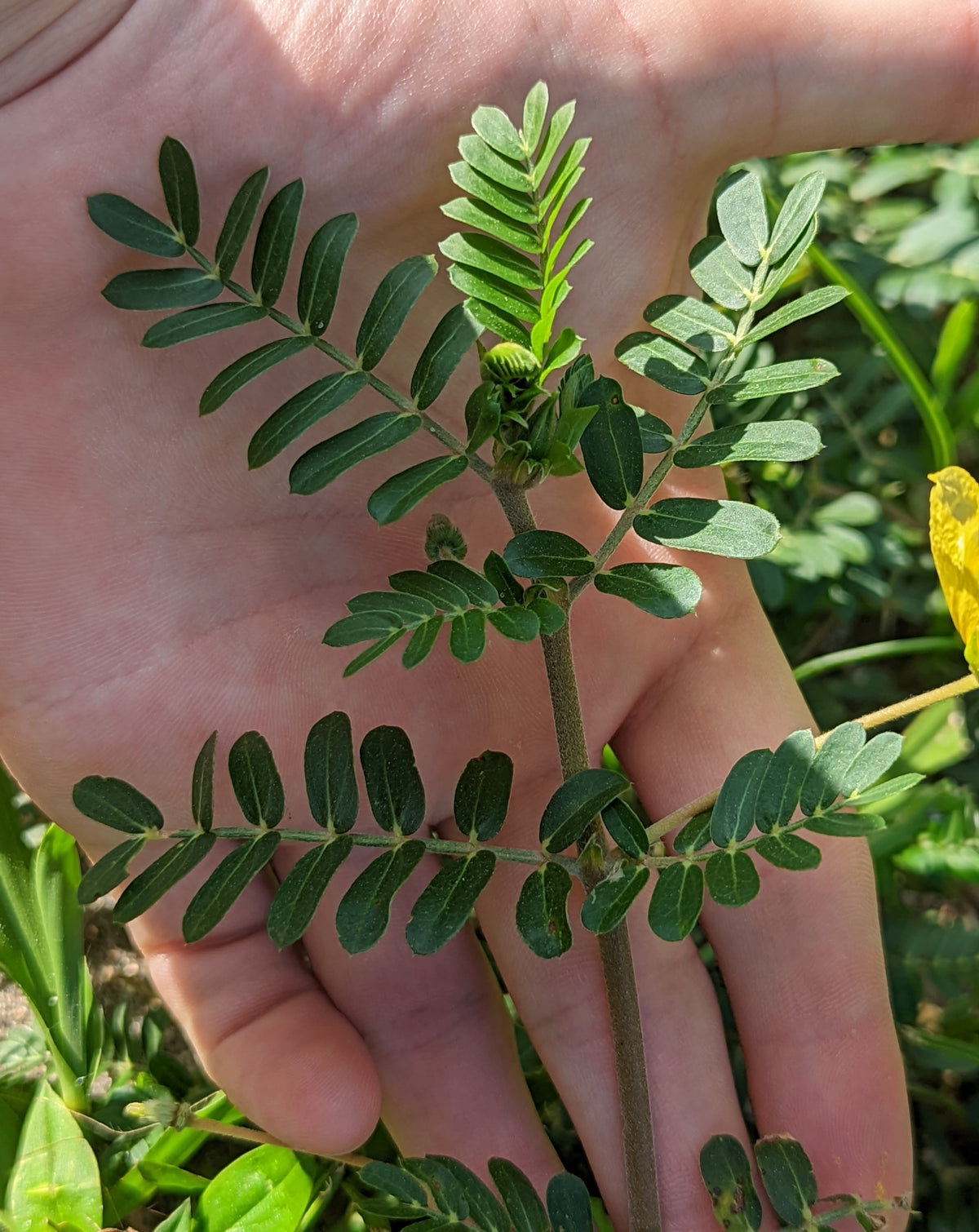
Tribulus Terrestris: What Women Should Know
Tribulus terrestris is a plant extract studied for women's sexual wellness and vitality. Research measures improvements in desire, arousal, and satisfaction using validated questionnaires. Realistic timelines run four to eight weeks of consistent use, and results appear most pronounced in women experiencing natural hormonal shifts.
What Tribulus Terrestris Actually Is
The plant has a long history before anyone coined the term supplement. Tribulus terrestris grows across the Mediterranean basin, parts of Asia, and Africa, where traditional medicine systems used the fruit, leaf, and root for different purposes. Today, most standardized extracts come from the fruit portion, calibrated to their steroidal saponin content, with protodioscin being the compound researchers focus on most.
Separating tribulus from the dramatic marketing claims that surrounded it in the 1990s is worth doing. Early buzz centered on men's athletic performance and testosterone. Follow-up research on that particular claim has been mixed at best. The more consistent findings have emerged in research on women, a detail that often surprises people.
What makes the compound interesting for women differs from what made it a gym staple. It appears to interact with androgen receptors and influence dopaminergic activity. Those are pathways relevant to desire and motivation rather than muscle building. That distinction shapes everything about how to evaluate the evidence.
What the Studies Actually Measure
A fair amount of the research on tribulus and women uses the Female Sexual Function Index, or FSFI. This validated questionnaire scores desire, arousal, lubrication, orgasm, satisfaction, and pain on separate subscales. That specificity matters enormously. When a study reports improvement, it means improvement across those specific, measurable domains, not a vague sense of feeling better.
One frequently cited trial, published in DARU: Journal of Pharmaceutical Sciences, followed pre-menopausal women using a standardized tribulus extract over four weeks. Researchers observed statistically significant improvements across several FSFI subscales compared to placebo. A separate Phytomedicine trial tracked women with reported low sexual interest and found meaningful changes in desire and arousal scores after ninety days of consistent use.
These are not blockbuster effect sizes. Tribulus does not transform experience overnight. What the data suggests is a modest but measurable improvement in the components of sexual function the FSFI captures, particularly in women who start with lower baseline scores.
Published reviews on PubMed continue to call for larger, longer-term trials. That is an honest caveat. The current evidence is promising, not definitive.
How Women's Use Differs From Men's
Men's tribulus research focused almost entirely on testosterone. The theory was that steroidal saponins stimulate luteinizing hormone, which then signals testosterone production. Most controlled trials in healthy men found no significant effect on testosterone levels. That is largely where men's research stalled.
Women's hormonal picture is more layered. Small increases in androgens, negligible for a man at a healthy baseline, can be more meaningful for a woman, particularly during perimenopause when androgen levels naturally taper. The FSFI research supports this. Women with lower initial scores tended to see more movement than those who started higher.
There is also the dopaminergic angle. Protodioscin appears to influence dopamine receptor activity. Dopamine is central to motivation, reward, and the anticipatory phase of desire. This mechanism sits apart from purely hormonal pathways. It may explain why some women notice shifts in mood and curiosity before they register more physical effects.
The practical takeaway: do not evaluate tribulus for women through the lens of men's gym-supplement literature. Different outcomes were being measured, in different populations, using different endpoints.
Realistic Timelines and What to Expect
Four weeks is the minimum window most researchers have used for observing effects. Eight weeks gives a fuller picture. The DARU trial ran four weeks. The Phytomedicine trial ran ninety days. Both found improvements, but the longer protocol captured broader changes across more FSFI domains.
This pattern holds across botanical adaptogens generally. The mechanisms involved, including receptor sensitivity shifts, dopaminergic tone adjustments, and subtle hormonal changes, are not acute. They develop gradually. Day one will not feel like day forty-five. That is how the biology works.
A few practical notes worth keeping in mind:
- Consistency matters more than dose size. Skipping multiple days in a row disrupts the gradual accumulation that makes plant-based compounds effective.
- Sleep quality, current stress load, and overall hormonal health all shape how clearly any effect registers.
- Tracking can help. Many women find a simple weekly journal of energy, mood, and interest gives a clearer signal than waiting to notice something dramatic.
This is not a patience disclaimer dressed up as advice. It is an accurate description of how slow-acting botanical compounds behave over time.
Tribulus Alongside Other Botanicals
Tribulus rarely appears in isolation in well-formulated products, and there are good reasons for that. The pathways it touches, androgen sensitivity and dopaminergic activity, overlap with and complement pathways that other ingredients address through entirely different mechanisms.
Customers often ask us how tribulus fits alongside ingredients like L-citrulline or saffron. L-citrulline converts to L-arginine in the body, which then produces nitric oxide, a molecule central to blood flow and vascular responsiveness. That is a distinct mechanism from tribulus entirely. One works primarily on desire pathways; the other supports physical arousal through circulation. Not redundant at all.
Saffron has its own meaningful body of research around mood and emotional tone, separate from those pathways. Mucuna pruriens is a direct source of L-DOPA, a precursor to dopamine, making its mechanism adjacent to but not identical to tribulus's influence on dopamine receptors. Panax ginseng operates as a classic adaptogen, supporting the body's ability to maintain balance under physical and mental stress. Beetroot, via dietary nitrates, contributes a second nitric oxide pathway.
Sexual wellness involves multiple systems working together: blood flow, hormonal tone, mood, stress response, and desire itself. The team at our shop builds formulations with that broader picture in mind, choosing ingredients that contribute distinct and complementary mechanisms rather than redundant ones.
What to Look for in a Tribulus Product
Standardization percentage is the most important label signal. Research-grade tribulus extracts are typically standardized to 40 to 60 percent steroidal saponins, with protodioscin as the key marker compound. Products that list tribulus without specifying standardization may use raw powder with highly variable active compound content. The label should name the extract type and the standardization target explicitly.
Extract ratio is a secondary consideration. A 5:1 ratio means five grams of raw plant material per gram of extract, but that tells you less than standardization percentage does. Use standardization as your primary quality filter.
Third-party testing is not optional. A certificate of analysis from an independent lab confirms that steroidal saponin content matches label claims, that heavy metals fall within safe limits, and that there is no microbial contamination. If a brand does not publish its COA or make it available on request, that absence is meaningful information about transparency.
Delivery format matters too. Fat-soluble compounds generally absorb better taken with food. Most clinical trial protocols used capsules or tablets taken alongside meals, so that practice is a reasonable standard to follow.
Frequently asked questions
Is tribulus terrestris safe for women to take?
Human trials to date have not reported significant adverse effects at study doses over periods of four to ninety days. Women who are pregnant, breastfeeding, or managing hormone-sensitive conditions should consult a healthcare provider before use. Quality and standardization of the extract matter for both safety and consistency of results.
How long does it take for tribulus to work in women?
Most clinical research on tribulus and women's sexual function runs four to ninety days, with measurable changes typically appearing after four weeks of consistent use. Longer timelines tend to show broader improvements across more domains of sexual function. Missing doses can disrupt the gradual accumulation that makes plant-based compounds effective.
Can tribulus terrestris affect hormone levels in women?
Some research suggests tribulus may support androgen receptor sensitivity and modest androgen activity, which is relevant to desire and energy in women, particularly those whose androgen levels are already within a normal range but toward the lower end. It is not associated with dramatic hormonal shifts in the way pharmaceutical hormone therapies are.
What is the difference between tribulus for women and tribulus for men?
Men's tribulus research focused mainly on testosterone and athletic performance, with mixed and largely inconclusive results. Women's research has focused on validated sexual function measures like the FSFI, and results have been more consistently positive, particularly in women navigating natural hormonal changes. The relevant mechanisms and meaningful outcomes differ significantly between the two populations.
What form of tribulus terrestris is most studied in women?
Most trials have used fruit-derived, standardized extracts calibrated to steroidal saponin content, typically in capsule form taken with meals. Raw tribulus powder without standardization is harder to evaluate against study findings because active compound content varies considerably between batches.
These statements have not been evaluated by the Food and Drug Administration. This product is not intended to diagnose, treat, cure, or prevent any disease.
Written by The Minx Editorial, Women's Wellness Editor.
Read more

Sleep quality directly governs the hormone pulses that fuel desire. Learn how modest sleep debt suppresses libido, and how to support your body naturally.
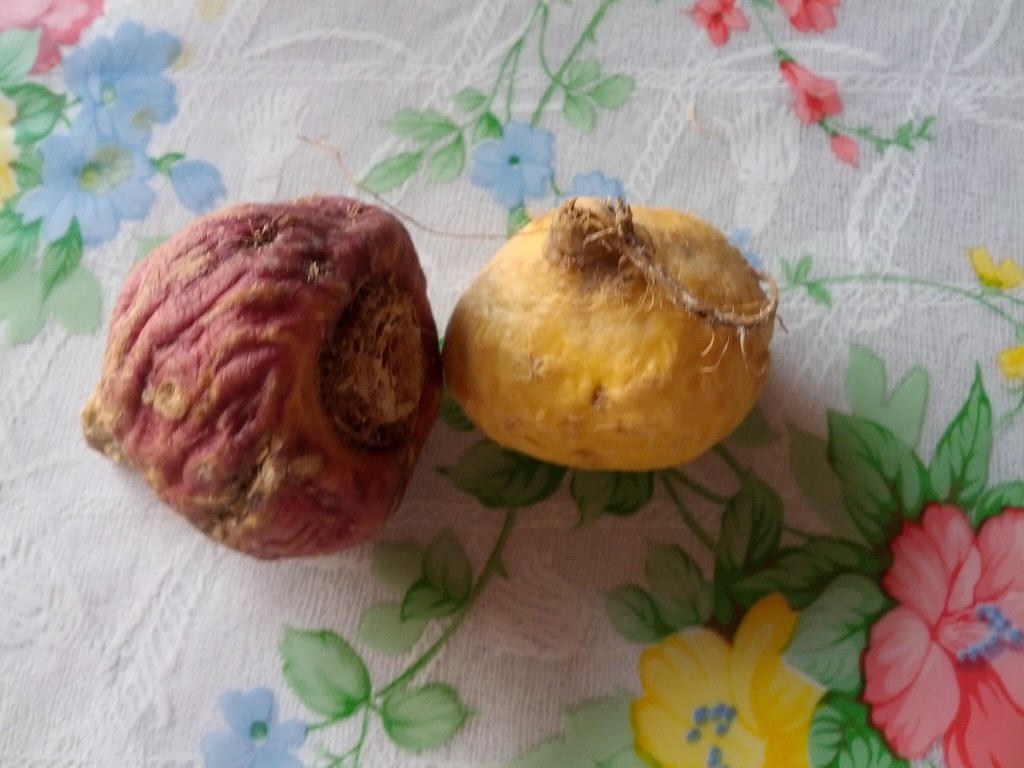
Maca root, grown in the Peruvian Andes, is a true adaptogen. Learn how it supports energy and hormonal balance, and explore the Minx botanical line.