
Why Zinc Matters More Than You Think for Women
Zinc supports over 300 enzymatic reactions in the body, including hormonal signaling, immune function, and skin cell turnover. Women are especially prone to low intake because their top food sources absorb less efficiently. Consistent daily zinc helps maintain the hormonal and cellular processes that support feminine vitality.
What Zinc Actually Does in the Female Body
Zinc is a trace mineral. Your body needs it in small amounts but cannot synthesize it on its own, which means every milligram has to come from food or a supplement. It participates in over 300 enzymatic reactions, from DNA repair to protein synthesis to immune cell signaling.
For women, the hormonal dimension is the part most worth understanding. Zinc is involved in the synthesis and release of key reproductive hormones. It supports the signaling pathways between the hypothalamus, the pituitary gland, and the ovaries, a chain that governs your cycle, your mood rhythm, and much of what determines how you feel week to week.
It is also concentrated in the skin. Roughly 6% of total body zinc resides in skin tissue, which is why zinc has been studied for decades in the context of skin health and repair. It plays a role in maintaining the barrier function that keeps skin resilient and helps promote normal cell turnover.
Signs Women May Not Be Getting Enough
Suboptimal zinc intake is genuinely common. Global estimates suggest more than 2 billion people do not get enough consistently. Women are disproportionately affected, partly because red meat is one of the richest sources and many women eat less of it than men. Plant-forward eaters face an extra challenge: phytates in legumes, whole grains, and seeds bind to zinc and reduce how much the gut actually absorbs.
Some signs women notice when their zinc intake is consistently low:
- Hair that sheds more than usual, especially during washing
- Skin that breaks out more easily or takes longer to supports
- Nails that chip, peel, or develop small white spots
- A low, persistent fatigue that a full night of sleep does not resolve
- Subtle changes in taste or smell sensitivity
- Feeling more run-down than usual when seasonal illnesses circulate
Customers often ask us whether these signs point to true deficiency or just low-normal intake. The more practical question is: are you consistently giving your body what it needs to run these systems well?
Zinc and Hormonal Signaling
Hormones do not work in isolation. Each one is produced, released, transported, and received through a cascade of chemical reactions that depend on cofactors. Zinc is among the most important of these.
Research has shown that zinc supports the release of follicle-stimulating hormone (FSH) and luteinizing hormone (LH), the two hormones that regulate ovulation. Zinc also supports progesterone synthesis in the corpus luteum following ovulation. When zinc is in short supply, these signaling cascades can become less efficient over time.
A review published in Nutrients outlined zinc's involvement in female reproductive function, including its role in helping maintain hormone levels already within a normal range. Zinc does not act as a hormone itself. It helps the systems that produce and respond to hormones function more reliably.
For women in perimenopause or beyond, zinc continues to support immune function, bone metabolism, and skin integrity through mechanisms that extend well past the reproductive years.
Zinc and Feminine Vitality
Feminine vitality is worth defining practically. It is the combination of hormonal rhythm, steady physical energy, skin and mucosal health, and immune resilience that makes you feel like yourself. Zinc supports all of these, not through any single dramatic mechanism, but through consistent involvement in the chemistry that keeps them running.
The mucosal angle is particularly relevant for intimate wellness. Zinc plays a role in maintaining the health of mucous membranes throughout the body. The vaginal environment relies on a healthy microbial ecosystem and balanced pH to stay comfortable and stable. Zinc supports normal immune signaling in mucosal tissue, which helps that ecosystem maintain its equilibrium.
Skin health is tied to this picture too. Hormonal breakouts, dull skin between cycles, and slower healing can all be influenced by zinc status. The mineral supports normal sebum regulation and helps maintain the skin's barrier against environmental stressors. These effects are quiet and cumulative. They compound over weeks, not overnight.
How Much Zinc Do Women Actually Need
The Recommended Dietary Allowance for adult women is 8 mg per day. Pregnant women need 11 mg daily; breastfeeding women need 12 mg. The tolerable upper limit set by the NIH is 40 mg per day, so there is meaningful room between typical dietary intake and too much.
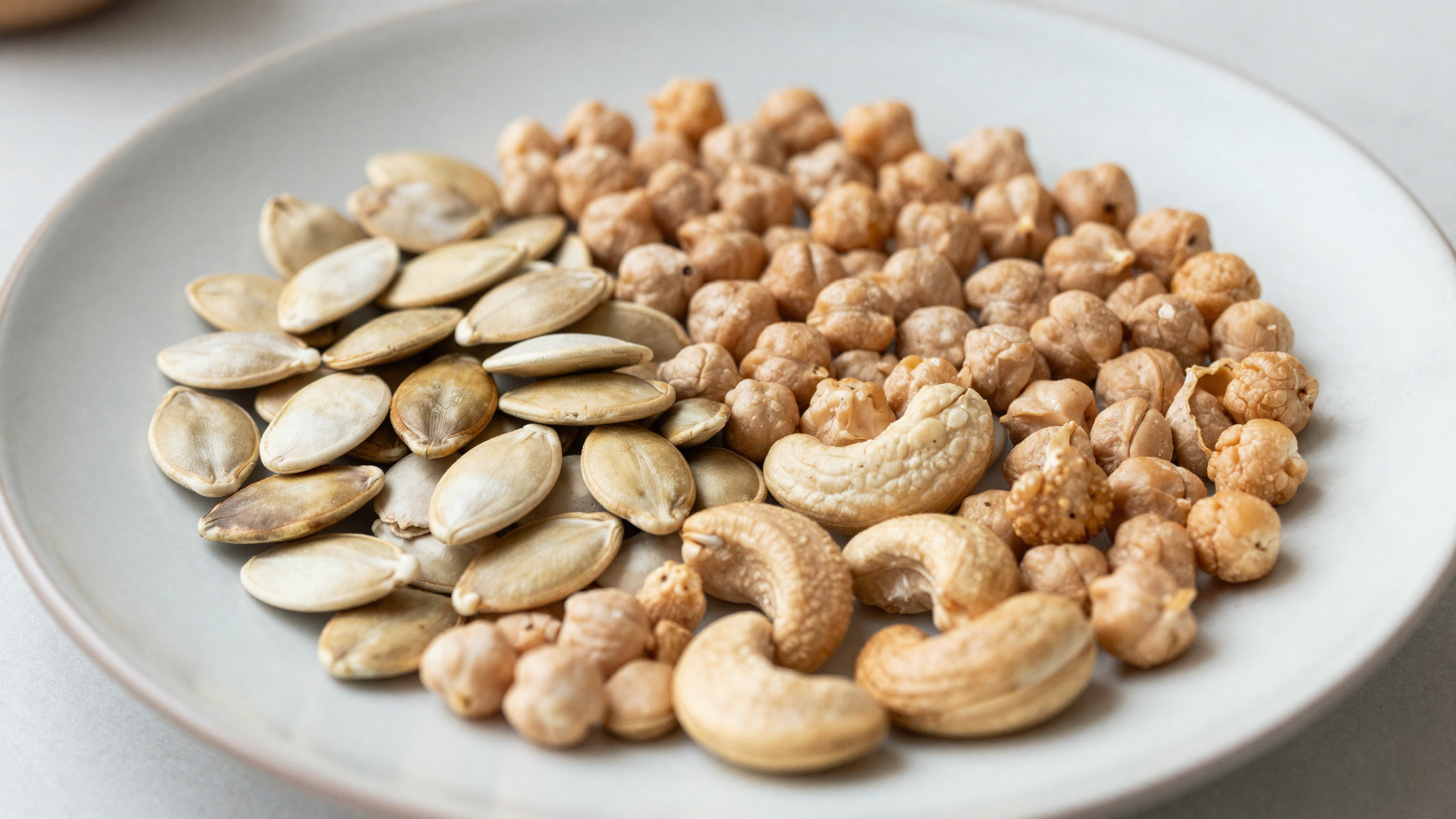
Most women in the US consume somewhere between 6 and 9 mg of zinc from food each day. That sounds close to the target, but bioavailability changes the picture significantly. If you eat a plant-forward diet, the zinc you consume may absorb at a fraction of the rate it would from animal sources. Oysters are the single richest source. One medium oyster can contain 5 to 7 mg. Beef, pumpkin seeds, cashews, and chickpeas follow, but the numbers drop quickly, and phytates in plant sources reduce absorption further.
A supplement providing 10 to 15 mg of absorbable zinc bridges this gap for most women without pushing anywhere near the upper limit. The key word is absorbable. That depends entirely on form.
Choosing the Right Form of Zinc
Not all zinc supplements are equal. The form you take determines how much zinc your cells actually receive.
Zinc oxide is the cheapest and most common form on store shelves. It is also the least bioavailable, with some research citing absorption rates as low as 4%. Zinc sulfate absorbs somewhat better but can irritate the stomach lining. Zinc gluconate and zinc acetate sit in the middle tier, offering moderate absorption with decent tolerability.
The best-absorbed forms are zinc picolinate and zinc bisglycinate, the latter often labeled as chelated zinc. Bound to an amino acid, chelated zinc passes through the intestinal wall more efficiently than its cheaper counterparts. The NIH Office of Dietary Supplements confirms that bioavailability differences between forms are real and clinically meaningful.
In our formula, we chose chelated zinc specifically because what matters is what your cells actually receive, not what the label prints. If you are looking for the right zinc supplement for feminine vitality, form is the first place to look.
Building a Zinc Routine That Sticks
Zinc absorbs best when taken away from calcium and iron supplements, which compete for the same intestinal transport pathways. Taking it with a small meal helps reduce any stomach sensitivity without significantly affecting absorption. Morning or midday works well for most women.
Consistency matters more than timing. A modest daily intake sustained over weeks builds tissue levels more reliably than sporadic high doses. Your body does not store zinc the way it stores fat-soluble vitamins like A, D, or E. Short-term reserves are limited. Regular daily intake is how you maintain steady levels in the tissue that needs it.
One note on testing: serum zinc blood tests exist but are not always a reliable snapshot of your true zinc status. Serum levels can remain relatively stable even when cellular zinc is low. If you are curious about your levels, a functional medicine practitioner can look at multiple markers alongside serum zinc to build a fuller picture. In the meantime, consistent intake from quality food sources plus a well-formulated supplement is a practical starting point most women can act on right now.
Frequently asked questions
How much zinc do women need per day?
The RDA for adult women is 8 mg per day, rising to 11 mg during pregnancy and 12 mg while breastfeeding. Most women fall slightly short due to diet patterns and absorption differences. A supplement providing 10 to 15 mg of chelated zinc helps fill the gap without approaching the 40 mg daily upper limit.
What are the best food sources of zinc for women?
Oysters are the richest source by a wide margin. Red meat, poultry, crab, and lobster follow. Plant sources include pumpkin seeds, cashews, chickpeas, and lentils, though zinc from plant foods absorbs less efficiently due to phytates. Soaking or fermenting legumes and grains can help improve zinc availability from those sources.
What is chelated zinc and why does it absorb better?
Chelated zinc is zinc bound to an amino acid, such as glycine in zinc bisglycinate or picolinic acid in zinc picolinate. This binding helps zinc pass through the intestinal wall more efficiently than unbonded forms like zinc oxide. More of what you take actually reaches your cells.
Can zinc support hormonal balance in women?
Zinc supports the enzymatic processes involved in producing and releasing hormones like FSH, LH, and progesterone. It helps maintain hormonal signaling pathways already within a normal range. Zinc does not act as a hormone itself, but it supports the systems that produce and respond to them.
Is it safe to take a zinc supplement every day?
Yes, for most women, daily supplementation in the 10 to 15 mg range is safe and well within the NIH tolerable upper limit of 40 mg per day. Long-term use at very high doses can affect copper absorption, which is why formulas that pair zinc with a small amount of copper offer better sustained balance.
These statements have not been evaluated by the Food and Drug Administration. This product is not intended to diagnose, treat, cure, or prevent any disease.
Written by The Minx Editorial, Women's Wellness Editor.
Read more
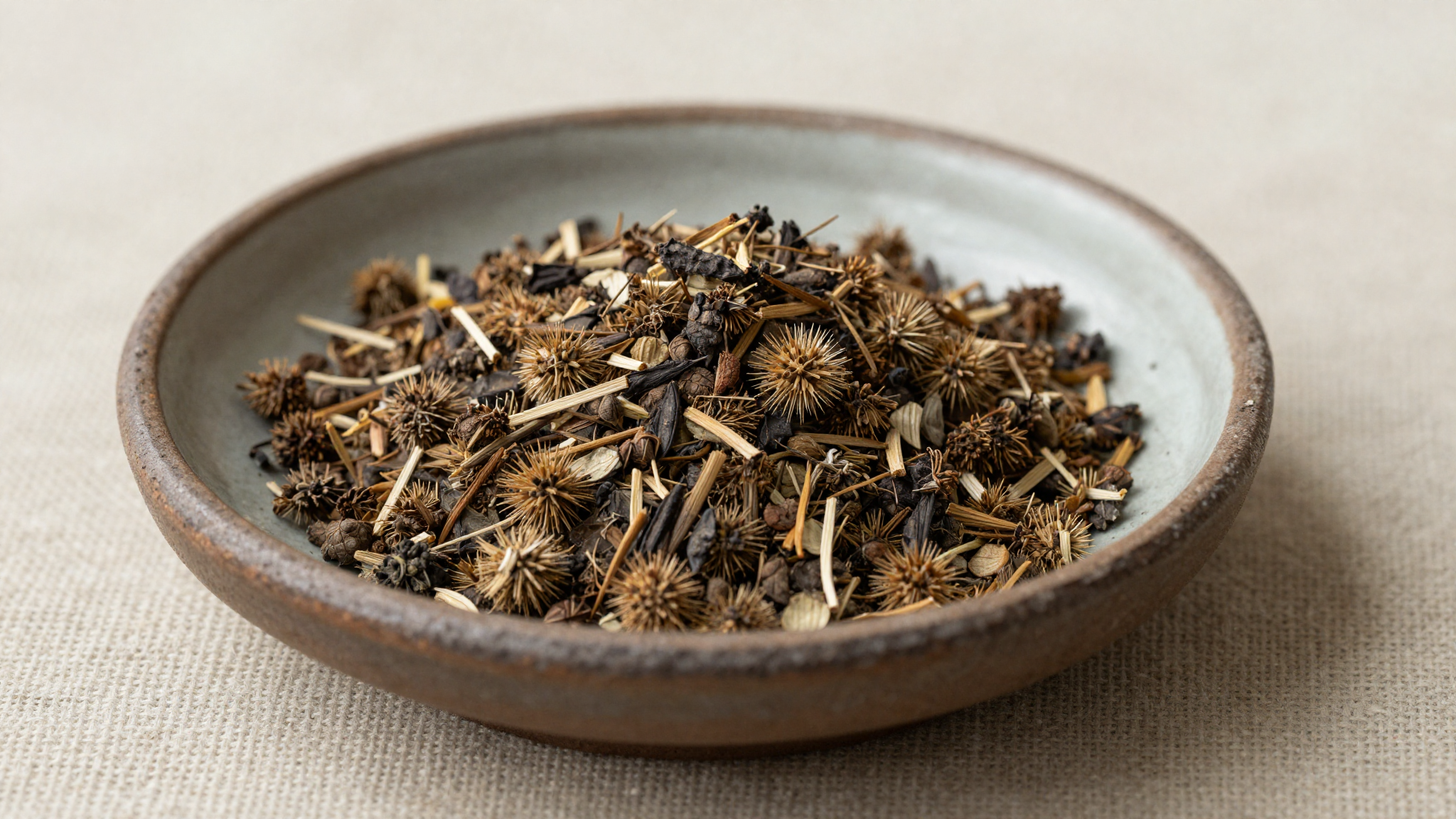
Discover what tribulus terrestris is, how women use it for libido and vitality support, and what to expect from consistent use. Explore MINX Cubes today.
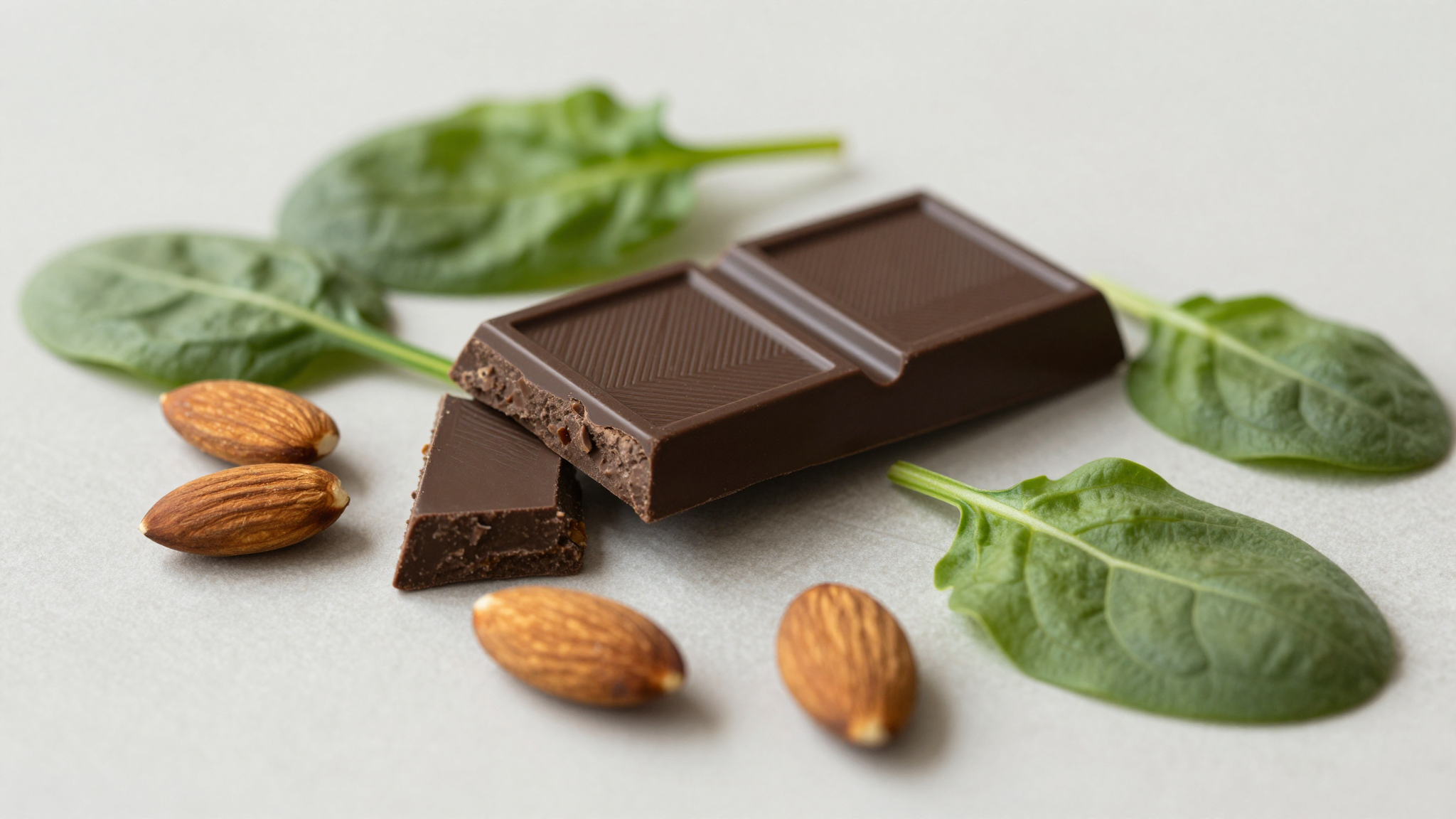
Magnesium supports neurotransmitter balance and may explain cyclical mood shifts in women. Learn which forms absorb best and how to support your mood daily.