

7 Myths About Women's Libido Supplements, Busted
Most beliefs women hold about libido supplements get the science wrong. They don't work overnight, they rarely interfere with hormones, and they're not one-size-fits-all. Understanding what these ingredients actually do helps you choose wisely and set realistic expectations.
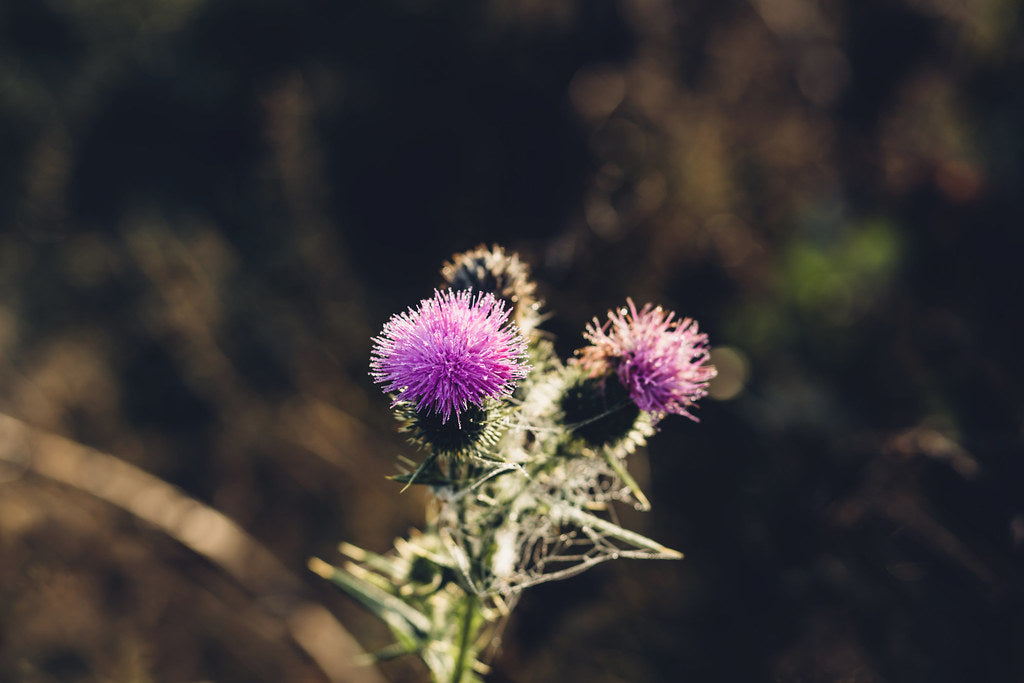
Frank Vincentz / CC BY-SA 3.0 / via Wikimedia Commons
Myth 1: Results Happen in a Day or Two
The most common disappointment women share with us: they try a supplement for three days, feel nothing, and assume it doesn't work. That's not how most botanicals function.
Adaptogens like maca and ashwagandha work through what researchers call repeated-dose effects. The compounds build in your system over time, gradually supporting the pathways tied to stress response, circulation, and vitality. Studies examining maca's effects on desire in women typically ran for six to eight weeks before measuring meaningful changes. Three days simply isn't enough data.
Think of it less like a painkiller and more like a fitness routine. You don't get stronger after one workout. You get stronger because you showed up consistently for weeks.
A practical timeline: most women who use botanical libido supplements report noticing a shift somewhere between week two and week six. If you haven't given it at least four weeks of daily use, you haven't given it a fair trial.
Your sleep quality, hydration, and stress load all influence how quickly any supplement can do its job. Lifestyle factors aren't separate from the formula. They're part of it.
Myth 2: They'll Interfere With Your Natural Hormones
This fear stops a lot of women before they even start. The short answer: most botanical libido supplements don't introduce any exogenous hormones into your body.
Phytoestrogenic plants like red clover or black cohosh are a different category entirely. But ingredients common in libido blends, including maca, ashwagandha, and zinc, work differently. Maca is a cruciferous vegetable. It doesn't contain estrogen. Research suggests it may help the body support hormone levels already within a normal range by working with the endocrine system's own signaling, not by overriding it.
Ashwagandha is an adaptogen. Adaptogens are defined by their ability to help the body maintain equilibrium rather than pushing it in one direction. A growing body of clinical research on ashwagandha and women's wellness has consistently noted a favorable safety profile around hormonal markers in healthy subjects.
That said, if you have a diagnosed hormonal condition or take medications that affect hormone levels, talk to your doctor before adding any supplement. That's common sense, not a scare tactic.
Myth 3: Low Desire Is Purely in Your Head
Here's a myth that actually goes both ways. Some women are told their libido concerns aren't real because nothing looks wrong on a test. Others assume supplements can't help because the issue must be psychological.
The truth is more layered than either framing. Desire has both physical and mental components, and they influence each other constantly. Circulation matters. Blood flow to pelvic tissue directly influences arousal. Cortisol, the stress hormone, competes with the hormonal signals tied to desire. Micronutrients like zinc support testosterone production, which is as relevant for women as it is for men, though women need far smaller amounts.
Sleep deprivation blunts libido measurably. So does chronic low-grade stress, the kind that doesn't feel dramatic but runs quietly in the background for months at a stretch.
Botanical supplements address the physical side of this picture. They can support circulation, help the body maintain cortisol already within a normal range, and supply micronutrients that fill genuine gaps. They don't fix relationship dynamics or emotional blocks. That's honest. But dismissing the physical dimension entirely doesn't serve women well.
Myth 4: One Formula Works the Same for Every Woman
Not true. This is where a lot of women end up disappointed, not because supplements don't work, but because the wrong formula was chosen for their particular body and life stage.
A 24-year-old with high stress and disrupted sleep has different needs than a woman navigating perimenopause. A woman whose desire shifted after going off hormonal contraception is in a different situation than one whose libido has changed after having children. Age, baseline hormone levels, stress load, diet, and even gut health all shape how any botanical ingredient performs in practice.
Customers often ask us which product will work fastest. That question misses the point. The better question is: what does my body actually need right now?
A quality formula targets multiple pathways rather than betting everything on a single ingredient. That's the logic behind blends that combine adaptogens for stress support, botanicals for circulation, and micronutrients as hormonal building blocks. No single compound covers the whole picture on its own.
Myth 5: A Higher Dose Means Stronger or Faster Results
This one seems logical. More is more, right? In practice, it doesn't hold.
Most adaptogenic herbs have a dosage sweet spot. Going above it doesn't produce proportionally stronger effects. In some cases, exceeding the studied dose causes digestive discomfort that simply wouldn't occur at the recommended amount.
Maca is typically studied at doses between 1.5 g and 3 g per day. Taking 6 g doesn't double the benefit. Ashwagandha research clusters around 300 mg to 600 mg of a standardized extract. The active compounds, called withanolides, are what matter. A lower-dose concentrated extract often outperforms a higher-dose crude powder by a meaningful margin.
This is why third-party tested, standardized extracts matter more than raw milligrams on a label. In our formula, we calibrated each ingredient to the dosage ranges reflected in published research, not to an impressive-looking number on the back of the box. The goal is efficacy. Not optics.
Myth 6: "Natural" Means Automatically Safe for Everyone
Natural doesn't mean harmless for every person in every situation. This myth is worth taking seriously.
Some herbs interact with medications. Ashwagandha, for instance, may interact with thyroid medications, sedatives, or immunosuppressants. If you take prescription drugs, a five-minute check with your pharmacist before starting any new supplement is time well spent. That's not fear-mongering. It's basic due diligence.
Quality also varies wildly across this industry. Raw botanical powders can carry contamination risks if sourcing isn't verified. Extracts need to be standardized to the bioactive compounds that actually matter. The gap between a well-made supplement and a cheap bulk powder can be enormous, even when the label lists the same ingredient name.
When you're shopping for the right women's libido supplement to support your routine, asking about third-party testing certificates and standardized extract percentages is entirely fair. Brands that can't answer those questions clearly deserve skepticism.
A body of systematic research on maca and sexual function in women supports the safety profile of well-formulated, properly dosed botanical supplements. But well-formulated is doing a lot of work in that sentence.
Myth 7: These Supplements Are Only for Women With Serious Concerns
This might be the most limiting myth of all. It frames libido wellness as a clinical problem rather than a normal part of taking care of yourself.
Plenty of women who use libido supplements don't have a problem. They want to feel like themselves. They want to maintain the energy and desire that stress, a demanding schedule, or a full season of life have quietly dialed down. That's a valid goal.
Proactive wellness is accepted without question in almost every other domain. You don't wait until your joints ache to take omega-3s. You don't wait until you can't sleep to look at your magnesium intake. Intimate wellness deserves the same early-and-often logic.
The women who get the most from libido supplements tend to start before things feel urgent. Consistency and time matter, as covered in Myth 1. Starting from a baseline of feeling pretty good and wanting to stay there actually makes it easier to notice the cumulative effects as weeks pass.
Frequently asked questions
How long before I notice results from a libido supplement?
Most women report noticing a shift between weeks two and six of consistent daily use. Botanicals like maca and ashwagandha work through repeated-dose effects rather than immediate action. Give any new formula at least four weeks before evaluating whether it's working for your body.
Can I take a libido supplement alongside hormonal birth control?
Most botanical ingredients in libido supplements don't interact with hormonal contraceptives, but formulas vary. Reviewing the ingredient list with your doctor or pharmacist is a quick step that's worth taking, especially if you're sensitive to hormonal changes.
What ingredients are worth looking for in a women's libido supplement?
Maca root (gelatinized for better absorption), ashwagandha standardized to withanolide content, and zinc are among the most studied. Prioritize formulas that list extract standardization percentages and carry third-party testing rather than relying on high raw milligram counts alone.
Is daily use of libido supplements safe long-term?
The adaptogens and botanicals in well-formulated libido supplements are generally studied under conditions of ongoing daily use, and most published research reflects a favorable safety profile. If you have underlying health conditions or take prescription medications, a check with your healthcare provider is always a sensible step.
Can libido supplements support women during perimenopause?
Some ingredients, particularly maca, have been studied specifically in perimenopausal women and may help support comfort and general wellbeing. They don't alter the hormonal changes of this life stage, but they may help the body maintain balance already within a normal range during the transition.
These statements have not been evaluated by the Food and Drug Administration. This product is not intended to diagnose, treat, cure, or prevent any disease.
Written by The Minx Editorial, Women's Wellness Editor.
Read more
Build a morning ritual that supports intimate energy all day. Hydration, movement, and supplement timing, including MINX CUBES®. Start your ritual today.
L-arginine supports nitric oxide and healthy circulation for comfort and sensory awareness. See how MINX Cubes can support your intimate wellness routine.