
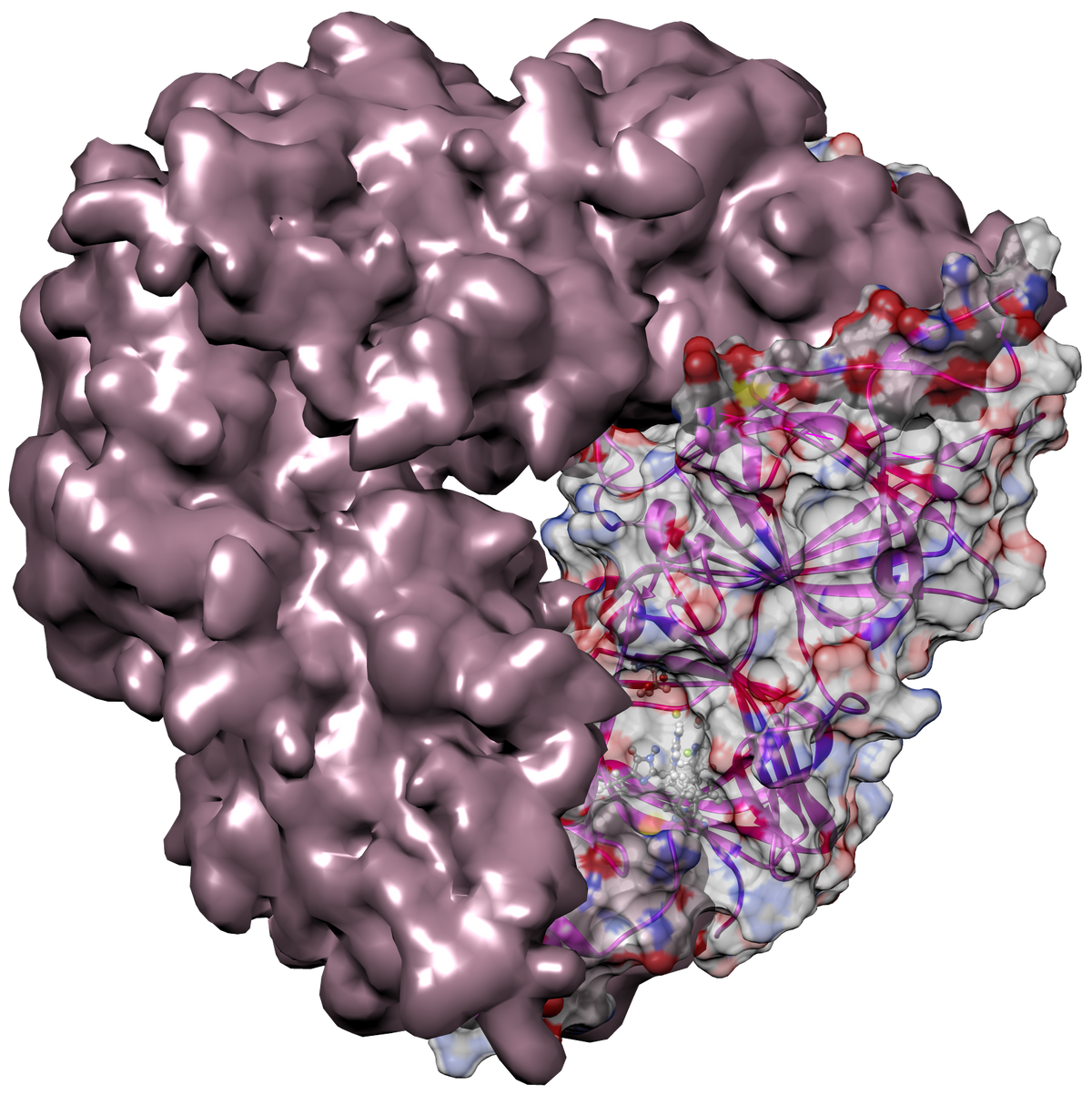
L-Arginine and Sensation: What You Need to Know
L-arginine is an amino acid the body uses to produce nitric oxide, a molecule that helps relax blood vessels and support healthy circulation. Adequate blood flow through microvascular networks supports sensory awareness and physical comfort, making circulatory health one of the most overlooked foundations of intimate wellness.
What Is L-Arginine?
L-arginine is an amino acid. More specifically, it's classified as semi-essential, which means healthy adults can synthesize some on their own, but dietary intake and supplementation play a meaningful supporting role. You'll find it in foods like turkey, chicken, pumpkin seeds, lentils, and soybeans.
The body uses L-arginine in several ways: protein synthesis, creatine production, and as a direct precursor to nitric oxide (NO). That last function draws the most interest from researchers and wellness formulators. It's why L-arginine has become a recognized ingredient in both cardiovascular and intimate wellness circles.
This is not a new discovery. Research into arginine's role in NO production dates back to the 1980s, and the scientists who mapped that pathway received a Nobel Prize in Physiology or Medicine in 1998. The science is well-established. The question is how to apply it practically.
For women, the conversation around circulatory support tends to be underrepresented. Most early research on blood flow and vascular health focused on male subjects. That is changing. A growing body of work now examines how amino acids like L-arginine interact with female physiology, particularly across hormonal fluctuations and reproductive health contexts.
How L-Arginine Supports Nitric Oxide Production
Nitric oxide doesn't get talked about much outside of science circles, but it matters. A lot. It's a signaling molecule produced inside the cells that line your blood vessels, called endothelial cells. When an enzyme called nitric oxide synthase (NOS) converts L-arginine into nitric oxide, the result is smooth muscle relaxation in vessel walls.
That relaxation allows blood vessels to widen. The process is called vasodilation. Better vasodilation means blood moves more freely throughout the body. Healthy nitric oxide production helps maintain blood pressure already within a normal range and supports the body's natural circulatory balance.
Think of it less like a switch and more like a dial. The goal isn't maximum vasodilation at all times. It's supporting the body's ability to regulate that dial effectively, especially in the smaller vessels where changes in flow are most perceptible to surrounding tissue.
Microcirculation and Sensory Awareness
This is where the conversation becomes directly relevant to intimate wellness. Sensory experience depends, in large part, on blood flow. Circulation brings oxygen and nutrients to tissue, supports nerve function, and contributes to the physical awareness of sensation.
Microcirculation refers specifically to blood flow through the smallest vessels: capillaries, arterioles, and venules. These tiny channels handle tissue-level delivery. Areas of the body with dense microvascular networks, including the pelvic region, are particularly responsive to circulatory changes.
When microcirculation functions well, tissues stay responsive. Many women describe a feeling of physical disconnect or reduced sensory awareness without quite knowing why. Circulation is often part of that picture. It rarely gets discussed because the connection isn't obvious, but it does appear consistently in the research.
Supporting nitric oxide production through adequate L-arginine intake is one approach to supporting healthy microvascular function. Not a solution for any specific condition. A way of giving the body the raw materials it needs to do its job.
What the Research Suggests
Customers often ask us whether L-arginine supplementation actually makes a measurable difference. The honest answer is that research is promising, though context matters.
A number of studies have examined L-arginine's effect on circulation and vascular function. Research published in the journal Nutrients found that L-arginine supplementation promoted healthy endothelial function and blood flow in the populations studied. Other work has explored its role in supporting pelvic health, particularly in the context of healthy circulation in reproductive tissues.
A few things are worth knowing about how L-arginine works in the body:
- Oral doses are subject to first-pass metabolism, meaning some is broken down in the gut and liver before reaching systemic circulation.
- Standard doses studied in research typically range from 3 to 6 grams per day.
- Pairing L-arginine with antioxidants such as vitamin C may help preserve nitric oxide activity, since oxidative stress can degrade NO before it reaches target tissues.
- The specific form and companion nutrients in a supplement affect how much L-arginine the body actually uses.
More is not always better. Very high doses can cause gastrointestinal discomfort and are not supported by the research as more effective than moderate, consistent dosing.
Dietary Sources vs. Daily Supplementation
You can increase L-arginine intake through food. Roasted pumpkin seeds deliver roughly 5.4 grams of arginine per 3.5-ounce serving. Turkey breast provides about 2 grams per serving. Lentils and chickpeas are solid plant-based sources. Dairy and eggs contain moderate amounts as well.
Dietary intake has real limitations, though. Absorption rates from whole foods vary with preparation, cooking method, and what's eaten alongside them. Protein-rich meals require the body to distribute amino acid absorption across many competing compounds. Consistent, targeted intake is harder to maintain through diet alone.
Supplementation provides a controlled, predictable dose. It's not a substitute for a varied diet. It fills in the gaps reliably when a specific daily intake is the goal. The NIH Office of Dietary Supplements notes that L-arginine is among the amino acids studied for its role in supporting circulation and blood flow during physical activity.
Building L-Arginine Into Your Routine
An L-arginine supplement works best as part of a broader approach to circulatory and intimate wellness. Hydration, regular movement, and a whole-food-leaning diet all support the same underlying mechanisms. L-arginine supports one piece of that picture.
Timing isn't rigid. Many people take L-arginine away from large protein-heavy meals, since amino acids compete for the same absorption pathways. Morning or early afternoon tend to work well. Consistency matters far more than perfect timing on any single day.
Pay attention to how you feel over weeks, not days. Sensory awareness and physical comfort are shaped by many overlapping factors: stress levels, sleep quality, hydration, hormonal shifts, and circulation. Pairing L-arginine with habits that support those other factors gives your body more to work with.
Give it time. Circulatory changes aren't felt overnight. Most studies that observed meaningful effects used supplementation periods of four to twelve weeks.
Why Formulation and Format Matter
Not all L-arginine supplements are equal. Powder, capsule, tablet, and functional food formats carry different absorption profiles and different daily experiences. An effective supplement is one you'll actually take, every day, without resistance.
In our formula, we've prioritized both ingredient quality and format, because consistency is only possible when the product fits naturally into your routine. The delivery format and companion nutrients are part of the formulation decision, not an afterthought.
Using a supplement in a format you genuinely enjoy changes the daily habit entirely. No measuring, no mixing, no capsules to swallow. For daily use, that ease matters. The people who see the best results with any supplement are the ones who take it consistently, and a format that fits your life makes consistency much simpler.
If you're looking to support nitric oxide production and healthy microcirculation as part of your wellness routine, the MINX Cubes intimate wellness supplement was built with exactly that goal in mind. Clean ingredients, a thoughtful dose, and a format designed for daily use.
Frequently asked questions
How much L-arginine should I take per day?
Research has studied doses ranging from 3 to 6 grams per day for circulatory support. The right amount depends on individual factors, dietary intake, and the specific supplement you choose. Always follow the product's directions and consult a healthcare provider if you're unsure.
Can I get enough L-arginine from food alone?
Whole foods like pumpkin seeds, turkey, and lentils contain meaningful amounts of L-arginine, but dietary intake can be inconsistent. Supplementation provides a more controlled daily dose, which is useful if you're aiming to maintain a specific intake level for circulatory wellness.
How long before I notice any difference?
Circulatory support through L-arginine isn't an overnight shift. Studies that showed meaningful effects on vascular function typically ran four to twelve weeks. Consistent daily use over time matters more than any single dose.
Does L-arginine interact with other supplements?
L-arginine is generally well-tolerated alongside other common supplements. Some research suggests pairing it with antioxidants like vitamin C may help support nitric oxide stability. If you're taking medications or have existing health concerns, speaking with a healthcare provider before adding L-arginine is a good idea.
Is L-arginine safe for women to take regularly?
L-arginine is found naturally in many foods and is considered safe for most healthy adults at the doses studied in research. As with any supplement, pregnant or breastfeeding women should consult a healthcare provider before use.
These statements have not been evaluated by the Food and Drug Administration. This product is not intended to diagnose, treat, cure, or prevent any disease.
Written by The Minx Editorial, Women's Wellness Editor.
Read more

Think libido supplements work overnight or disrupt your hormones? We bust 7 common myths so you can make smarter choices for your intimate wellness.
Discover how damiana leaf's active flavonoids have supported women's wellness for centuries. A deep-dive botanical guide, plus our MINX CUBES® formula.