
Zinc and Magnesium: A Guide for Men's Vitality
Zinc and magnesium support testosterone synthesis and male reproductive health. Both minerals are depleted by sweat, stress, and processed diets, leaving most men below optimal intake. Getting enough of each, in bioavailable forms, helps maintain hormone levels already within a normal range.
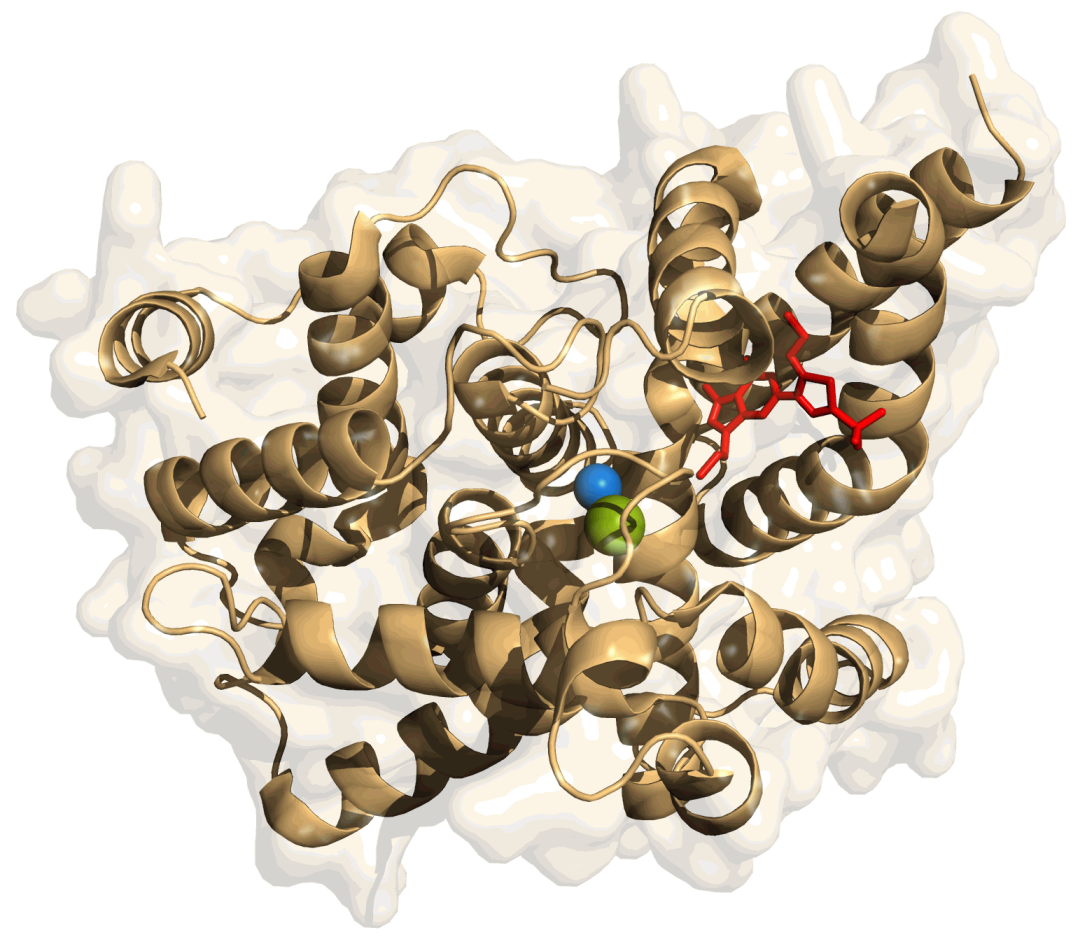
"Phosphodiesterase-5" by Yikrazuul is licensed under CC BY-SA 3.0. To view a copy of this license, visit https://creativecommons.org/licenses/by-sa/3.0/.
The Two Minerals Most Men Are Missing
Testosterone does not appear from nowhere. Its production depends on enzymes, cofactors, and raw materials that the body has to source from food or supplementation. Zinc and magnesium sit near the top of that list, and yet nutrition data consistently shows that a significant portion of men fall below the recommended daily intake for both.
This is not a fringe wellness claim. The National Health and Nutrition Examination Survey found that roughly 45% of Americans do not meet the estimated average requirement for zinc. Magnesium figures are similarly sobering, with many researchers estimating that over half of the U.S. population gets less than the recommended daily amount. Among active men who sweat regularly, those numbers are almost certainly higher.
So before blaming anything else for sluggish energy, slow recovery, or a libido that has quietly tapered off, it is worth asking whether two foundational minerals are simply not present in adequate amounts. For most men, they are not.
How Zinc Supports Testosterone Synthesis
Zinc is classified as an essential trace mineral, meaning the body cannot produce it on its own. Every day, it participates in over 300 enzymatic reactions. Several of those reactions are directly involved in the hormonal cascade that produces testosterone.
Specifically, zinc acts as a cofactor for enzymes that regulate the hypothalamic-pituitary-gonadal axis, the feedback loop that signals the testes to produce testosterone. It is also involved in the activity of 5-alpha reductase, the enzyme responsible for converting testosterone into its more potent forms in certain tissues.
The testes and prostate gland contain some of the highest concentrations of zinc in the male body. Not coincidental. Zinc plays a role in sperm cell formation and motility, supports healthy prostate tissue, and helps maintain levels of luteinizing hormone, the pituitary signal that tells the testes to get to work in the first place.
The NIH Office of Dietary Supplements zinc fact sheet notes that zinc is essential for male reproductive function and that deficiency is associated with reduced testosterone levels. The mechanism is nutritional. When zinc is low, the system slows. When it is replete, the system runs as it should.
Magnesium and Free Testosterone
Magnesium operates through a different mechanism, but the endpoint overlaps significantly with zinc. Its primary connection to testosterone is through sex hormone-binding globulin, commonly called SHBG.
SHBG is a protein that binds to testosterone in the bloodstream, rendering it biologically inactive. Only free testosterone, the fraction not attached to SHBG or albumin, is available for use by cells. Magnesium appears to compete with testosterone for SHBG binding sites, which means adequate magnesium may help support the proportion of testosterone that remains free and active in the body.
Customers often ask us whether total testosterone or free testosterone matters more. Short answer: free testosterone is the fraction that actually enters cells and exerts an effect. Total numbers can look fine on a lab panel while free levels are low, particularly in older men where SHBG tends to rise over time.
Beyond this mechanism, magnesium supports sleep architecture by helping regulate neurotransmitter activity. Sleep is when the bulk of testosterone synthesis occurs. A mineral that promotes deeper, more restorative sleep is indirectly supporting the entire hormonal environment that depends on it.
Why Deficiency Is So Widespread
Both minerals are lost through sweat. A single intense workout session can deplete measurable amounts of zinc and magnesium through perspiration alone. Endurance athletes are particularly at risk, but even moderate gym training creates ongoing loss that diet rarely replaces at the same rate.
Zinc absorption is also blocked by phytic acid, a compound found in whole grains, legumes, and seeds. Health-conscious men often eat these foods in abundance, which creates a counterintuitive situation where a reasonable diet still falls short because the mineral is bound in the gut before it can be absorbed.
Magnesium depletion is accelerated by chronic stress. Cortisol drives magnesium out of cells and into urine. The more stressed a person is, the more magnesium is excreted, which then limits the body's ability to regulate cortisol effectively. It is a cycle that is easy to enter and slow to exit without deliberate replenishment.
Alcohol consumption significantly increases urinary magnesium excretion as well. Even modest, regular intake can erode magnesium status over time. Processed food compounds all of this. Refined grains and packaged foods have had most of their mineral content stripped during manufacturing, so a diet heavy in convenience food provides very little of either mineral regardless of caloric intake.
The Synergy Between Zinc and Magnesium
Zinc and magnesium do not work in isolation from each other. They share overlapping roles in energy metabolism, immune function, and hormonal regulation. Supplementing one without attending to the other addresses half the equation.
The ZMA formulation, a combination of zinc, magnesium, and vitamin B6, has been studied in athletic populations for decades. Published research on magnesium supplementation in men found improvements in both free and total testosterone already within a normal range, with more pronounced effects observed in physically active subjects who were more likely to be depleted from training and sweat loss.
The vitamin B6 component found in many zinc-magnesium formulas is not incidental. B6 helps regulate neurotransmitter synthesis and acts as a cofactor in several of the same enzymatic pathways that zinc participates in. The three nutrients have a documented cooperative relationship.
A combined supplement is more efficient than chasing individual minerals separately. You get the synergistic effect, the correct ratios, and one fewer decision to make each day. That consistency is what produces results over weeks of use.
Form Matters: Not All Supplements Absorb the Same
Not all zinc and magnesium supplements are created equal. The form of the mineral determines how much of it actually gets absorbed, and the differences between forms can be dramatic.
Zinc oxide, the form found in many inexpensive multivitamins, has poor bioavailability. Chelated forms like zinc bisglycinate and zinc picolinate absorb significantly better. Zinc picolinate in particular has shown superior absorption in comparative studies because picolinic acid helps transport the mineral across the intestinal wall.
Magnesium oxide is similarly poorly absorbed despite being the most commonly used form in supplements. It has a pronounced laxative effect at higher doses and delivers relatively little magnesium to tissues. Magnesium glycinate, bound to the amino acid glycine, absorbs through a pathway that bypasses much of the gastrointestinal sensitivity associated with other forms. Magnesium malate, bound to malic acid, is another well-tolerated option that also supports energy metabolism.
In our formula, we chose chelated forms of both minerals specifically to maximize what the body actually receives, not just what is printed on the label. Finding the right zinc and magnesium supplement for your routine starts with looking past the milligrams on the front of the bottle and reading the form listed on the back.
Timing, Dosage, and What to Expect
Zinc is best taken with food to reduce the chance of nausea. It also competes with copper for absorption, so sustained high doses can deplete copper over time. Staying within the 15 to 30 mg daily range for supplemental zinc is appropriate for most men.
Magnesium is particularly well-suited to evening use. Its calming effect on the nervous system supports the transition into sleep, and taking it at night aligns with the natural window when testosterone synthesis ramps up. A typical effective dose ranges from 200 to 400 mg of elemental magnesium, depending on the form.
Do not expect overnight results. Mineral repletion takes time. Most men who have been consistently low report noticeable improvements in energy, recovery, and overall drive after four to eight weeks of consistent daily use.
Think of these minerals not as boosters but as baseline support. You are giving the body what it needs to function as it is designed to. No supplement replaces a poor diet or chronic sleep deprivation, but for men who are eating reasonably well and still falling short on these two nutrients, targeted supplementation is one of the most evidence-grounded choices available.
Frequently asked questions
How do I know if I'm low in zinc or magnesium?
Blood tests can check serum levels, though magnesium status is difficult to assess this way because only about 1% of the body's total magnesium circulates in the blood. Symptoms that may suggest low levels include slow post-workout recovery, disrupted sleep, and reduced libido, though these can have many causes. A healthcare provider can run appropriate panels and help interpret the results in context.
Can I get enough zinc and magnesium from food alone?
In theory, yes. Oysters are among the richest zinc sources available, with a single serving providing several times the daily requirement. Pumpkin seeds, beef, and shellfish are also meaningful sources. For magnesium, dark leafy greens, nuts, and dark chocolate contribute well. The challenge is that absorption from food is variable, sweat loss is ongoing, and stress accelerates depletion faster than most modern diets compensate.
Is it safe to take zinc and magnesium together?
For most healthy adults, supplementing within recommended ranges is well-tolerated. Zinc above 40 mg daily over long periods can interfere with copper absorption. High magnesium doses may cause loose stools, particularly with forms like magnesium oxide. Choosing chelated forms and staying within standard dosing ranges helps avoid most side effects. If you take prescription medications or have a health condition, check with your provider first.
When is the best time to take zinc and magnesium?
Zinc is generally taken with food to support tolerability. Magnesium is often taken in the evening, as it promotes the transition into restful sleep and aligns with the body's overnight testosterone production window. Taking both before bed with a small meal is a practical approach that many men find easy to stick to consistently.
How long does it take to notice a difference?
Mineral repletion is a gradual process. The body does not store zinc or magnesium the way it stores fat-soluble vitamins, so levels rebuild over weeks rather than days. Most men who were genuinely deficient report noticeable improvements in energy, recovery, and libido after four to eight weeks of consistent daily use. Consistency matters more than the exact timing of each dose.
These statements have not been evaluated by the Food and Drug Administration. This product is not intended to diagnose, treat, cure, or prevent any disease.
Written by The Minx Editorial, Women's Wellness Editor.
Read more

Damiana leaf has supported women's wellness for centuries. Explore its traditional roots, active compounds, and why Minx includes it in our daily formula.

Think libido supplements work overnight? Think again. We bust 6 persistent myths about women's libido supplements so you can make smarter, informed choices.