
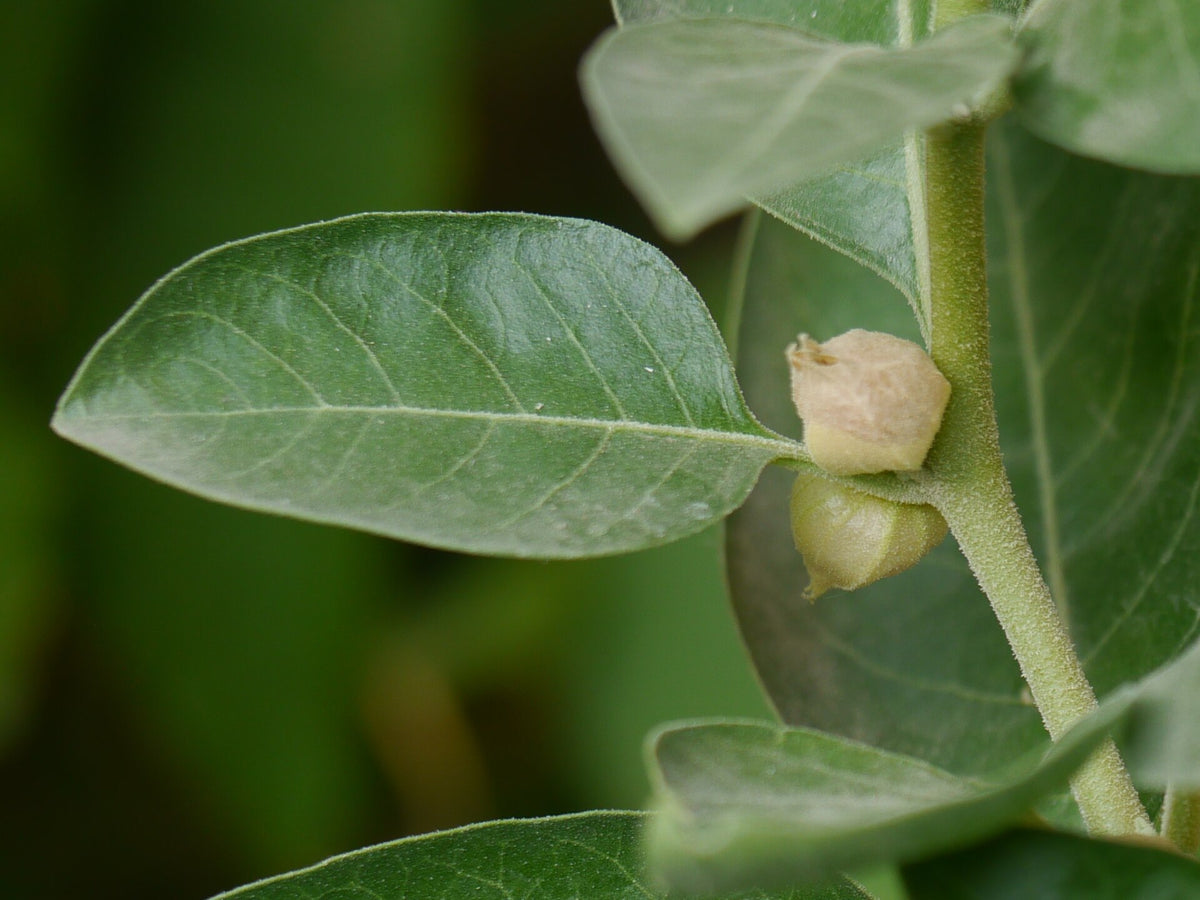
Ashwagandha for Women: A Beginner's Guide
Ashwagandha is an adaptogenic root used in Ayurvedic tradition for more than 3,000 years. For women, its most studied benefit is supporting a healthy stress response by helping the body maintain cortisol already within a normal range. Most research uses standardized extracts at 300 to 600 mg daily, taken consistently over six to twelve weeks.
Dinesh Valke from Thane, India / CC BY-SA 2.0 / via Wikimedia Commons
What Makes Ashwagandha an Adaptogen
Ashwagandha (Withania somnifera) is native to India, North Africa, and parts of the Mediterranean. The root has been a central herb in Ayurvedic practice for more than 3,000 years, used to support energy, stamina, and resilience during demanding periods.
The classification that matters most today is adaptogen. Adaptogens are herbs thought to help the body adapt to physical and psychological demands without overstimulating any one system. The word has been co-opted by marketing, but it has a genuine pharmacological framework behind it: adaptogenic herbs are characterized by non-specific effects that tend to normalize rather than push sharply in one direction.
Ashwagandha's active compounds are a group of steroidal lactones called withanolides. These are what most standardized extracts are measured against. Two products can both say "ashwagandha" on the label while delivering very different withanolide content. That gap explains why results vary so widely across users.
Worth stating clearly upfront: ashwagandha is a food supplement, not a medicine. It does not supports, supports, or prevent any condition. The research explores whether regular use supports normal physiological functions, particularly around stress regulation. That distinction shapes every honest conversation about this plant.
The Cortisol-Vitality Connection
Cortisol is not the enemy. In short bursts, it is exactly what you need. It sharpens focus, mobilizes blood sugar, and readies your body to meet a challenge. The problem arrives when stress becomes a baseline rather than an occasional event.
When cortisol stays elevated over time, it exerts broad downstream pressure. Sleep architecture shifts. Morning energy feels less available. Mood tends to follow the same flattening arc. Customers often ask us why they feel dull even after a full night of rest, persistently elevated cortisol is frequently part of that picture, not the whole story, but a meaningful thread to pull.
The hypothalamic-pituitary-adrenal (HPA) axis is the command center for this response. When the brain perceives threat, the HPA axis signals the adrenal glands to release cortisol. Under chronic demand, this loop runs hot. Ashwagandha's most-studied mechanism involves modulating HPA axis activity, helping maintain cortisol already within a normal range.
A well-designed double-blind, placebo-controlled trial published in the Indian Journal of Psychological Medicine found that adults taking 300 mg of high-concentration ashwagandha root extract twice daily showed meaningfully lower self-reported stress scores over 60 days compared to the placebo group. The serum cortisol data supported the subjective findings. That kind of alignment between objective markers and how people actually feel is worth noting.
What the Research Actually Supports
Supplement research is frequently overclaimed, so let's be precise. The strongest human evidence for ashwagandha clusters around several areas:
- Stress and perceived tension: Multiple randomized controlled trials support ashwagandha's role in helping maintain healthy stress levels in adults under demand.
- Sleep quality: Several trials suggest ashwagandha may promote restful sleep, particularly in people reporting high day-to-day tension. Research published in 2019 and 2020 by groups in India found improvements in sleep onset and overall sleep quality after eight weeks of consistent supplementation.
- Physical performance: A number of sports-medicine studies have explored its effects on cardiorespiratory endurance and muscle recovery in active adults.
- Reproductive hormone support: Smaller trials have looked at ashwagandha's potential to support reproductive hormone levels already within a normal range, though this research is still developing and not yet conclusive.
The evidence is not uniform. Effect sizes vary across populations, dosing protocols differ, and long-term data beyond 12 weeks is limited. What consistently holds is this: standardized ashwagandha taken daily appears to support the body's normal stress-response mechanisms. For women navigating high-demand periods, that is a meaningful finding.
Forms, Standardization, and Dosing Context
Not all ashwagandha products are equivalent. Three extract designations appear most frequently on well-formulated labels:
- KSM-66: A full-spectrum root extract standardized to at least 5% withanolides. The majority of published human trials use this form or something comparable. The studied dose range is typically 300 to 600 mg daily.
- Sensoril: A root-and-leaf blend, often studied at lower doses (125 to 250 mg per day) with a particular focus on stress and sleep support.
- Generic root powder: Lower withanolide concentration, less consistent between batches, and less predictable in practice.
Most adult clinical trials use a daily dose between 300 and 600 mg of a standardized extract. Some protocols split this across morning and evening; others use a single evening dose. Results in published research typically emerge after four to twelve weeks of consistent use. This is a slow-build supplement. Expecting a dramatic shift in the first week is the most common reason people abandon it before the evidence window even opens.
Ashwagandha comes as capsules, loose powder, teas, and as a named ingredient in multi-botanical blends. Comparative bioavailability data across formats is limited. The most practical guidance is this: look for a product that clearly states its standardized extract form and confirms the dose falls within the studied range.
Ashwagandha in the Wider Adaptogen Family
Ashwagandha is the most prominent adaptogen in Western markets right now. It belongs, though, to a much larger family. Panax ginseng, rhodiola rosea, eleuthero, and holy basil each operate through related but distinct mechanisms.
Panax ginseng is arguably the most extensively studied adaptogen globally. Its active compounds, called ginsenosides, are associated with supporting energy, circulation, and physical vitality already within a normal range. Unlike ashwagandha, which tends to have a calming profile, Panax ginseng is considered more stimulating. That distinction makes the pairing of the two an interesting area of formulation work.
Rhodiola rosea is another worth understanding. Cultivated in cold, high-altitude climates, it has been studied for its role in supporting mental endurance and reducing the sensation of fatigue under sustained demand.
Understanding the category lets you read product labels with real confidence rather than trusting packaging claims at face value. Adaptogens are not interchangeable. Knowing what each one does, and for whom, helps you make choices that are actually suited to your goals.
How to Build Ashwagandha Into a Daily Routine
Consistency is the whole point with adaptogens. Unlike caffeine, which you feel within the hour, ashwagandha's benefits are cumulative. Here is a practical starting framework:
- Choose a standardized extract. Look for KSM-66 or Sensoril on the label, or a clearly stated withanolide percentage. Avoid vague "proprietary blend" language if you want predictability.
- Start at the lower studied dose. 300 mg once daily is a reasonable entry point for most healthy adults. Some people move to 600 mg after a few weeks; others find 300 mg sufficient.
- Pick a timing you will maintain. Morning dosing is easy to remember. Evening dosing may support sleep quality more directly. The research does not strongly favor one over the other.
- Track for eight weeks before evaluating. A simple weekly note on sleep quality, afternoon energy, and perceived tension is enough to notice a trend. Adaptogens reward patience and attention.
- Layer it with fundamentals. No adaptogen overrides poor sleep, skipped meals, or unresolved chronic stress. Ashwagandha works alongside a stable routine, not instead of one.
One practical note: if you are pregnant, breastfeeding, or taking any prescription medication, speak with your doctor before starting. Ashwagandha is generally well-tolerated in healthy adults, but the data in those populations is limited, and caution costs nothing.
The Case for Multi-Botanical Formulas
Single-ingredient ashwagandha is a clean, well-researched entry point. Uncomplicated and practical. But a growing category of women's wellness formulas takes a broader approach: combining adaptogens with botanicals that support circulation, mood, or sensory vitality through complementary pathways.
The rationale is straightforward. Physical wellbeing is multi-system. Cortisol regulation is one axis. Blood flow is another. Neurotransmitter balance is a third. A single herb, however well studied, operates on one primary lever. A well-designed blend works across several simultaneously.
You can see that logic reflected in the Minx Cubes formula, which pairs Panax ginseng with saffron, mucuna, L-citrulline, and beetroot. Each ingredient has a distinct physiological role: L-citrulline converts to nitric oxide and promotes healthy circulation; saffron is associated with mood and sensory wellbeing; mucuna carries L-DOPA, a natural dopamine precursor; Panax ginseng contributes adaptogenic and circulatory support; beetroot provides additional nitrate-derived circulation support. It is a different product category than a standalone ashwagandha capsule, but the underlying philosophy, using botanical compounds to support the body's own normal systems, is shared.
If you are new to adaptogens, start simple. Build the ashwagandha habit, note what shifts across eight weeks, and then explore what a well-formulated multi-botanical blend adds when you feel ready to go deeper.
Frequently asked questions
Is ashwagandha safe for women to take every day?
Most published clinical trials use daily ashwagandha for 8 to 12 weeks without significant adverse events in healthy adults. The most commonly reported side effect is mild gastrointestinal discomfort, which typically resolves when the supplement is taken with food. Women who are pregnant, breastfeeding, or taking prescription medication should consult their doctor before starting any new supplement.
How long does ashwagandha take to produce noticeable effects?
Most studies showing meaningful outcomes used supplementation periods of 8 to 12 weeks. The changes build gradually. If you are tracking your response, look for week-over-week trends in sleep quality, morning energy, and everyday tension rather than a single obvious shift. Many people notice something around week 4 to 6, but the full effect window in most trials is longer.
Should I take ashwagandha in the morning or at night?
Both are supported by research. Some trials use morning dosing for stress and energy support; others use evening dosing for sleep quality benefits. Ashwagandha is not a sedative, but its cortisol-modulating properties may help the body shift toward a restful state more readily in the evening. Consistency matters more than timing. Pick the window you will actually maintain.
What is the difference between ashwagandha and Panax ginseng?
Both are classified as adaptogens, but they come from different plant families and carry different active compounds. Ashwagandha contains withanolides and tends toward a calming, sleep-supporting profile. Panax ginseng contains ginsenosides and is more associated with supporting energy, circulation, and physical endurance already within a normal range. Some women find value in both, either as separate supplements or in combination formulas.
Can ashwagandha affect hormone levels?
Some research has explored ashwagandha's relationship with thyroid hormones and reproductive hormones. Existing trials suggest it may help support hormone levels already within a normal range, but this data is preliminary and drawn largely from small studies. Ashwagandha is not a hormone replacement and should not be treated as one. Any concern about hormone balance is worth discussing with a healthcare provider.
These statements have not been evaluated by the Food and Drug Administration. This product is not intended to diagnose, treat, cure, or prevent any disease.
Written by The Minx Editorial, Women's Wellness Editor.
Read more
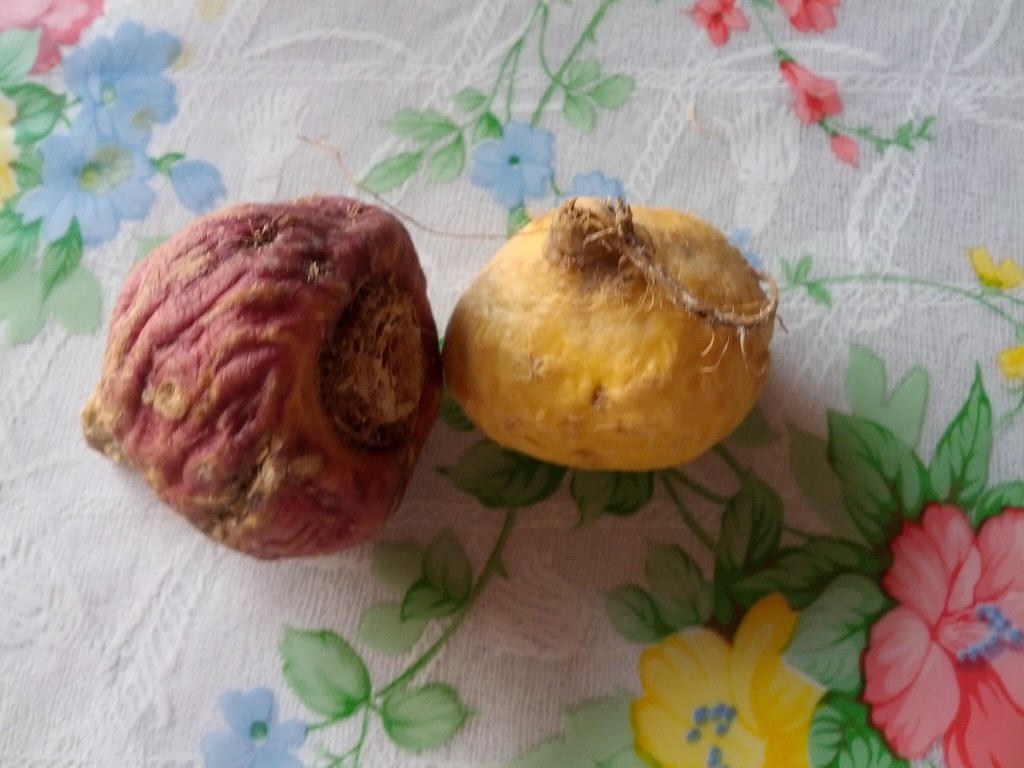
Maca root, grown in the Peruvian Andes, is a true adaptogen. Learn how it supports energy and hormonal balance, and explore the Minx botanical line.

Maca and ashwagandha are both adaptogens, but they feel very different. Learn which one best supports your energy, mood, and vitality for where you are now.