
Ashwagandha and Women's Libido: The Stress Connection
Chronic stress raises cortisol, which competes with the hormones that support sexual desire in women. Ashwagandha is an adaptogenic root shown in clinical research to help the body maintain cortisol already within a normal range, which may support the gradual return of healthy desire over time.
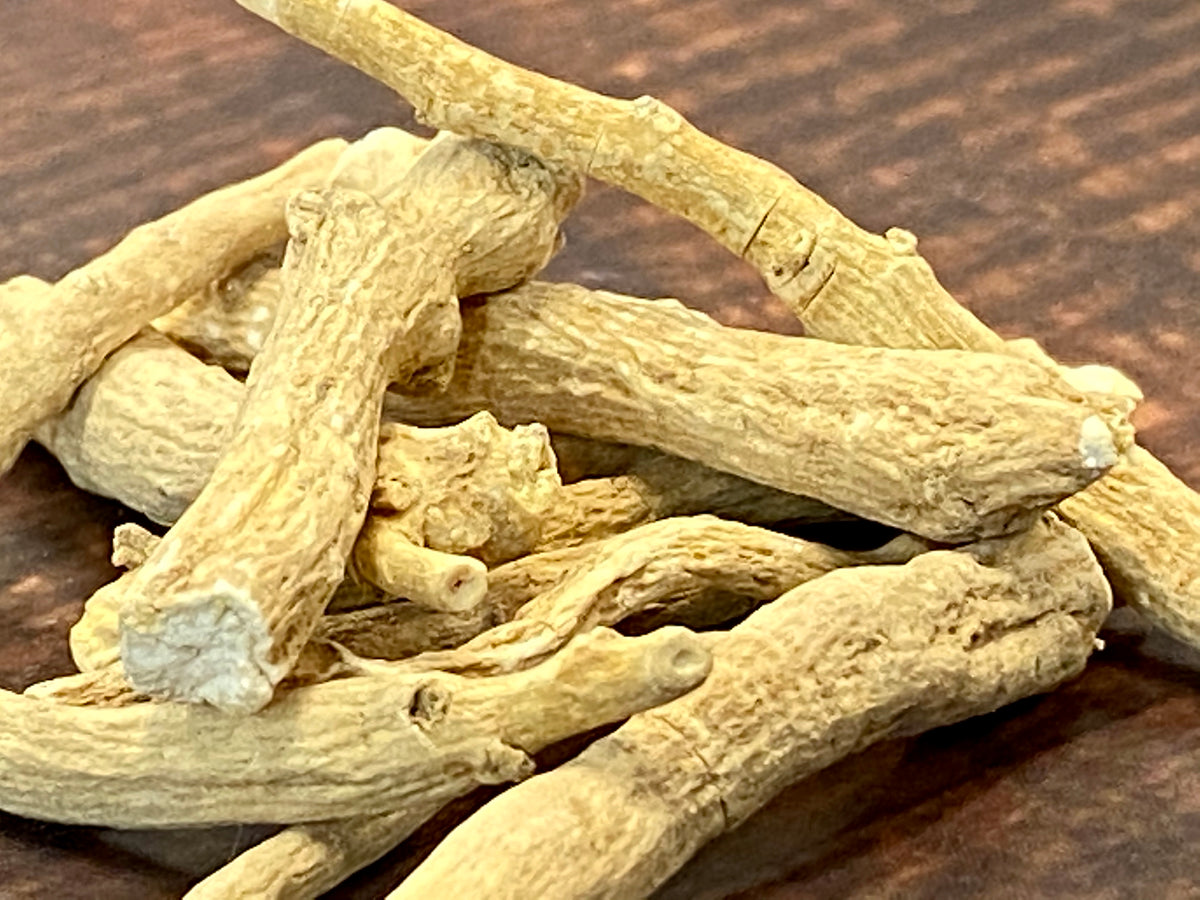
"Ashwagandha Root" by Formulatehealth.com is licensed under CC BY 2.0. To view a copy of this license, visit https://creativecommons.org/licenses/by/2.0/.
How Stress Becomes a Libido Problem
Most women don't need a laboratory to confirm what they already feel: a brutal stretch of stress quietly extinguishes desire. The experience is real. What's worth understanding is the biology behind it, because that's where effective support begins.
When your body reads a situation as threatening, whether a looming deadline, a difficult conversation, or three weeks of disrupted sleep, it activates a response designed for short-term emergencies. Cortisol rises sharply. Blood flow redirects to your muscles. Your attention narrows to whatever feels most urgent.
Sexual desire is not urgent in that context. It waits.
The problem is that for many women, stress is not short-term. It stretches across days, months, years. Cortisol stays elevated. The system never fully returns to baseline. Desire doesn't come back because the signal telling your body it's safe to relax never quite arrives.
This is not a character flaw or a sign something is broken. It's a predictable consequence of sustained stress that affects hormones most people assume are entirely separate from the stress system.
The Cortisol-to-Desire Pathway
Here is where the biology gets specific, and where understanding the mechanism actually helps.
Your adrenal glands produce cortisol using a precursor molecule called pregnenolone. Pregnenolone is also the raw material for DHEA and other hormones that feed downstream into estrogen and testosterone. Under normal circumstances, the body parcels pregnenolone across these different needs.
Sustained stress changes that balance. The adrenal glands prioritize cortisol, drawing heavily on the available pregnenolone supply. Researchers call this dynamic the "pregnenolone steal." The result: less raw material remains available for the hormones that support sexual response in women.
A second mechanism runs in parallel. Chronically elevated cortisol can interfere with the signaling loop between the hypothalamus and the ovaries that helps regulate estrogen and testosterone already within a normal range. Both play a role in sexual desire and arousal for women. A 2019 review in the Journal of Sexual Medicine found that women reporting higher perceived stress consistently scored lower across multiple measures of sexual functioning.
Two distinct pathways. Both pointing in the same direction.
What Ashwagandha Actually Does
Ashwagandha (Withania somnifera) is a root used in Ayurvedic practice for over 3,000 years. It falls into a category called adaptogens: plants that help the body maintain balance during periods of physical or mental stress. But adaptogen is a broad term, and what ashwagandha does specifically is worth naming.
Its active compounds, called withanolides, appear to act on the hypothalamic-pituitary-adrenal (HPA) axis, the system that governs your cortisol response. Research suggests ashwagandha helps moderate the HPA axis response to stressors, supporting cortisol already within a normal range rather than letting it spike sharply and stay elevated.
This is not the same as sedation. Ashwagandha doesn't blunt your ability to respond to genuine urgency. It helps the stress-response system work more proportionally, so that cortisol rises when it needs to and returns to baseline more efficiently afterward.
The most studied extract form is KSM-66, a full-spectrum root extract standardized to at least 5% withanolides. It is one of the few ashwagandha preparations with multiple peer-reviewed human clinical trials behind it, which matters when you're trying to connect a product to actual research outcomes.
What the Research Shows for Women
A double-blind, randomized, placebo-controlled trial published in BioMed Research International in 2015 studied ashwagandha root extract specifically in women. Participants received 300 mg of KSM-66 twice daily for eight weeks. The ashwagandha group showed significant improvements in desire, arousal, lubrication, and satisfaction, alongside a meaningful reduction in distress scores related to sexuality.
A separate 2012 clinical trial measured cortisol directly. Adults taking 300 mg of ashwagandha root extract twice daily for 60 days showed a 27.9% reduction in serum cortisol compared to placebo. That is a substantial shift in a measurable stress marker, not a minor statistical nudge.
Customers often ask us how quickly they should notice a difference. The honest answer: the research runs eight to twelve weeks for a reason. Cortisol patterns don't shift overnight. The effect builds as the HPA axis recalibrates over weeks of consistent use. Week four is often when women report early signs of change. Week eight is when clinical outcomes are typically measured.
Consistency matters far more than timing. Daily use over a sustained period is how the documented benefits accumulate.
Why Form and Dose Make a Real Difference
Not all ashwagandha products are equivalent, and the gap between them is significant.
The doses used in the most-cited clinical trials range from 300 mg to 600 mg of a standardized extract daily. Products that list "ashwagandha blend" without specifying extract ratio or withanolide percentage are difficult to evaluate against that research. Whole root powder, common in lower-cost supplements, contains far less of the active withanolides than a standardized extract at the same listed dose. You can check the label, but if it doesn't specify, assume it's the less concentrated form.
Delivery format also plays a real role in how consistently people use a supplement. A product that requires three capsules and a full glass of water is easy to deprioritize. Something that fits into a daily moment without friction gets used. That's not a minor point. Irregular use at clinical doses produces weaker outcomes than consistent use over time.
That thinking shaped how our formula was built. The ashwagandha daily cube for women uses a standardized full-spectrum extract in a soft, chewable format designed to make consistent daily use easy, not something that requires planning around a meal or a glass of water.
Building a Routine Around Stress Support
Ashwagandha works best as part of a consistent routine, not as a response to an especially difficult week. The research reflects that clearly: benefits accumulate across weeks of daily use, not after a single difficult event.
Pairing it with an existing habit makes it easier to sustain. A morning routine, a consistent mealtime, an evening wind-down. The specific time of day matters less than the regularity.
Sleep is also worth naming here. Some research suggests ashwagandha supports sleep quality already within a normal range. This matters because poor sleep is itself a cortisol driver. Better sleep supports lower cortisol. Lower cortisol supports desire. These systems are connected.
Ashwagandha is most effective as one piece of a broader framework: regular movement, reduced caffeine after midday, intentional rest. None of those other factors are things a supplement replaces. What ashwagandha can do is support one specific, measurable part of the picture, the cortisol load that actively works against desire, while the rest of the foundation is also in place.
Giving Your Body Time to Respond
Sexual wellbeing for women is layered. Relationship dynamics, body image, mental load, sleep, physical health: all of it contributes. One herb is not going to address every variable, and any product that implies otherwise is overpromising.
What ashwagandha targets is a specific, well-documented pathway: chronic stress raising cortisol, cortisol suppressing the hormones that support desire, desire staying low as a result. For women whose libido tracks closely with their stress level, that pathway is the most useful place to focus.
Eight weeks of consistent use at a studied dose. Attention to sleep and basic stress habits alongside it. Notice how you feel at the four-week mark, then again at eight. The shift is rarely dramatic in a single week. It tends to be gradual: a little more interest, a little more ease, a little more recognizably yourself.
Cortisol took time to become a pattern. Shifting that pattern takes time too. The research supports patience here, and the outcomes it documents for women who stay consistent are worth taking seriously.
Frequently asked questions
How long does ashwagandha take to support libido in women?
Clinical trials studying ashwagandha's effects on women's sexual wellbeing typically run eight to twelve weeks. Many women report early changes around weeks four to six. Consistent daily use matters more than the specific time of day you take it.
What dose of ashwagandha is used in the research on women's sexual function?
The most-cited clinical trial used 300 mg of KSM-66 ashwagandha extract twice daily for a total of 600 mg per day over eight weeks. Whole root powder products often contain far lower concentrations of the active withanolides at the same listed dose.
Can ashwagandha help if my low libido seems related to hormones?
Ashwagandha supports the body's ability to maintain hormones already within a normal range by reducing the cortisol load that competes with sex hormone production through the pregnenolone pathway. It is not a hormone replacement and does not address diagnosed hormonal conditions.
Is ashwagandha safe to take every day?
Studies using standardized extracts at 300 to 600 mg daily for eight to twelve weeks have generally reported ashwagandha as well tolerated. If you are pregnant, nursing, or managing any health condition, speak with your healthcare provider before starting a new supplement.
What is the difference between KSM-66 and regular ashwagandha powder?
KSM-66 is a full-spectrum root extract standardized to at least 5% withanolides, the compounds most closely linked to ashwagandha's effects on the cortisol stress response. Whole root powder contains these compounds at lower and more variable concentrations, making it harder to match the doses used in peer-reviewed trials.
These statements have not been evaluated by the Food and Drug Administration. This product is not intended to diagnose, treat, cure, or prevent any disease.
Written by The Minx Editorial, Women's Wellness Editor.
Read more
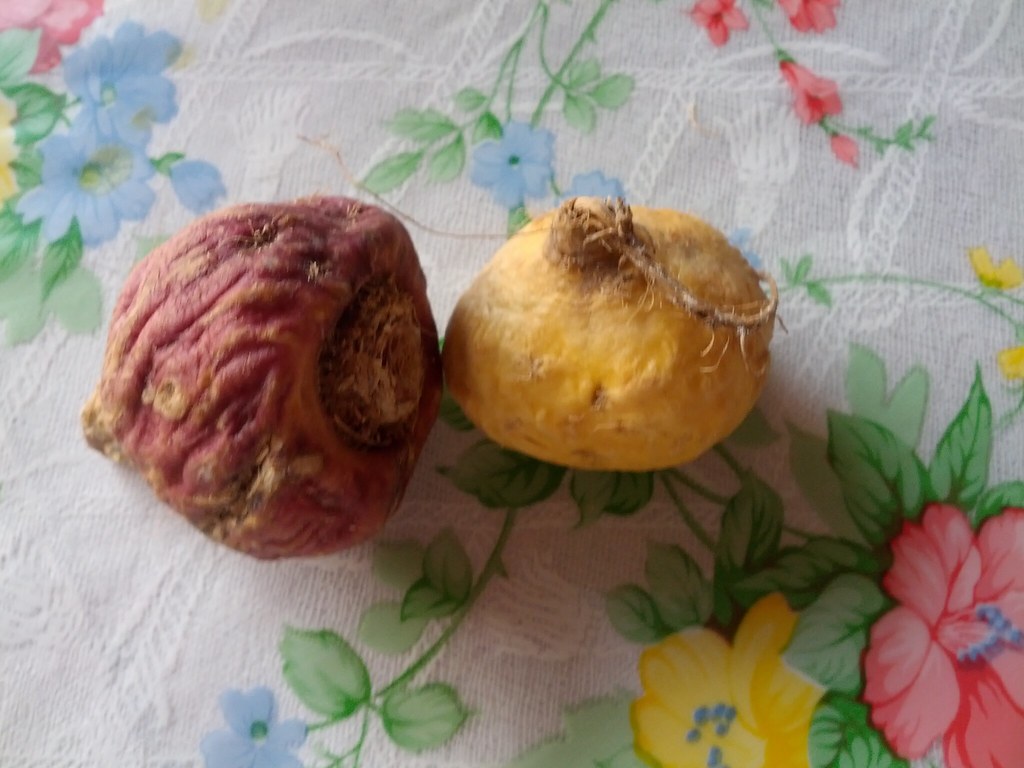
Maca root supports women's energy, stamina, and healthy desire without disrupting hormones. Learn how this Andean adaptogen works, then try Minx Cubes.

Maca or ashwagandha? We compare two leading adaptogens for women's energy and vitality. Find out which herb fits your lifestyle and explore MINX CUBES.