
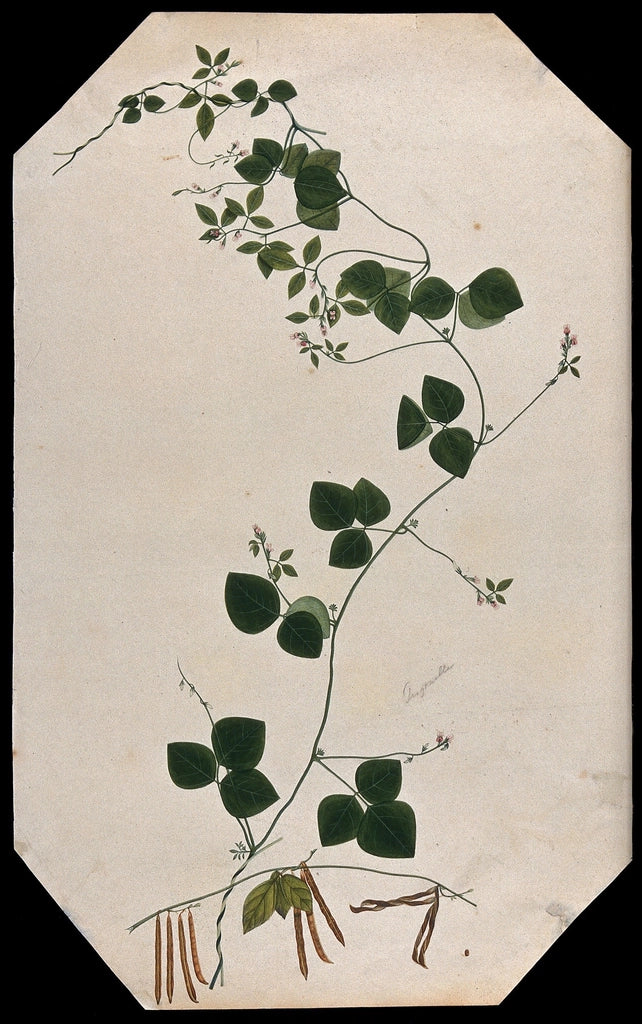
Fenugreek for Women: 5 Things Worth Knowing
Fenugreek is a seed-derived botanical with a long history in women's wellness that most supplement marketing ignores. Its active compounds, furostanolic saponins, interact with hormone pathways to support libido and help maintain hormonal balance already within a normal range. It isn't a men's herb. It just got framed that way.
The Herb That Got Mislabeled
Ask ten people what fenugreek does and nine will say something about testosterone. Sports nutrition absorbed the herb completely somewhere in the 1990s, slapping it onto muscle-builder labels and men's vitality stacks until that became the whole story.
It isn't the whole story. Fenugreek (Trigonella foenum-graecum) has been used across North Africa, the Middle East, and South Asia for thousands of years, and in those traditions, it was primarily a women's herb. Ancient Egyptian texts document its use to support women after childbirth. Ayurvedic medicine lists it as a balya herb, meaning one that promotes strength and vitality in the reproductive system. Traditional North African cooks prepare roasted fenugreek dishes specifically for nursing mothers.
The testosterone framing isn't wrong. Research does support fenugreek's role in helping maintain testosterone levels already within a normal range in men. But that finding got amplified into marketing while the women's research sat quietly in the background. The good news: the science caught up.
If you've dismissed fenugreek as something for the gym crowd, this is the recalibration.
1. Its History Is a Women's History
History matters for botanicals. Not as a substitute for research, but as a map of where to look. When three separate traditional medicine systems across different continents independently reach for the same herb in the context of women's wellness, that consistency is worth investigating.
Fenugreek appears in ancient Egyptian medical papyri dating to around 1550 BCE, referenced in preparations for women. Indian Ayurveda has dedicated preparations that include fenugreek alongside other herbs associated with female reproductive vitality. In parts of Ethiopia and Egypt, fenugreek paste is still eaten by women in the postpartum period, a tradition passed down through generations.
The pattern across these cultures is consistent. Fenugreek appears wherever the goal is to support the female body through transitions: after childbirth, during nursing, in maintaining day-to-day vitality. Traditional practitioners didn't know the mechanism. But the observation that this herb did something useful for women was consistent enough across time and geography that modern researchers eventually started asking why. Those questions are now producing answers.
2. The Libido Research Is Specific to Women
This is the part that surprises most people. The research on fenugreek and female libido is not a footnote or a theoretical extrapolation from men's data. Published randomized controlled trials have focused specifically on women.
One commonly cited study looked at fenugreek extract supplementation in healthy women over eight weeks, measuring sexual function across several domains: desire, arousal, and satisfaction. Scores across all three improved compared to baseline. The mechanism researchers point to is fenugreek's apparent support of androgen levels already within a normal range. Women produce androgens including testosterone, and these hormones have a documented role in female desire and arousal. The primary literature on PubMed covers this in detail if you want to read it directly.
Low desire is not always a psychological issue. Sometimes it is a physiological environment that needs support. A botanical that helps maintain the hormonal conditions for desire is a legitimate tool, not a gimmick.
Customers often ask us why fenugreek specifically, out of all the libido-adjacent botanicals. This research is the answer.
3. It Supports Hormonal Balance, Not Hormone Replacement
Precision matters here. "Hormonal balance" gets thrown around in wellness marketing as a vague promise that means almost nothing. What fenugreek actually does is more specific and more interesting than that phrase usually implies.
The active saponins in fenugreek, particularly diosgenin and related furostanolic compounds, interact with the body's natural hormone production pathways. They don't introduce external hormones. They don't mimic estrogen the way soy isoflavones do. The mechanism is about supporting the body's own regulatory systems, not overriding them.
This distinction matters practically. Phytoestrogens found in soy, flaxseed, and red clover bind directly to estrogen receptors. Fenugreek's saponins work upstream, interacting with production pathways that influence how much hormone your body makes. If levels are already optimal, fenugreek is unlikely to push them higher. If they've drifted lower than feels right, it may help maintain levels already within a normal range.
Think of it as a regulatory nudge rather than a hormonal addition. That's a meaningful difference in how you'd evaluate whether it's right for you.
4. The Nursing Connection Has Clinical Backing
Fenugreek's oldest documented use in women's health is as a galactagogue, a substance that supports milk production. This is one area where traditional knowledge and modern clinical research have moved toward each other most clearly.
Several small trials have looked at fenugreek tea and standardized extract in nursing women and found positive signals for milk volume. The effect size varies by study, but the direction is consistent. The National Center for Complementary and Integrative Health lists fenugreek as one of the most commonly used galactagogues globally, reflecting both the traditional use and the ongoing clinical interest.
Standard guidance applies: if you're pregnant, nursing, or managing any health condition, talk with your healthcare provider before adding any botanical supplement. That includes fenugreek.
The nursing connection matters here not just as a standalone fact but as context for the herb's overall profile. Fenugreek has been studied specifically in women because it has documented, meaningful effects in women. That research base didn't happen by accident.
5. The Form You Choose Determines the Effect
Fenugreek seeds are easy to find. Any Indian grocery store carries them for a few dollars a bag. But eating raw seeds is not the same as taking a well-formulated extract, and the difference is not minor.
The active furostanolic saponins are present in raw seeds at low concentrations. Reaching the amounts used in clinical research through whole seeds would require quantities that are unpleasant to eat and would turn your sweat faintly maple-scented, thanks to a compound called sotolon. Harmless. Still worth knowing before you commit to the kitchen approach.
Standardized extracts solve the problem. A well-made extract is concentrated to a specific saponin percentage, typically 40-50% furostanolic saponins by weight. This delivers a precise, consistent dose in a small capsule without the digestive load or the aromatic side effects of raw seeds.
In our formula, the fenugreek extract is standardized for its furostanolic saponin content specifically, not just for general fenugreek presence. The label shows it clearly. Choosing an herbal intimate wellness formula that discloses its standardization is a simple, concrete way to filter for quality before you buy.
How to Work It Into Your Routine
Botanicals generally work best as consistent daily habits rather than occasional additions. Fenugreek is no exception.
Most research uses daily dosing over several weeks. Eight weeks is a common trial length for libido studies. Looking for dramatic results in the first few days isn't the right frame. Consistency over time is the mechanism.
A few practical points:
- Take it with food. The soluble fiber in fenugreek can occasionally cause mild digestive sensitivity on an empty stomach. A meal buffers that.
- Give it time. Four to eight weeks of daily use is a reasonable window to assess whether you're noticing a difference.
- Look at the whole formulation. Fenugreek paired with complementary botanicals can compound the effect. Single-ingredient formulas aren't wrong, but well-designed combinations often work better.
The goal isn't to fix something broken. It's to support a system that's already working, so it keeps working well.
Frequently asked questions
Is fenugreek safe for women to take daily?
For most healthy adult women, daily fenugreek supplementation at standard extract doses is well-tolerated. As with any botanical, talking with your healthcare provider is a sensible step, particularly if you have existing health conditions or take prescription medications.
How long does fenugreek take to support libido?
Clinical research typically runs eight-week trials, and that's a reasonable expectation to work from. Some women notice changes sooner, but consistent daily use over a month or more is the right framework. Short-term expectations tend to lead to premature conclusions about whether something is working.
Does fenugreek raise estrogen levels?
Not in the way phytoestrogens like soy isoflavones do. Fenugreek's furostanolic saponins interact with hormone production pathways rather than binding directly to estrogen receptors. The effect is about supporting the body's own regulatory systems to help maintain hormone levels already within a normal range.
Is fenugreek the same as a phytoestrogen?
No. Phytoestrogens found in soy, red clover, and flaxseed bind directly to estrogen receptors. Fenugreek's active compounds work upstream from that, influencing how your body produces hormones rather than mimicking them at the receptor level. It's a different mechanism with different implications.
Why does fenugreek sometimes cause a maple syrup smell?
A compound called sotolon, naturally present in fenugreek seeds, is metabolized and excreted through sweat and urine. The smell is harmless and typically fades once supplementation stops. Standardized extracts at standard doses tend to produce a less noticeable effect than large quantities of raw seeds.
These statements have not been evaluated by the Food and Drug Administration. This product is not intended to diagnose, treat, cure, or prevent any disease.
Written by The Minx Editorial, Women's Wellness Editor.
Read more
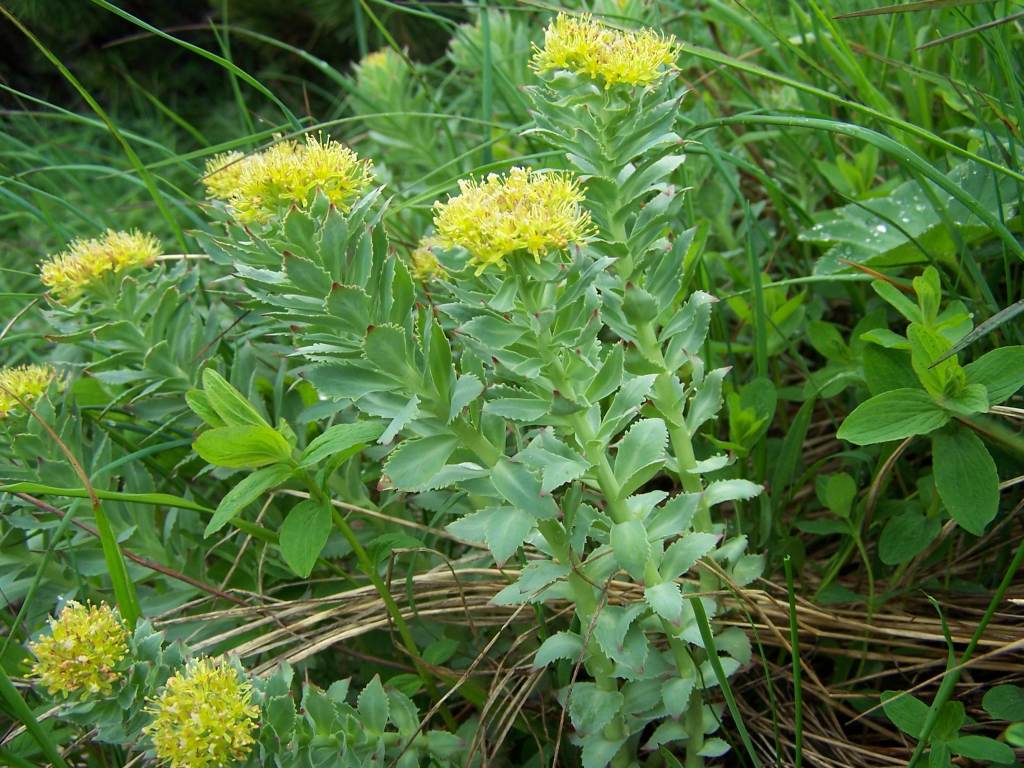
Rhodiola rosea supports mental stamina and resilience in women. Learn how this adaptogen helps you stay sharp under sustained pressure. Explore Minx Cubes.
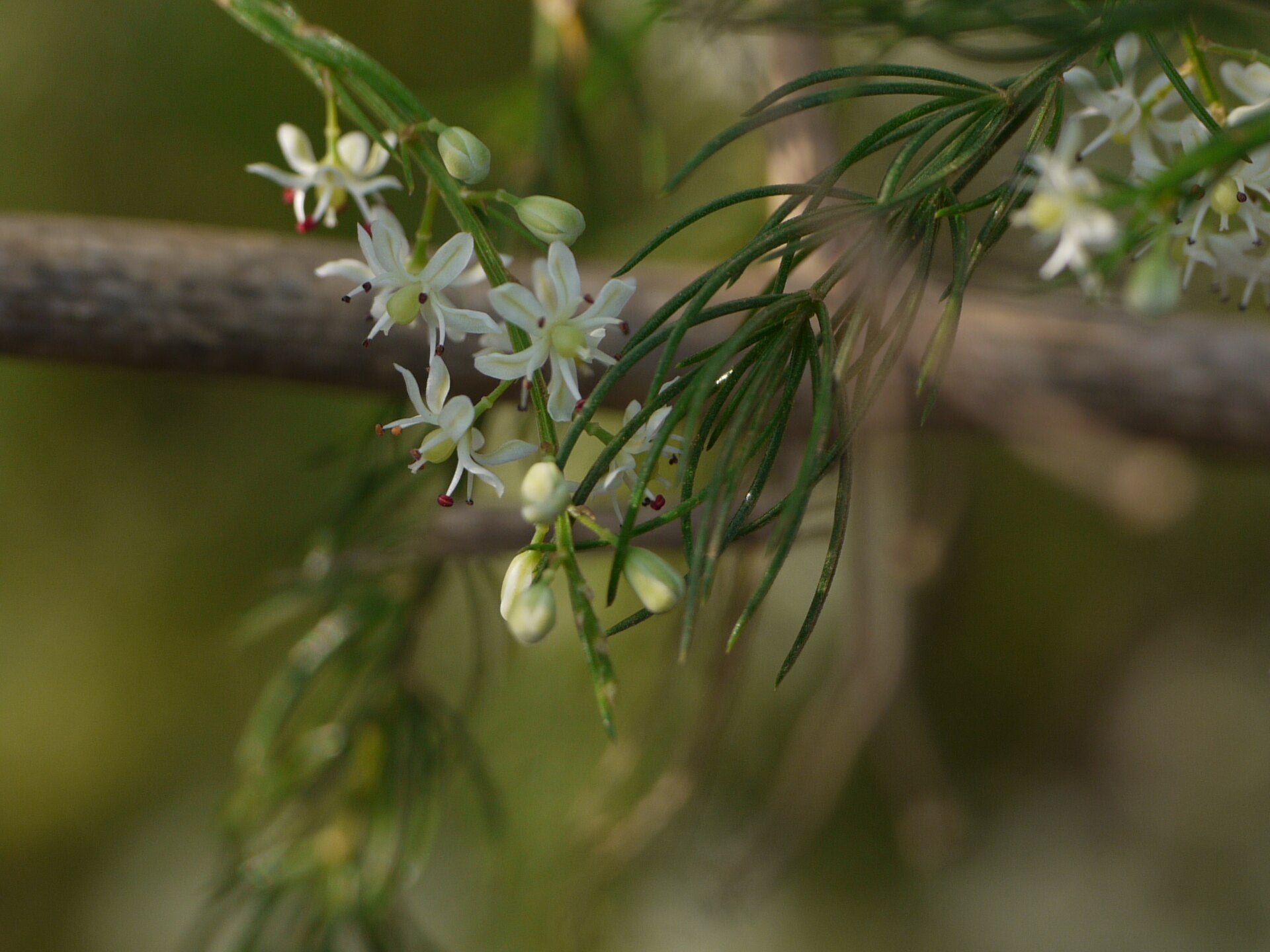
Discover how shatavari, Ayurveda's prized female tonic, supports hormonal balance and intimate wellness. Learn the science, dosing, and forms. Shop Minx Cubes.