

What Maca Root Actually Does for Your Energy
Maca root is a Peruvian plant containing unique compounds called macamides and macaenes. These may support the body's natural energy systems by helping maintain healthy stress hormone levels already within a normal range. Unlike caffeine, maca does not stimulate the central nervous system, so there is no crash afterward.
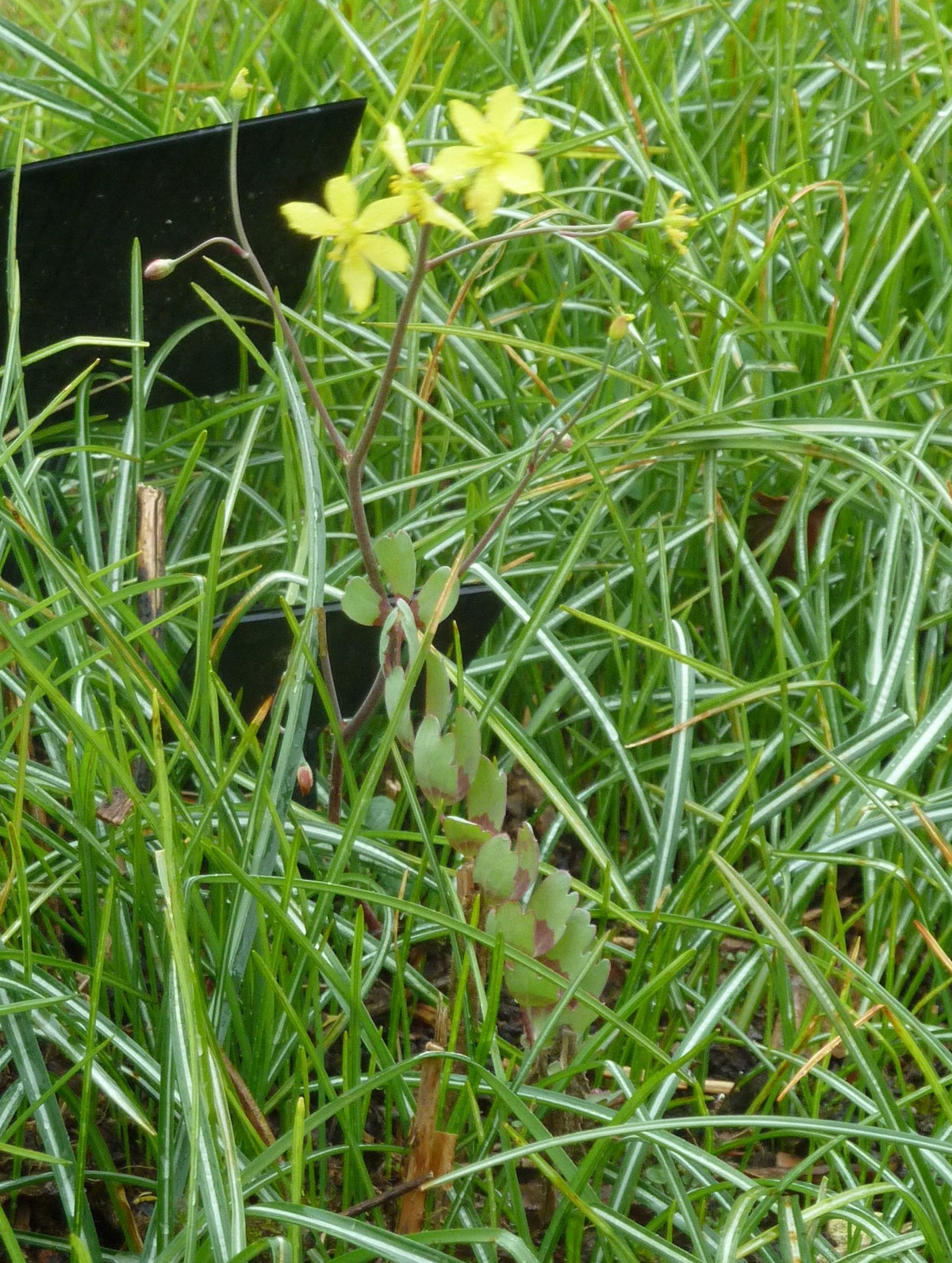
"Maca root" by tacowitte is licensed under CC BY 2.0. To view a copy of this license, visit https://creativecommons.org/licenses/by/2.0/.
What Maca Root Is and Where It Comes From
Maca, or Lepidium meyenii, grows at altitudes above 4,000 meters in the Peruvian Andes. That environment is harsh. Cold, thin air, intense UV exposure. The plant has survived there for thousands of years, and so have the people who have eaten it.
Inca warriors reportedly consumed maca before battle to support stamina. Peruvian farmers have used it as a staple food for centuries. That long history of use is part of why researchers began studying it seriously in the late 1990s.
Today, maca is classified as a root vegetable, not a drug or a medicine. It comes in three main color varieties: yellow, red, and black. Yellow maca is the most widely grown and the most studied for general energy support. Red maca has been linked more often to hormonal balance in women. Black maca appears most frequently in research on physical performance and cognitive support in men, though all three are used across genders.
Most commercial products use yellow maca, which is what you will typically find in powders, capsules, and now, formats like the soft chews in our formula.
The Compounds Behind the Effect
Maca does not work the way caffeine works. That distinction matters. Caffeine blocks adenosine receptors, which creates a feeling of alertness but also sets up a rebound when it wears off. Maca operates through a different set of pathways entirely.
The key bioactive compounds in maca are macamides and macaenes. These are fatty acid derivatives unique to the plant. Researchers have found that macamides may interact with the endocannabinoid system, which plays a role in how the body manages stress responses, mood, and energy regulation.
Maca also contains glucosinolates, alkaloids, and a range of micronutrients including iron, zinc, and iodine. These support various physiological functions. The iron content supports healthy oxygen transport, which matters for physical energy. Zinc plays a role in supporting testosterone levels already within a normal range.
One study published in the International Journal of Biomedical Science found that maca supplementation was associated with improvements in energy and mood in postmenopausal women over a 12-week period. The results were meaningful enough to justify continued research into these mechanisms.
How Maca Supports Sustained Energy
The word sustained is important. Maca does not give you a spike. Customers often ask us how they will know it is working, and the honest answer is that you may not notice a dramatic shift on day one. That is actually a feature, not a flaw.
What maca appears to do is help the body handle the output demands placed on it over time. The hypothalamic-pituitary-adrenal axis, or HPA axis, governs how the body produces and responds to cortisol. When this system is running well, energy levels tend to feel more consistent throughout the day. When it is not, the result is that familiar afternoon slump or the feeling of being wired but exhausted.
Maca contains compounds that may support healthy HPA axis function, helping to maintain cortisol levels already within a normal range. That is different from blocking cortisol production or artificially stimulating energy output.
Research supports this picture. A 2009 study in the Journal of Ethnopharmacology found that male cyclists who consumed maca extract for 14 days improved their 40-kilometer time trial performance compared to a placebo group. Not a massive sample, but a clean signal. Sustained performance, not a spike.
Maca and Hormonal Balance in Women
This is where maca gets specifically interesting for women. The plant does not contain hormones. It does not act like estrogen or progesterone in the body. But it may support the glands and systems that produce those hormones.
The mechanism is sometimes described as endocrine modulation. In simpler terms: maca may help the body's hormone-producing systems maintain their own balance, rather than introducing external hormones into the mix. This is why it is often included in formulas for women who want to support mood, libido, and cycle regularity without the use of phytoestrogens.
Several studies have specifically examined maca in peri- and postmenopausal women. Results suggest that maca may support healthy estrogen and FSH levels already within a normal range. Participants also reported improvements in feelings of vitality and mental clarity during these periods.
Black maca has been studied separately for cognitive support. A small but consistent body of research suggests it may play a role in maintaining memory and learning performance. The human research is still early. But it adds another dimension to the energy picture. Mental energy and physical energy are closely connected, and maca appears to address both.
Why Format Affects Your Results
The best supplement is the one you actually take. That sounds simple. It is the real reason format matters.
Maca powder is potent. But it has a strong, earthy taste that many people find difficult to incorporate into daily life. You can blend it into smoothies, but that requires prep. Capsules work, but they require swallowing multiple pills per serving. Both formats create friction, and friction erodes consistency.
The cube format was built around one insight: ritual creates consistency, and consistency is what produces results with plant-based supplements. The Minx Cubes soft chew formula is designed to take at the same time every day with nothing else required. No prep, no measuring, no taste barrier to push through.
Maca's effects are cumulative. Studies showing meaningful results typically ran between four and twelve weeks. That window only works if intake is actually consistent. A format that removes friction is not just a convenience feature. It is the mechanism of efficacy.
What to Expect Week by Week
Most people using maca for the first time have one question: how long? Here is a rough framework based on available research and user feedback.
- Weeks one and two: You may notice little or nothing. Maca is building in your system. Some people report slightly more motivation toward the end of this window, but do not expect a clear signal yet.
- Weeks three and four: This is typically when the first noticeable effects appear. More sustained energy across the day, fewer afternoon slumps, slightly improved exercise output. Some users also report that sleep quality improves during this period.
- Weeks six through twelve: The fuller picture emerges. People who stay consistent often report that their baseline energy feels higher, that mood is more even, and that physical performance has quietly improved.
None of these outcomes are designed. Individual response varies based on diet, sleep, baseline stress levels, and other factors. But maca is not the kind of supplement that works in a single dose. Plan for a minimum four-week trial before forming a real opinion about whether it is right for you.
Not All Maca Is Equal: What to Look For
Quality varies significantly in the maca market. This matters because it directly affects what you actually get from a supplement.
Raw maca powder has higher concentrations of glucosinolates but can be harder on digestion. Gelatinized maca has been heat-processed to remove the starch, making it easier to absorb and gentler on the stomach. Most clinical studies use standardized extracts, not whole raw powder.
Macamide content is worth examining on any label. Premium products are standardized to a specific percentage of macamides, typically between 0.5% and 1.2%. Without standardization, you cannot know what you are getting dose to dose. That matters when consistency is everything.
Origin also plays a role. Maca grown in the Peruvian highlands at high altitude tends to have a different phytochemical profile than maca grown at lower altitudes in other regions. Properly sourced Peruvian maca generally contains higher concentrations of the compounds that researchers have actually studied.
Read labels. Look for gelatinized or standardized extract. Check the source. A lower milligram dose of a well-standardized extract can outperform a higher dose of bulk commodity powder.
Frequently asked questions
How long does it take for maca root to work?
Most people begin to notice differences in energy and mood between weeks three and four of consistent daily use. Maca's benefits build over time rather than appearing all at once. Plan for a minimum four-week trial to form a fair assessment of how it is working for you.
Can I take maca root every day?
Yes, daily use is how maca is typically studied and how it has been used traditionally in the Andes. Consistency is central to how it works. Most people take it in the morning as part of a daily wellness routine.
Does maca root affect hormones?
Maca does not contain hormones and does not introduce them into the body. Research suggests it may support the glands that produce hormones, helping the body maintain levels already within a normal range. It is often chosen by women looking for an alternative to formulas that contain phytoestrogens.
What does maca root taste like?
Raw maca has a strong, earthy, slightly nutty flavor that many people find challenging to use daily. This is one reason why soft chew formats have grown popular: they remove the biggest barrier to staying on track with a consistent routine.
Is maca root safe to take alongside other supplements?
For most people, maca is well tolerated and can be taken alongside other daily supplements. If you are working with a healthcare provider on any specific health concern, mentioning any new additions to your wellness routine before starting is always a sensible step.
These statements have not been evaluated by the Food and Drug Administration. This product is not intended to diagnose, treat, cure, or prevent any disease.
Written by The Minx Editorial, Women's Wellness Editor.
Read more
Epimedium has a silly nickname but real science behind it. See what icariin research shows about circulation, male vitality, and choosing a quality formula.
Ashwagandha supports cortisol balance and stress resilience. Learn how this adaptogen works and why the extract form matters. See the formula we stand behind.